Free Gastonia Facts & Coloring Pages for Kids
Why Kids Love Learning About Gastonia
Gastonia coloring pages and facts for kids introduce children to one of the most heavily armored dinosaurs ever discovered - a walking fortress covered head to toe in bony plates and massive spikes. Gastonia was a tank-like ankylosaur from the Early Cretaceous period of Utah, and its extreme armor makes it look like a dinosaur designed by a child's wildest imagination. Kids are instantly captivated by Gastonia because it is so visually dramatic: enormous shoulder spikes, a mosaic of armor plates covering its entire back, and rows of sharp spikes along its sides. This dinosaur looked like it was ready for battle at any moment.
Armored dinosaurs like Gastonia are perfect for engaging young children with science because they make the concept of adaptation concrete and exciting. Why does Gastonia have such big spikes? To protect itself from predators like Utahraptor! This simple cause-and-effect relationship teaches children about evolution and natural defense mechanisms in a way that feels like a superhero origin story. Gastonia was discovered in the Cedar Mountain Formation of Utah, and its remarkably complete fossils have made it one of the best-understood armored dinosaurs in the world.
Amazing Gastonia Facts Every Kid Should Know
Gastonia was a dinosaur built for extreme defense, with armor that rivals any animal that has ever lived. Here are five fascinating Gastonia facts that will amaze any young dinosaur enthusiast:
- Fact 1 - When It Lived: Gastonia roamed the Earth during the Early Cretaceous period, about 125 million years ago. It lived in what is now Utah, USA, in a semi-arid floodplain environment alongside predators like Utahraptor - one of the largest raptor dinosaurs ever discovered.
- Fact 2 - What It Ate: Gastonia was a herbivore, which means it ate plants. It used its small beak to crop low-growing vegetation like ferns, cycads, and other prehistoric plants found in the Cretaceous floodplains of ancient Utah.
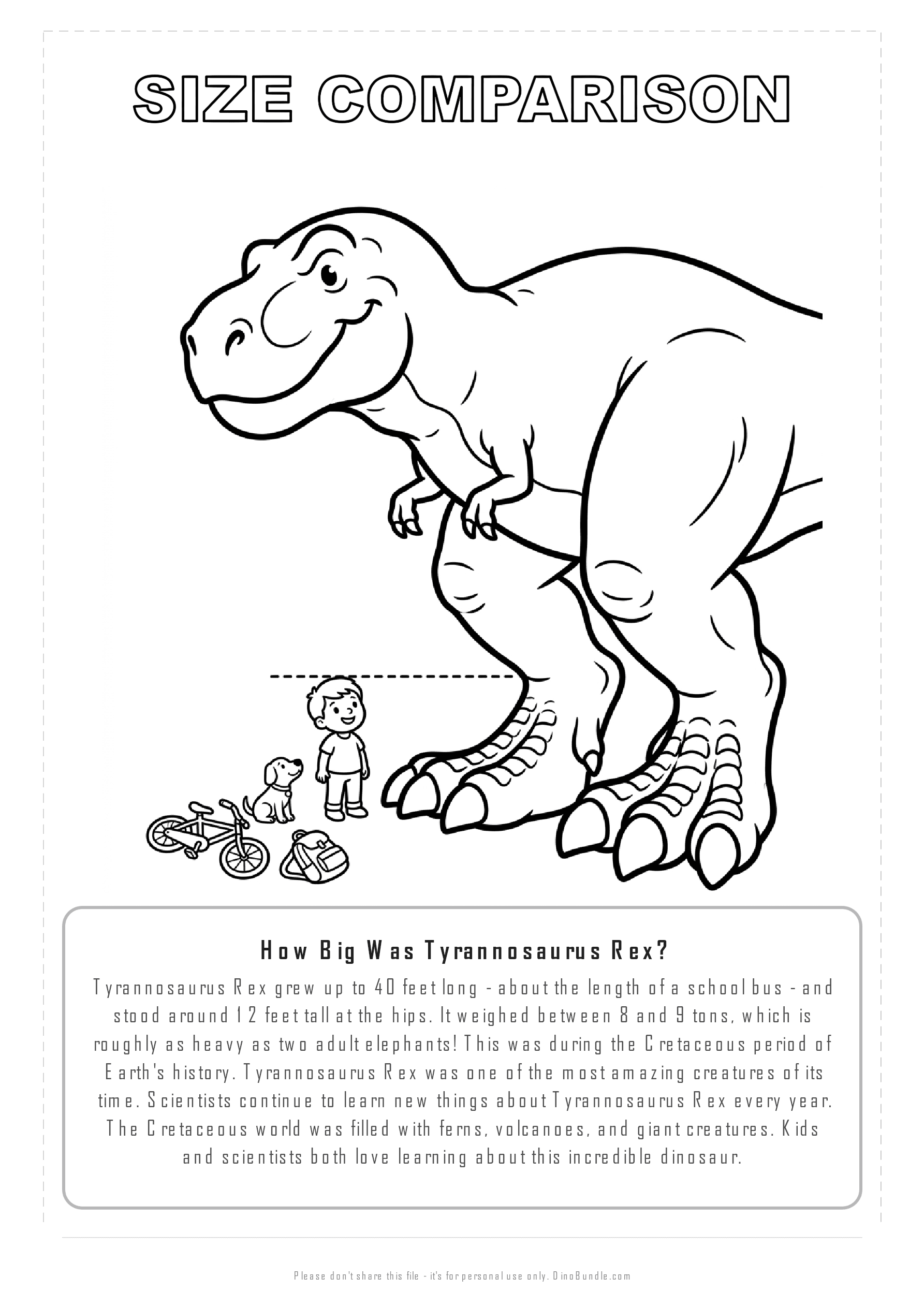
- Fact 3 - How Big It Was: Gastonia grew up to about 5 meters (16 feet) long and weighed around 1.5 to 2 tons. It was roughly the size of a small car, but much of its weight came from its thick bony armor. Despite its size, its short legs meant it stood low to the ground, making it a difficult target for predators.
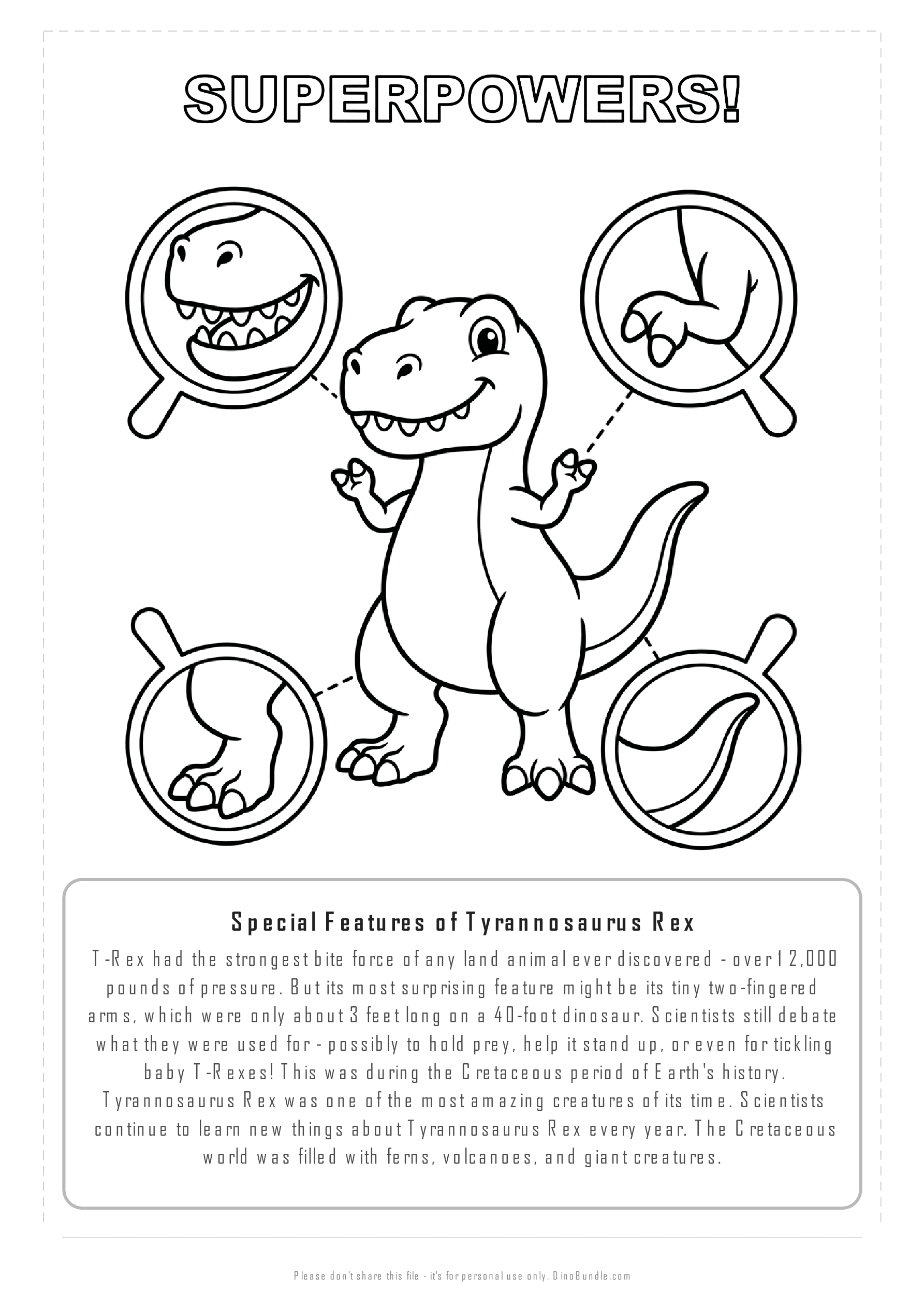
- Fact 4 - Its Superpower: Gastonia's armor was its ultimate superpower. It had massive spikes on its shoulders that pointed outward and slightly forward, rows of sharp spikes along its sides, and a mosaic of small bony plates and nodules covering its entire body like a suit of chainmail. Its head was also armored with bony plates. Unlike its relative Ankylosaurus, Gastonia did not have a tail club - instead, it relied on those intimidating spikes and its incredibly thick body armor to deter even the largest predators.
- Fact 5 - Where It Was Found: Gastonia fossils were discovered in eastern Utah at a site called the Cedar Mountain Formation. The first fossils were found by Robert Gaston, a paleontologist the dinosaur was named after. The area where Gastonia was found has produced some of the most complete ankylosaur fossils ever discovered.
What's Inside This Free Gastonia Printable Pack
This Gastonia printable pack gives your child five exciting activity pages, each designed to teach something new about this incredibly armored dinosaur while providing hours of creative coloring fun:
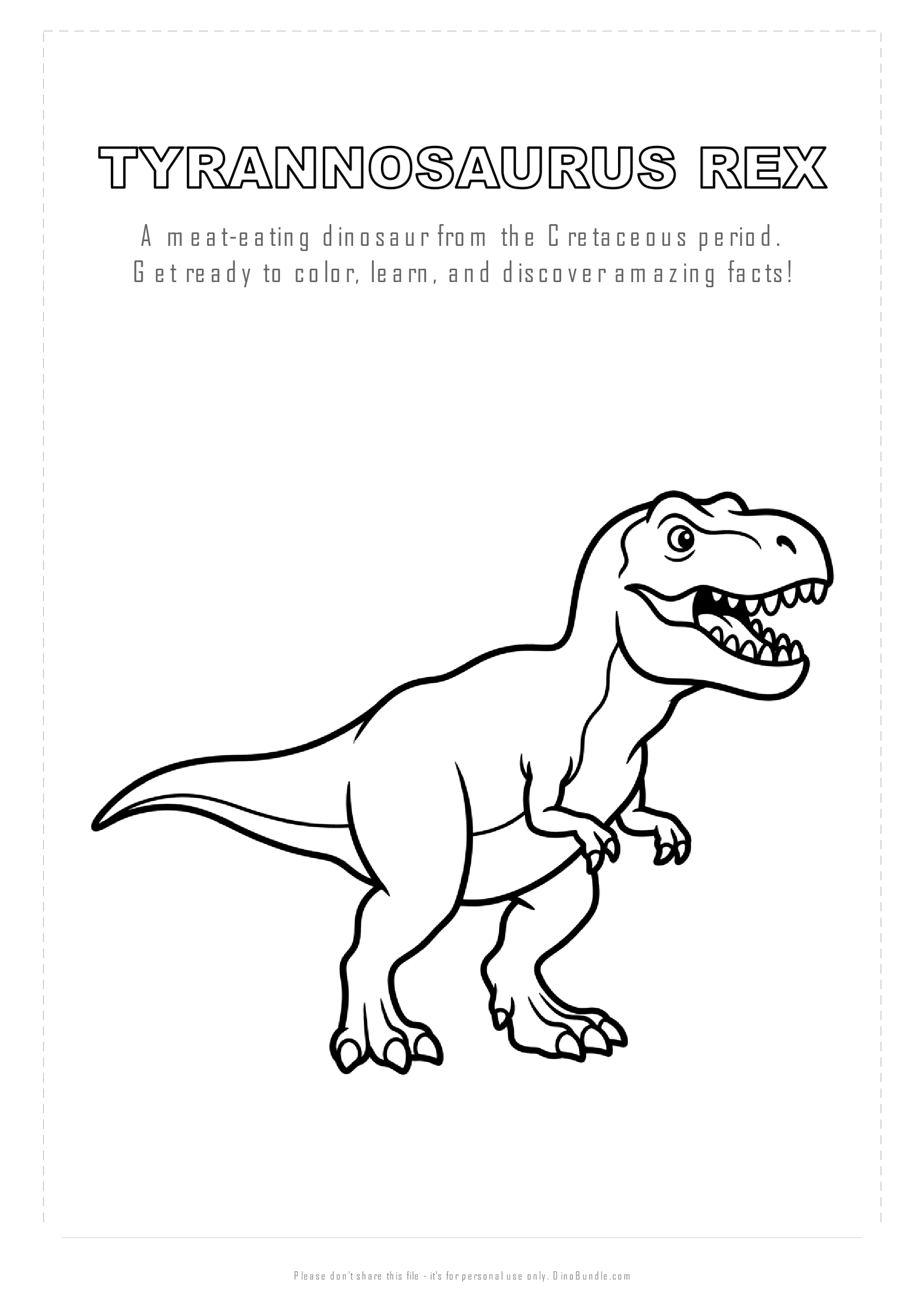
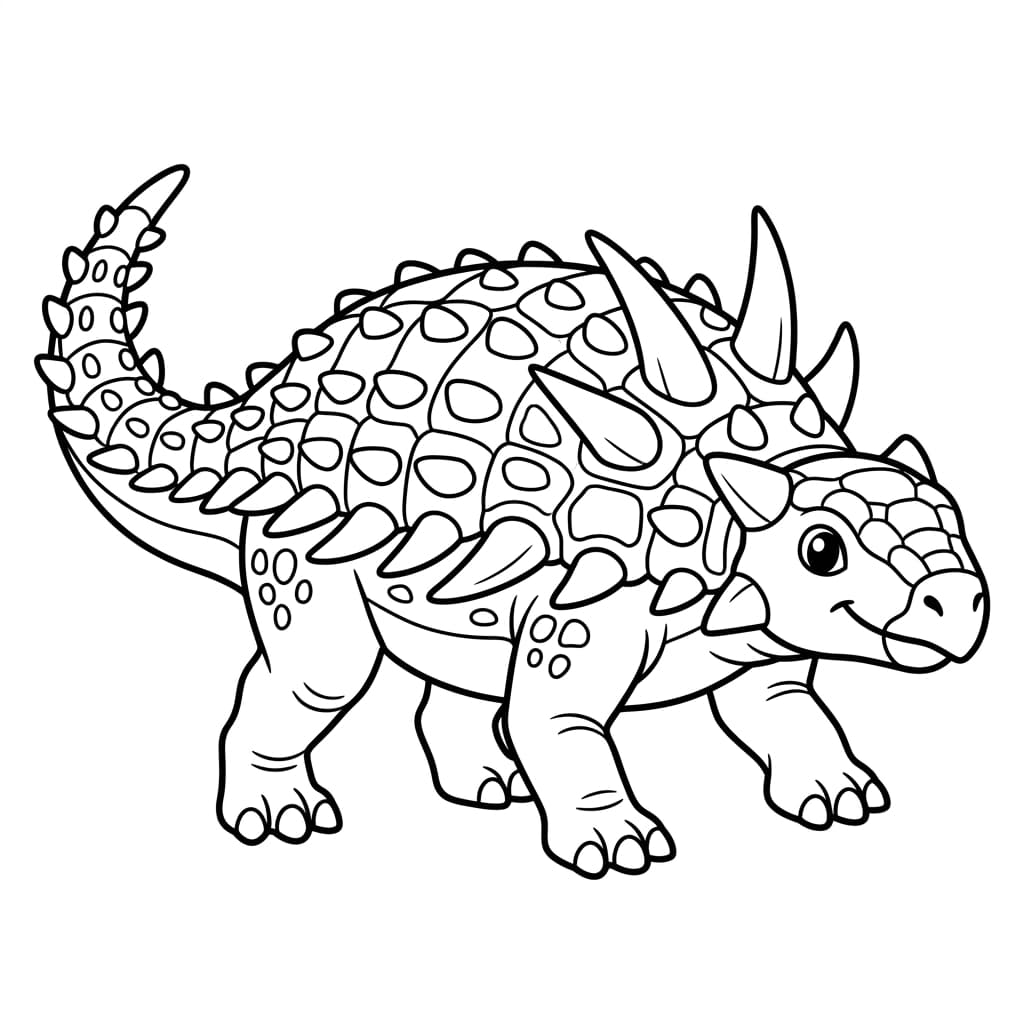
- Page 1 - Meet the Gastonia: A big, beautiful coloring page of Gastonia in all its spiky glory. Your child will love bringing this armored dinosaur to life while learning to recognize its most famous features - the enormous shoulder spikes and mosaic of armor plates covering its body.
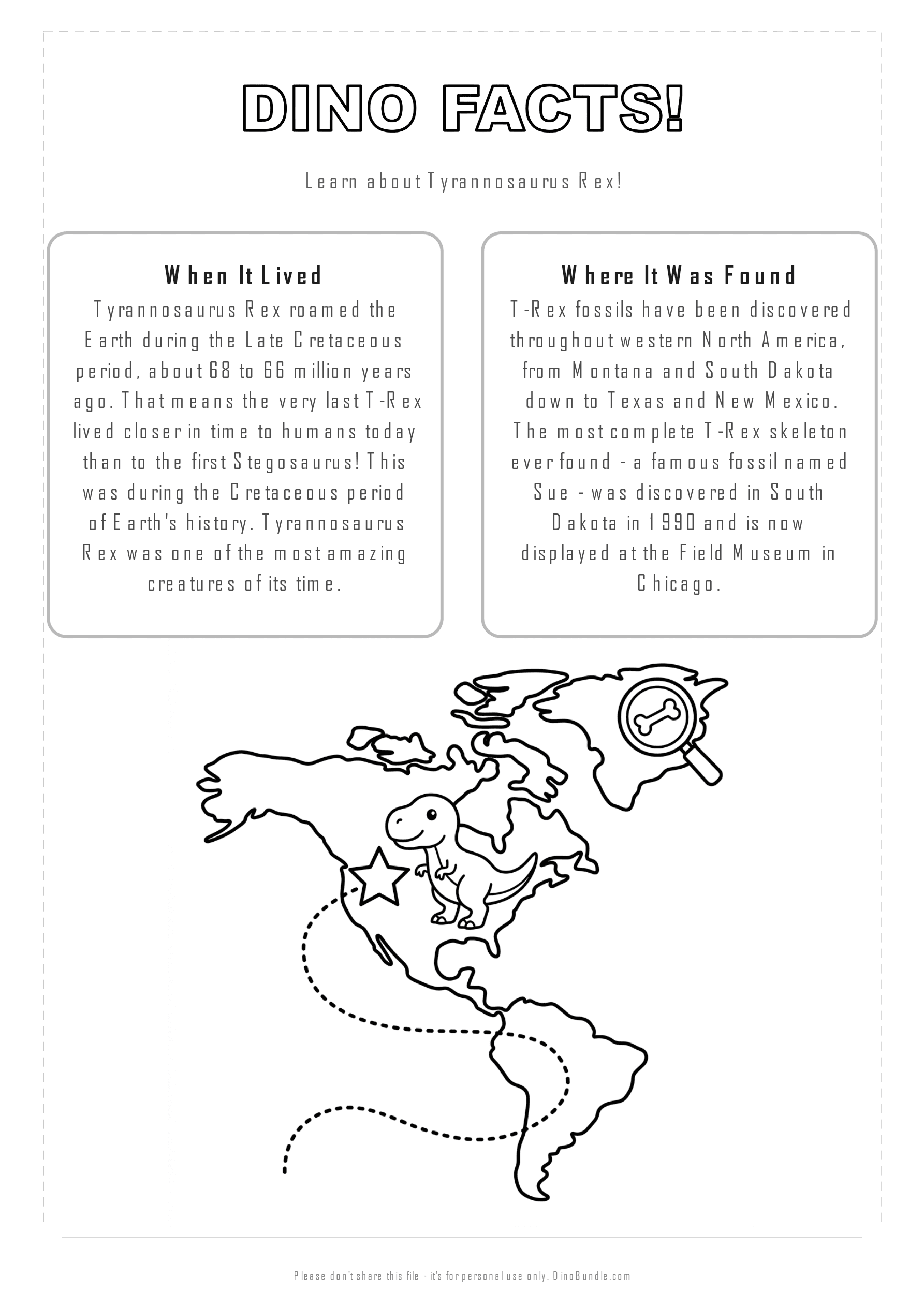
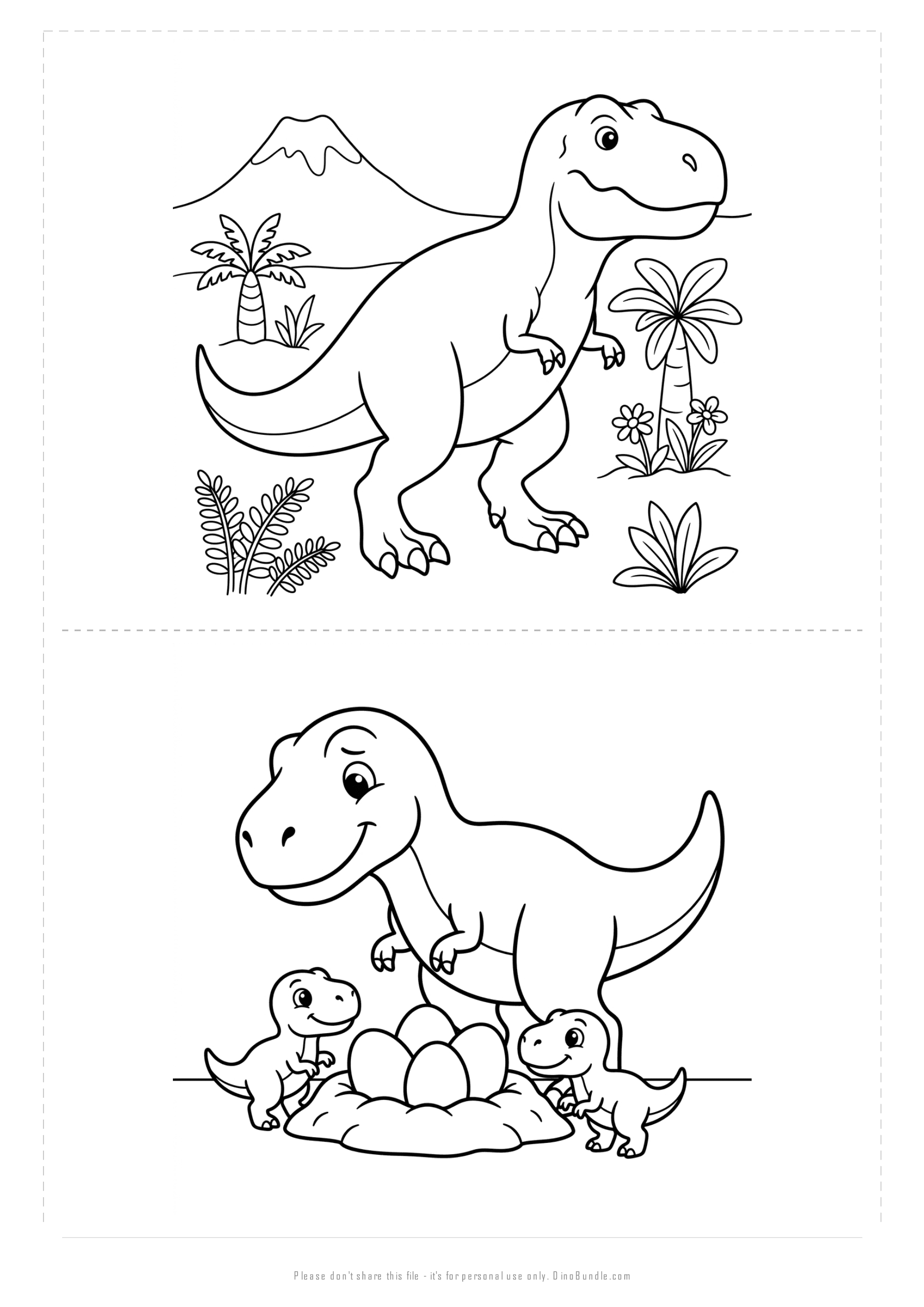
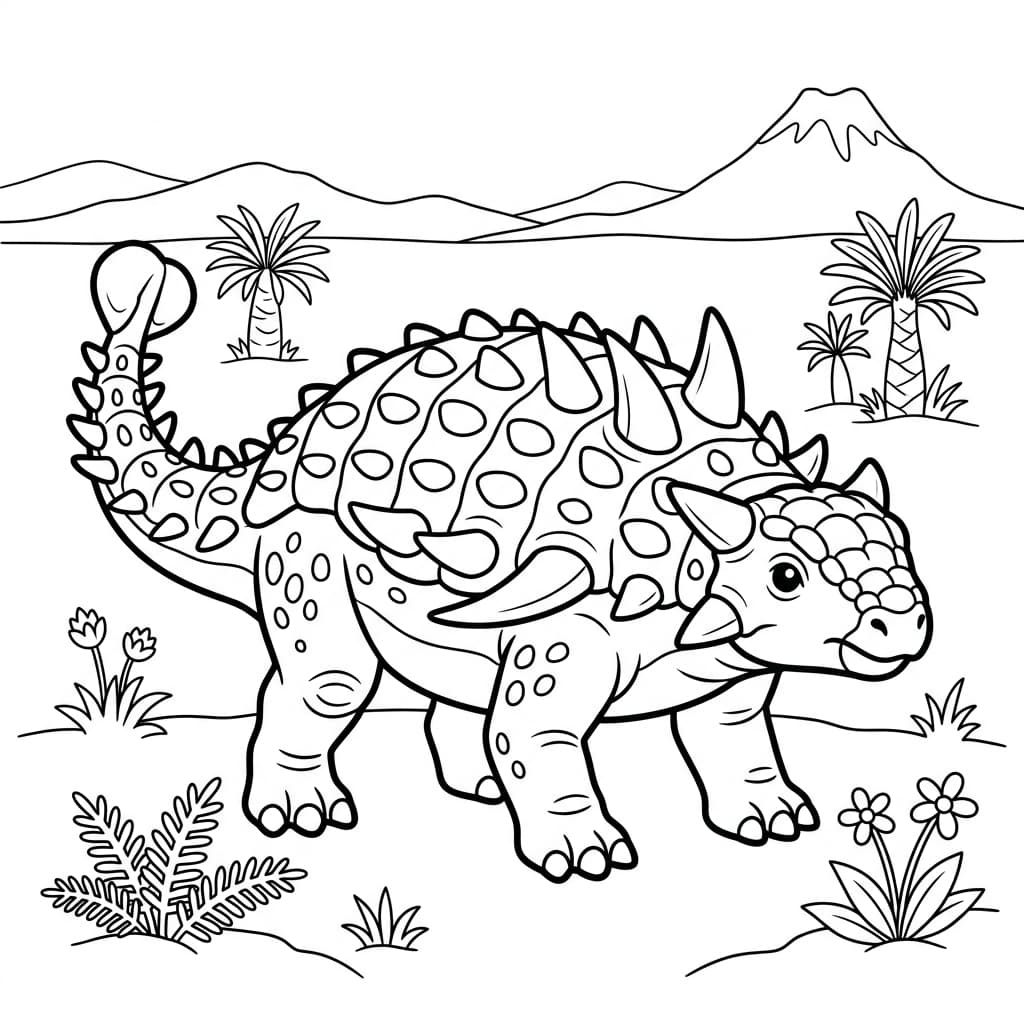
- Page 2 - Gastonia's World: Travel back in time to see where Gastonia lived! This habitat scene shows the prehistoric world of Early Cretaceous Utah, with flowering plants, ferns, and the open floodplain environment this armored dinosaur called home.
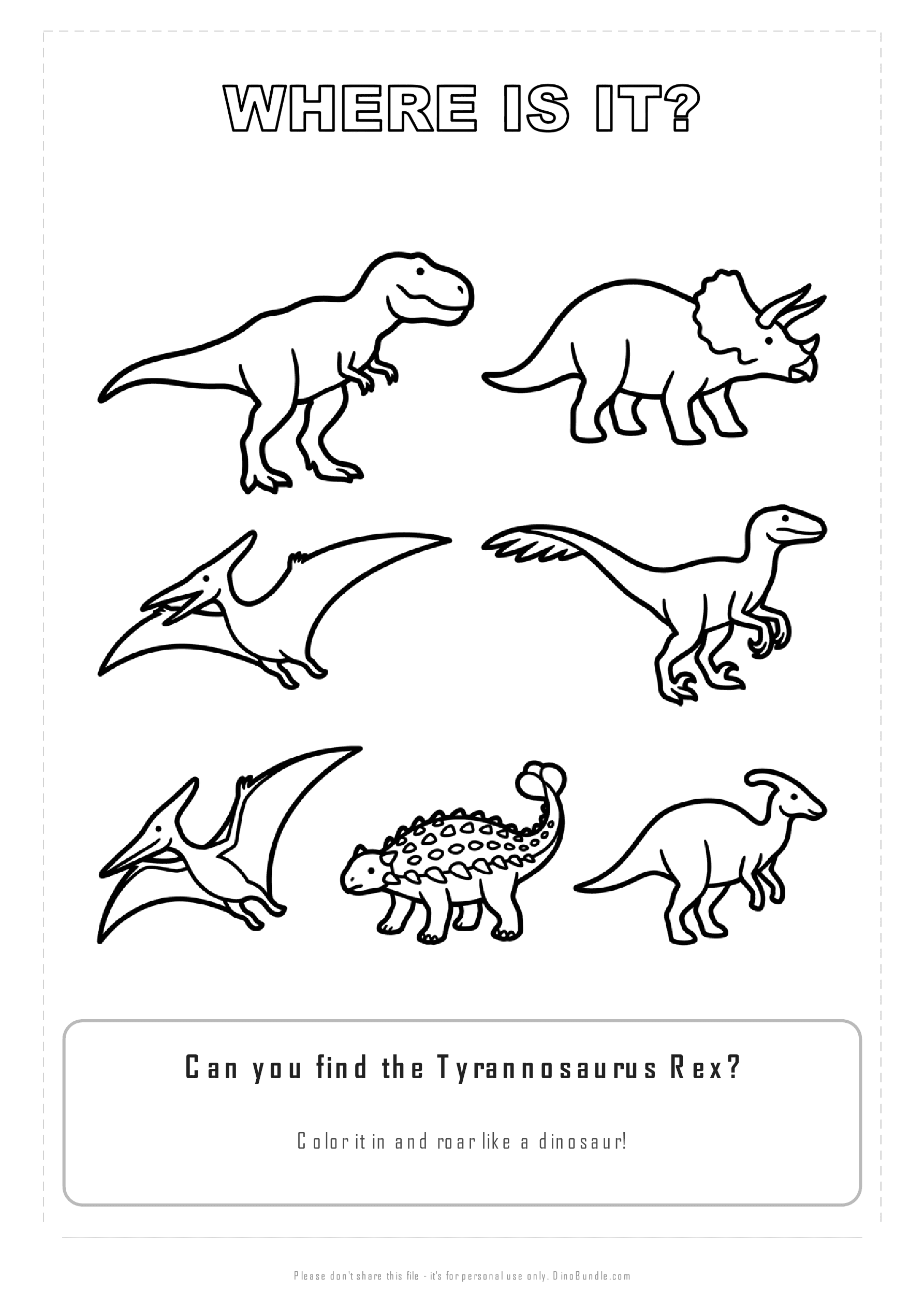
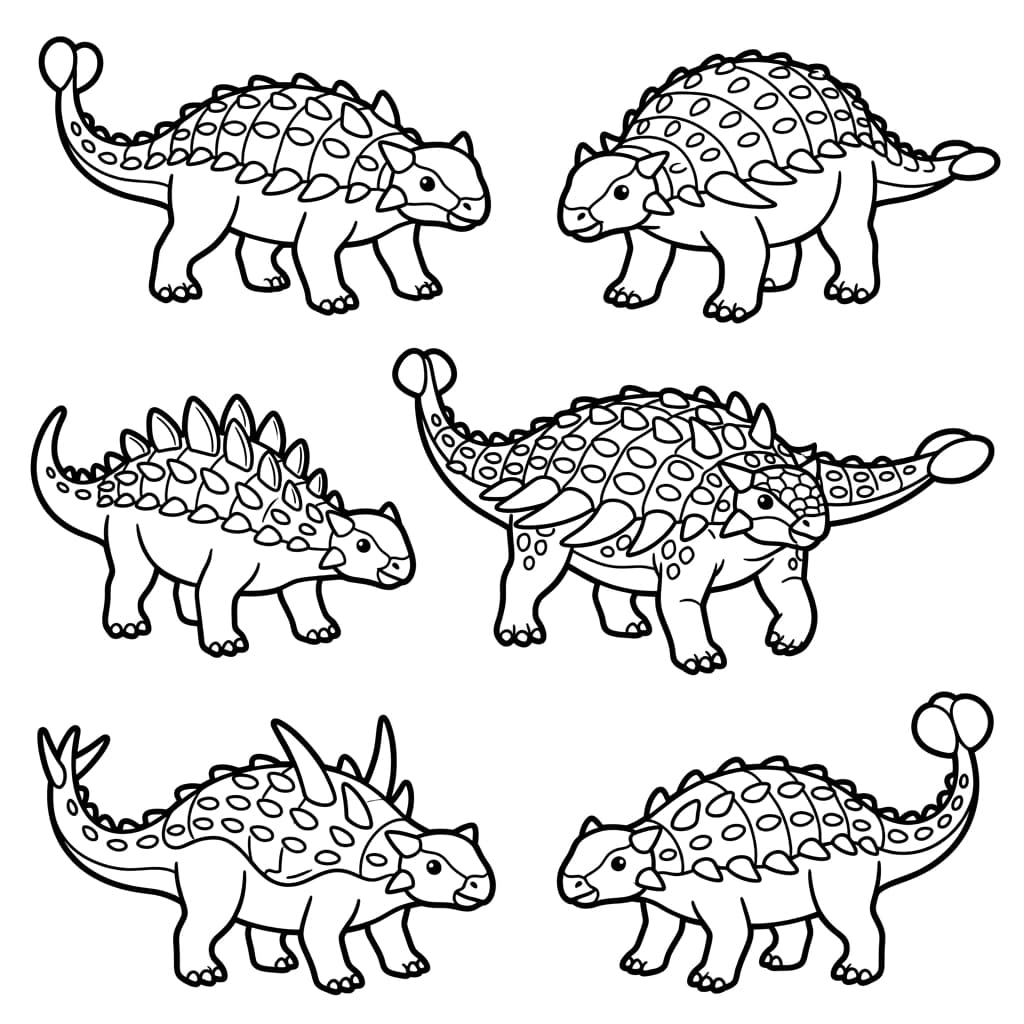
- Page 3 - Find the Gastonia: A fun "spot the dinosaur" challenge! Can your child pick out the Gastonia from a group of armored dinosaur silhouettes? Its extremely wide armored body with huge shoulder spikes is the key to identification.
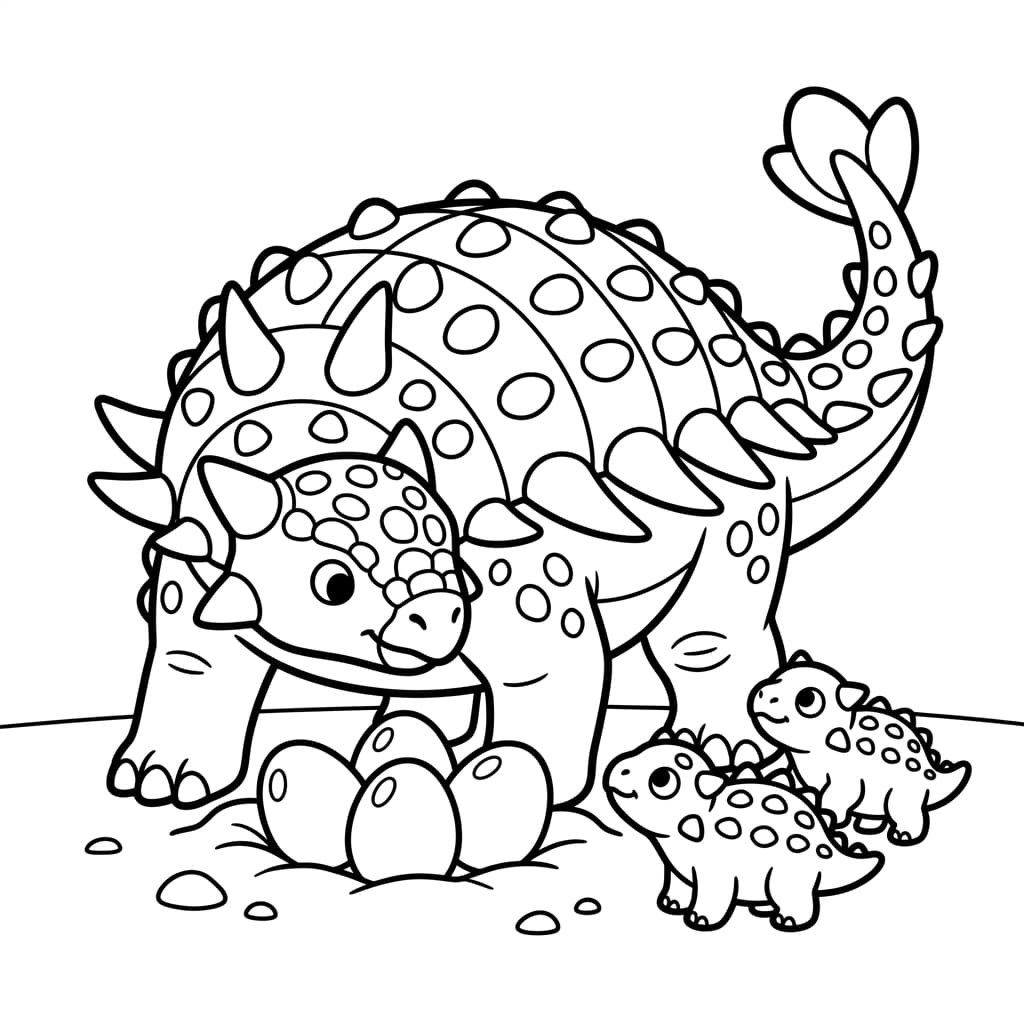
- Page 4 - Dino Family: A heartwarming scene of a Gastonia parent with its eggs and baby hatchlings. Even the most heavily armored dinosaurs had a nurturing side, and this family scene shows the protective nature of Gastonia.
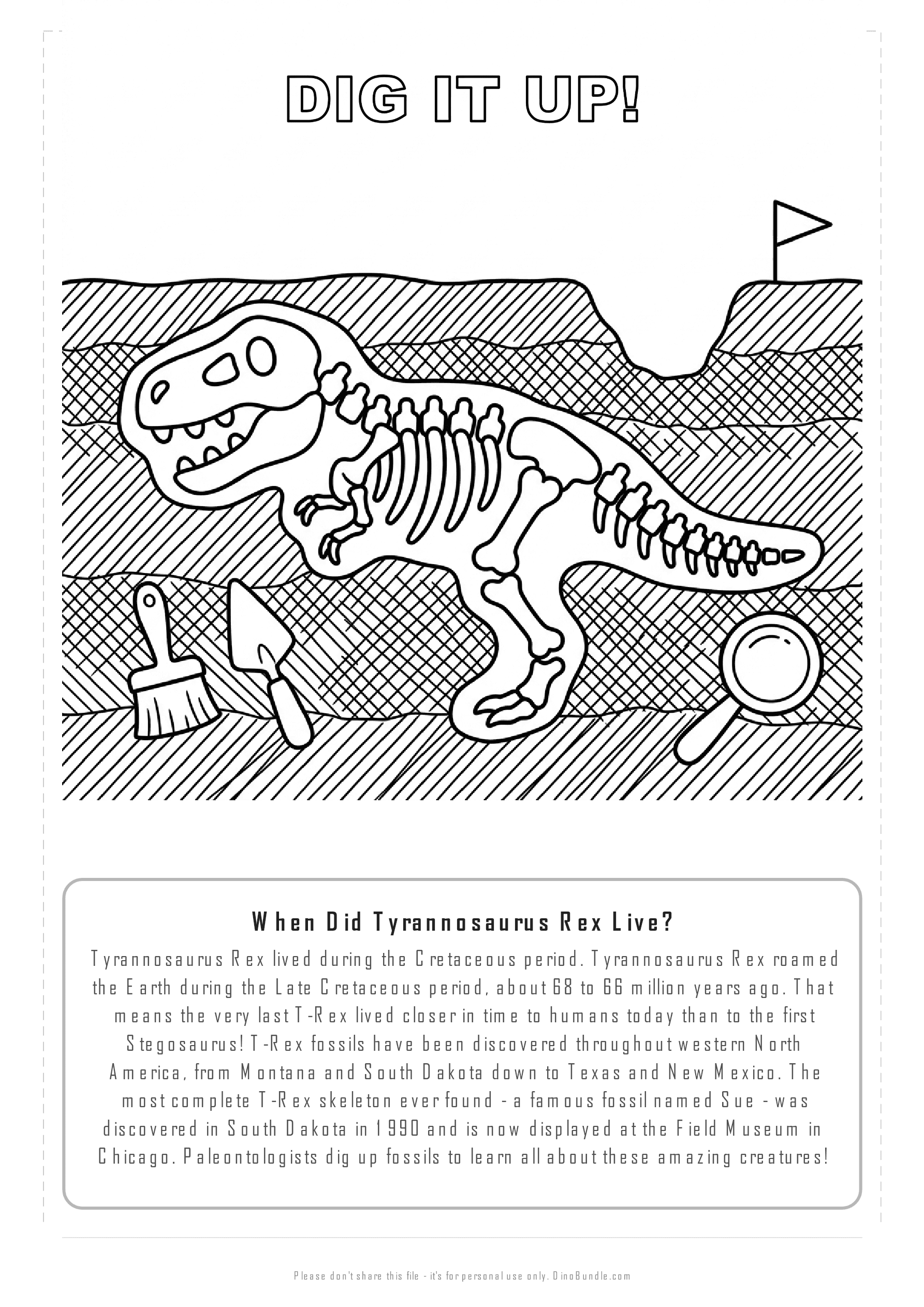
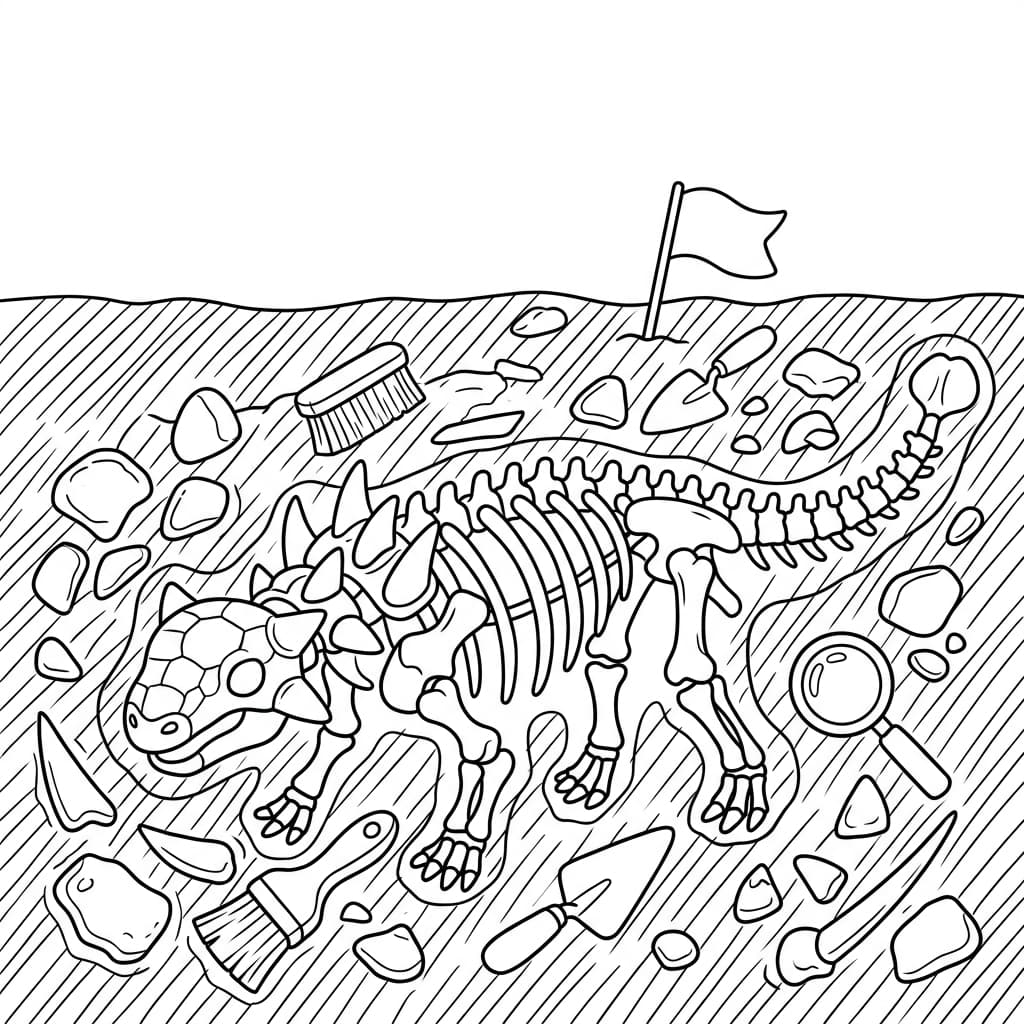
- Page 5 - Dig It Up!: Become a paleontologist! This fossil dig scene shows the Gastonia skeleton being uncovered, with its distinctive armor plates and spikes scattered around the dig site. It introduces kids to the excitement of fossil discovery.
How Dinosaur Coloring Pages Build Real STEM Skills
When your child sits down to color Gastonia's intricate armor, they are building skills that reach far beyond the coloring book. The detailed armor plates, spikes, and body shapes require focus and fine motor control - the same skills that will serve them well in handwriting, drawing, and future academic work. More importantly, Gastonia opens the door to fascinating conversations about adaptation: Why did some dinosaurs evolve armor? What predators did they need protection from? These questions lead naturally from a child's interest in this spiky dinosaur into genuine scientific inquiry.
Gastonia also teaches children about the predator-prey relationship - one of the most fundamental concepts in biology. Gastonia lived alongside Utahraptor, a large and dangerous predator. Its incredible armor was the evolutionary answer to this threat. When children understand why Gastonia needed its spikes, they are grasping the same concepts that ecologists study in modern ecosystems. A child who wonders about Gastonia's armor is thinking like a biologist, asking the "why" questions that drive all scientific discovery.
"Research shows that children who engage with science topics through hands-on creative activities - including coloring, drawing, and imaginative play - develop stronger observation skills and are more likely to pursue STEM interests later in life. Dinosaurs are the perfect hook: they are exciting, they are accessible, and they naturally lead to questions about biology, geology, and Earth's history."
5 Ways to Use This Gastonia Printable at Home
These Gastonia coloring pages are versatile and can be used in many creative ways. Here are five ideas:
- Build a dinosaur armor collection - print Gastonia alongside other armored dinosaurs like Ankylosaurus and Edmontonia to compare their different defensive features. Which has the biggest spikes? Which has a tail club?
- Make a "Dino of the Week" tradition - print one dinosaur pack each week and build a binder of dinosaur knowledge. Gastonia makes a thrilling entry as "the most heavily armored dinosaur ever discovered."
- Create a dinosaur diorama - after coloring, cut out the Gastonia and build a 3D Cretaceous Utah habitat in a shoebox. Add a Utahraptor in the distance to show the predator Gastonia was defending against.
- Use it in the classroom - perfect for dinosaur units, science centers, and quiet-time activities for ages 3-6. The extreme armor makes Gastonia ideal for lessons about animal adaptations and natural defense.
- Talk about modern armored animals - compare Gastonia to modern armored animals like armadillos, turtles, and pangolins. This helps children understand that the same evolutionary solutions appear again and again in nature.
Download Your Free Gastonia Facts and Coloring Pages
Your free Gastonia coloring pages and facts for kids are ready to download and print. Just enter your email address and you will get instant access to all five printable pages - no spam, no strings attached. This page is part of the Ultimate Dino Bundle - 100+ dinosaurs with coloring pages, facts, and activities for one small price. But this Gastonia pack is completely free, because every child deserves to discover the joy of dinosaurs. Your little paleontologist is going to love coloring this spiky armored giant and learning all about one of the most heavily defended dinosaurs that ever walked the Earth!