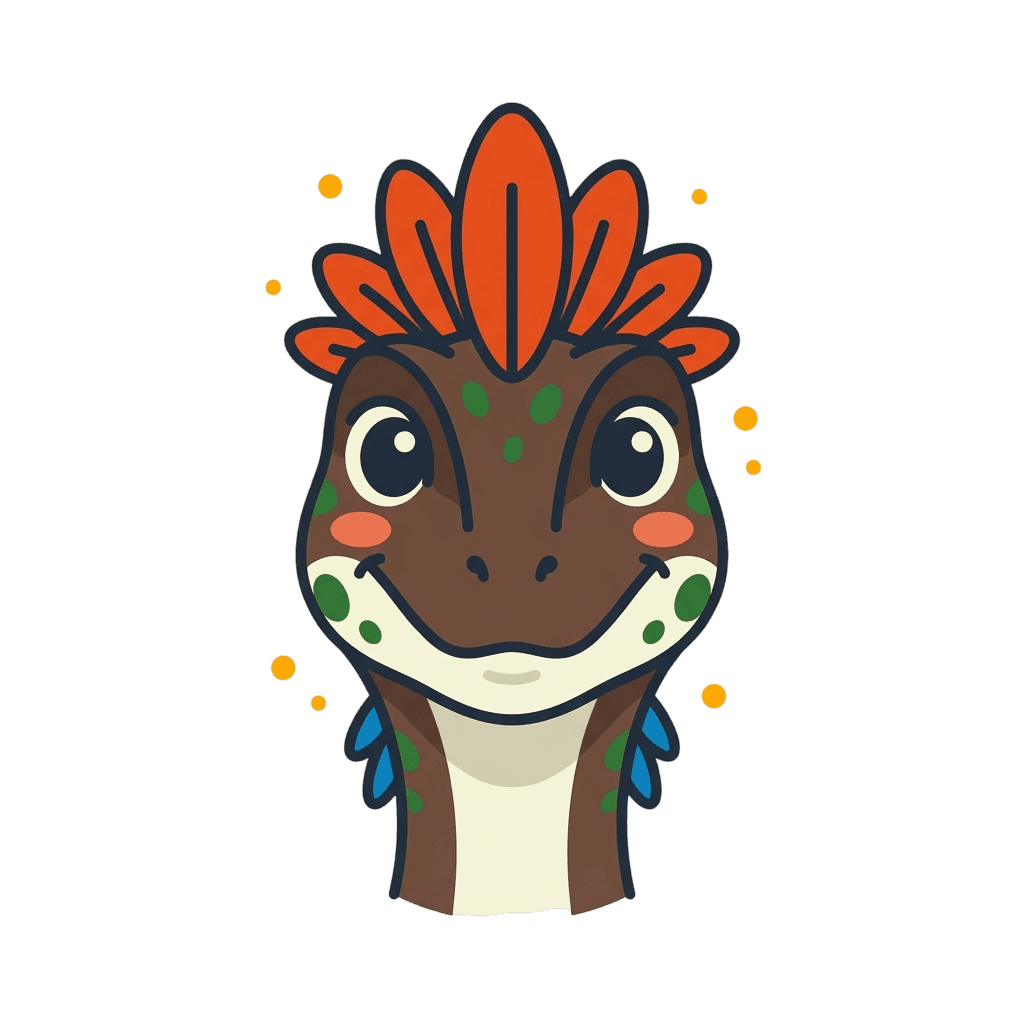
Free Hypsilophodon Facts & Coloring Pages for Kids
Why Kids Love Learning About Hypsilophodon
If you're looking for hypsilophodon facts and coloring pages for kids, you've found the speed demon of the Cretaceous! Hypsilophodon was a small, fast-running dinosaur with long legs and a stiff tail for balance - like a prehistoric gazelle crossed with a lizard. Its name means "high-crested tooth," and despite being only about the size of a large dog, it was built for pure speed. For a young child, Hypsilophodon is immediately relatable: it's the underdog dinosaur, small but fast, surviving in a world full of giants by being quicker and smarter than the predators chasing it.
Dinosaurs are the gateway to science. Hypsilophodon teaches kids that not all dinosaurs were giants - the prehistoric world was full of small, fast, clever animals that lived in the shadows of the enormous sauropods and predators.
Amazing Hypsilophodon Facts Every Kid Should Know
This speedy little plant-eater is proof that dinosaurs came in every size. Here are five facts.
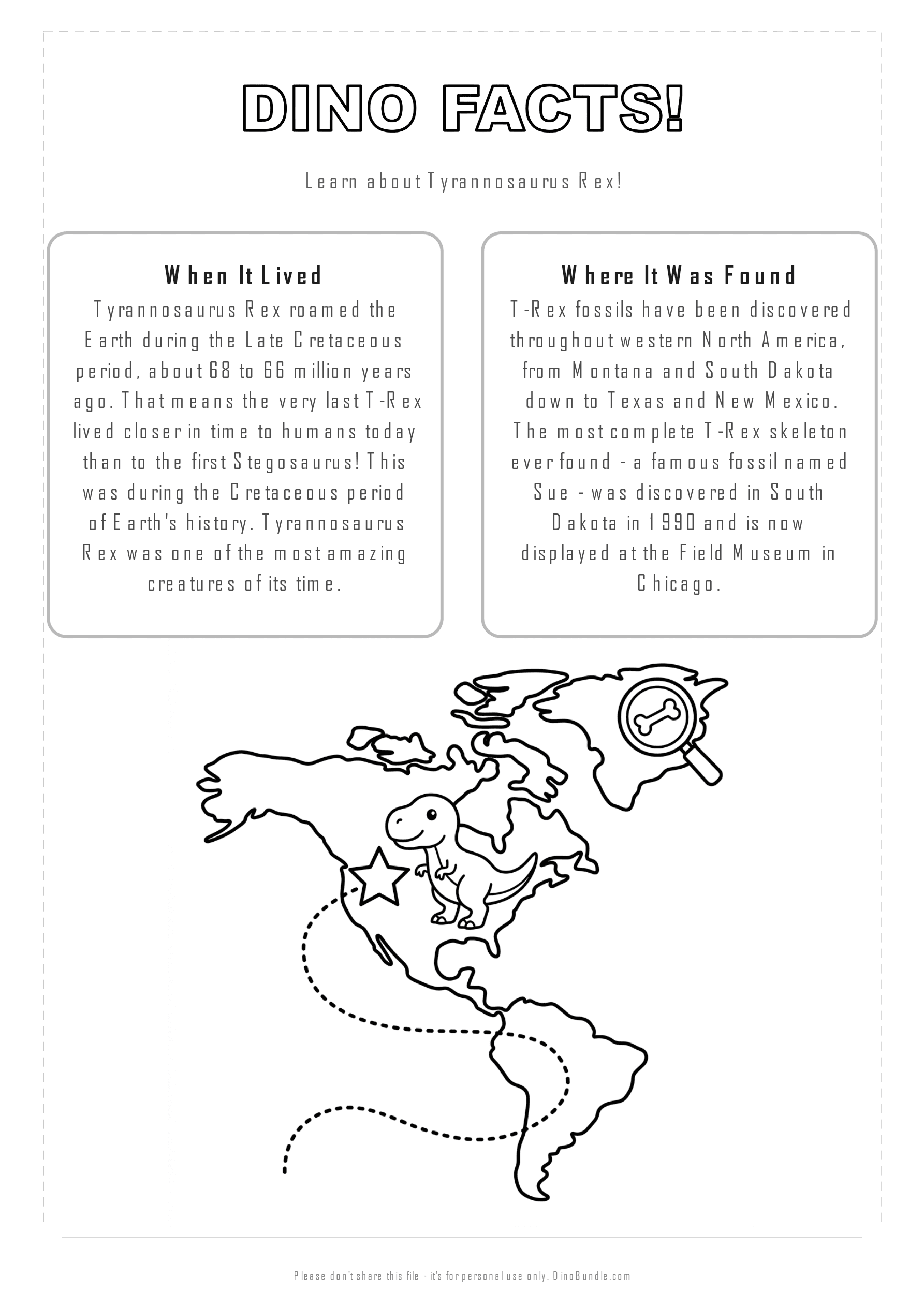
- Fact 1 - When It Lived: Hypsilophodon lived during the Early Cretaceous period, about 130 to 125 million years ago. It roamed the lush forests and river deltas of what is now southern England and the Isle of Wight - a warm, green landscape teeming with life.
- Fact 2 - What It Ate: Hypsilophodon was a herbivore that ate low-growing plants like ferns, horsetails, and cycads. Its mouth had a beak at the front for snipping and cheek pouches for holding food while it chewed - similar to a modern hamster or squirrel. Those cheek pouches were a clever adaptation that helped it process food on the run.
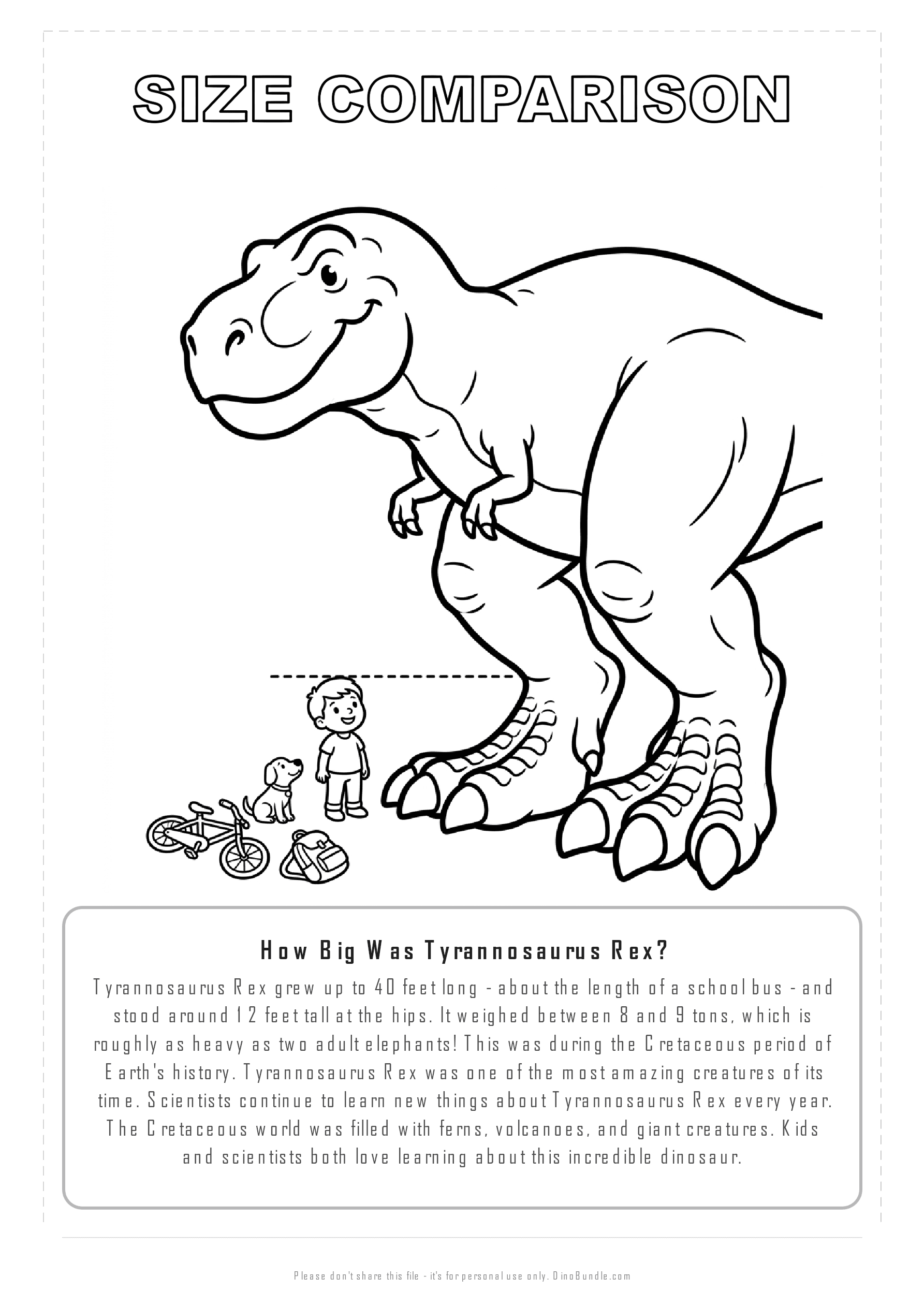
- Fact 3 - How Big It Was: Hypsilophodon was surprisingly small - only about 6 feet long, 2 feet tall at the hips, and weighing around 50 to 70 pounds. That's about the size of a medium-sized dog! Its long legs, lightweight body, and stiffened tail made it one of the fastest runners in the dinosaur world.
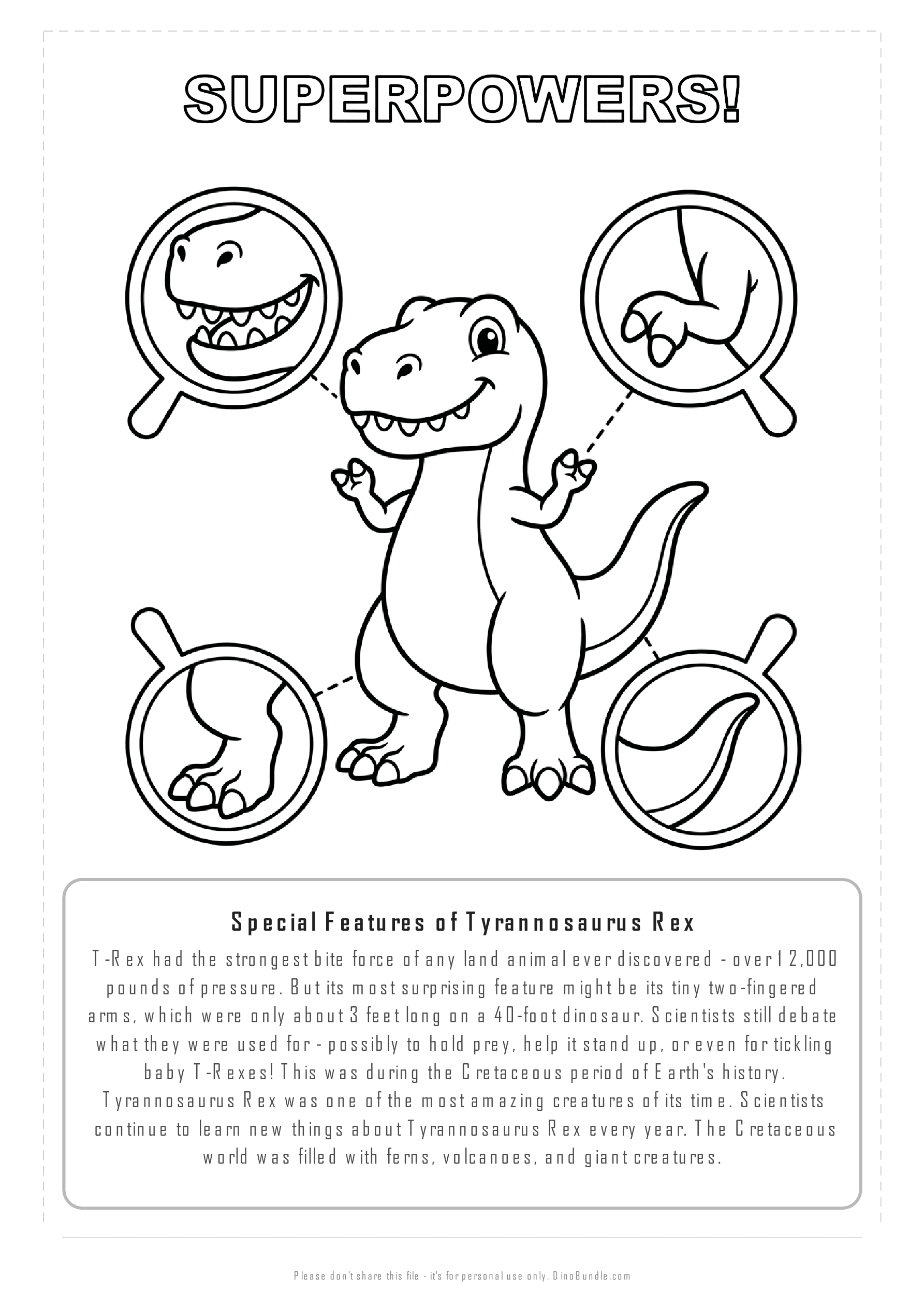
- Fact 4 - Its Superpower: Speed was Hypsilophodon's superpower. Its long hind legs, light build, and balancing tail meant it could run extremely fast - scientists estimate it could sprint at over 30 miles per hour. That's faster than any human can run! It had five fingers on its hands, which it may have used to grip branches while browsing.
- Fact 5 - Where It Was Found: Hypsilophodon was discovered in 1849 on the Isle of Wight, England. Early scientists mistakenly thought it lived in trees like a tree kangaroo because of its gripping hands, but later discoveries proved it was a ground-dwelling runner. Multiple skeletons have been found together, suggesting Hypsilophodon lived in small herds for safety.
What's Inside This Free Hypsilophodon Printable Pack
This five-page activity pack makes learning about Hypsilophodon hands-on and full of speedy fun.
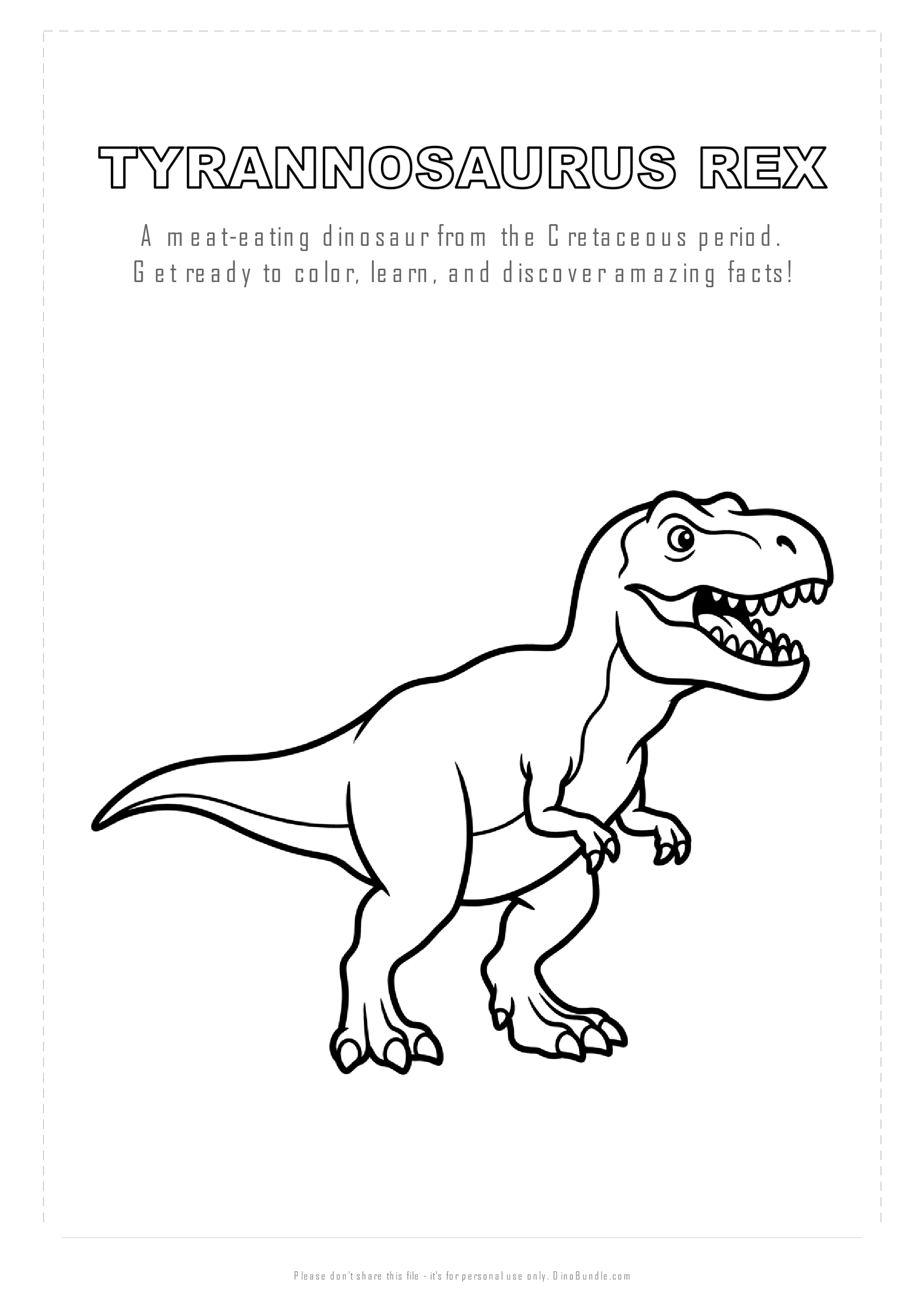
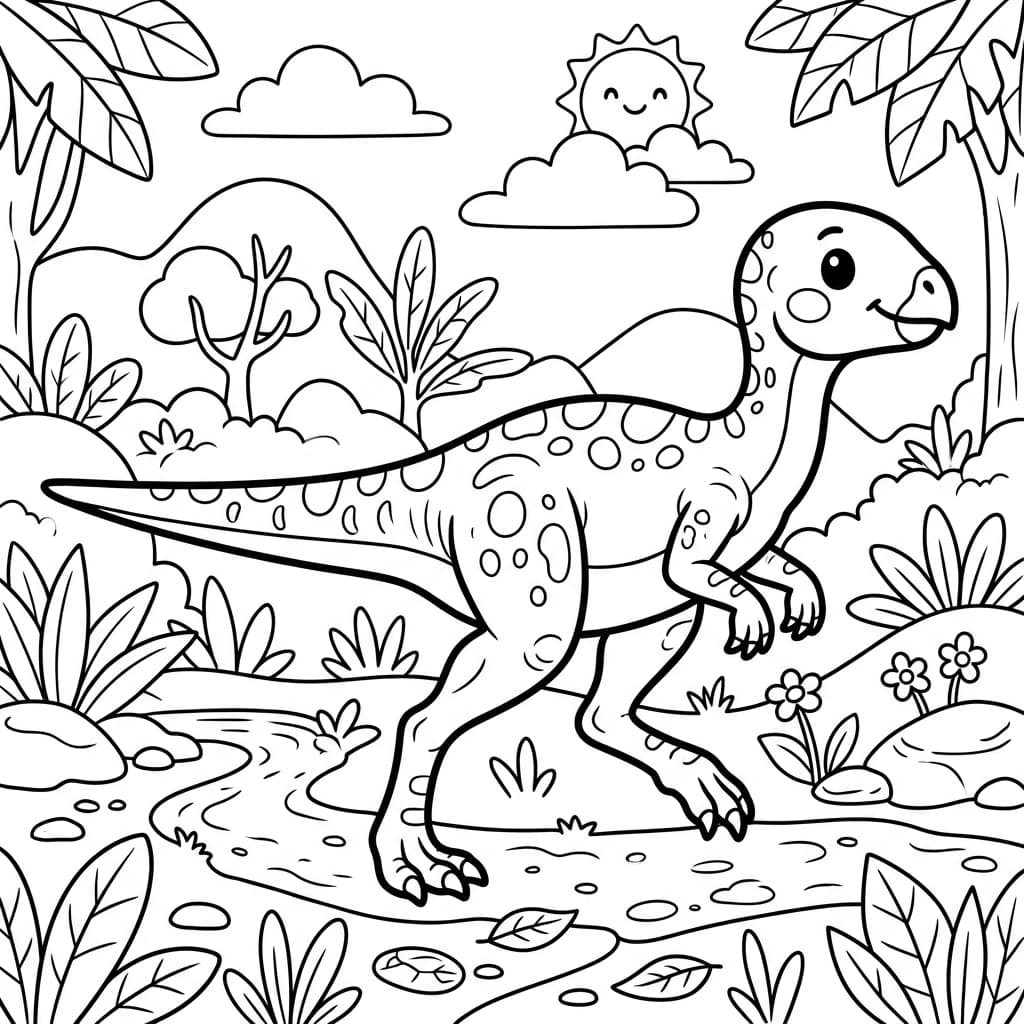
- Page 1 - Meet the Hypsilophodon: A big, beautiful coloring page of this fast little plant-eater. Your child will love coloring the "dinosaur gazelle" with its slender legs and balancing tail.
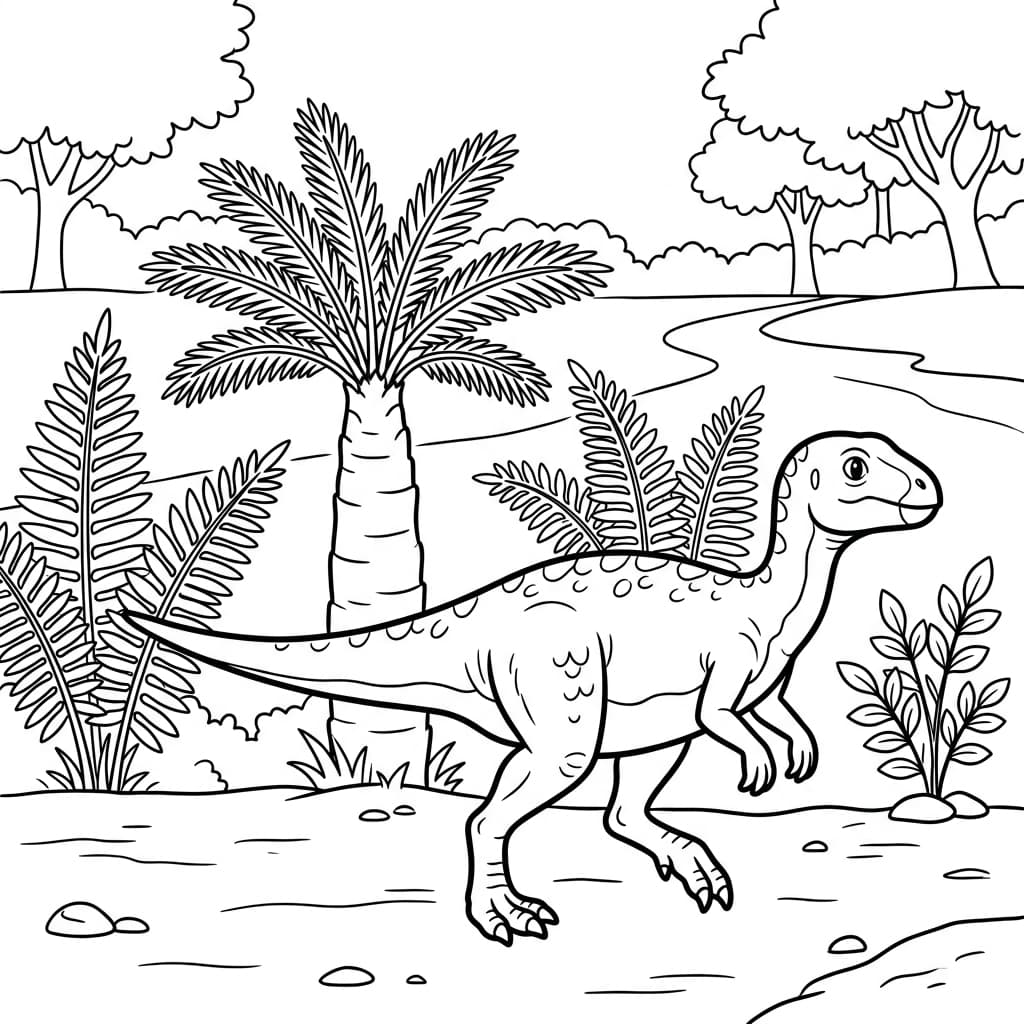
- Page 2 - Hypsilophodon's World: Travel back to Early Cretaceous England! This habitat scene shows a small herd of Hypsilophodon racing through fern-filled forests.
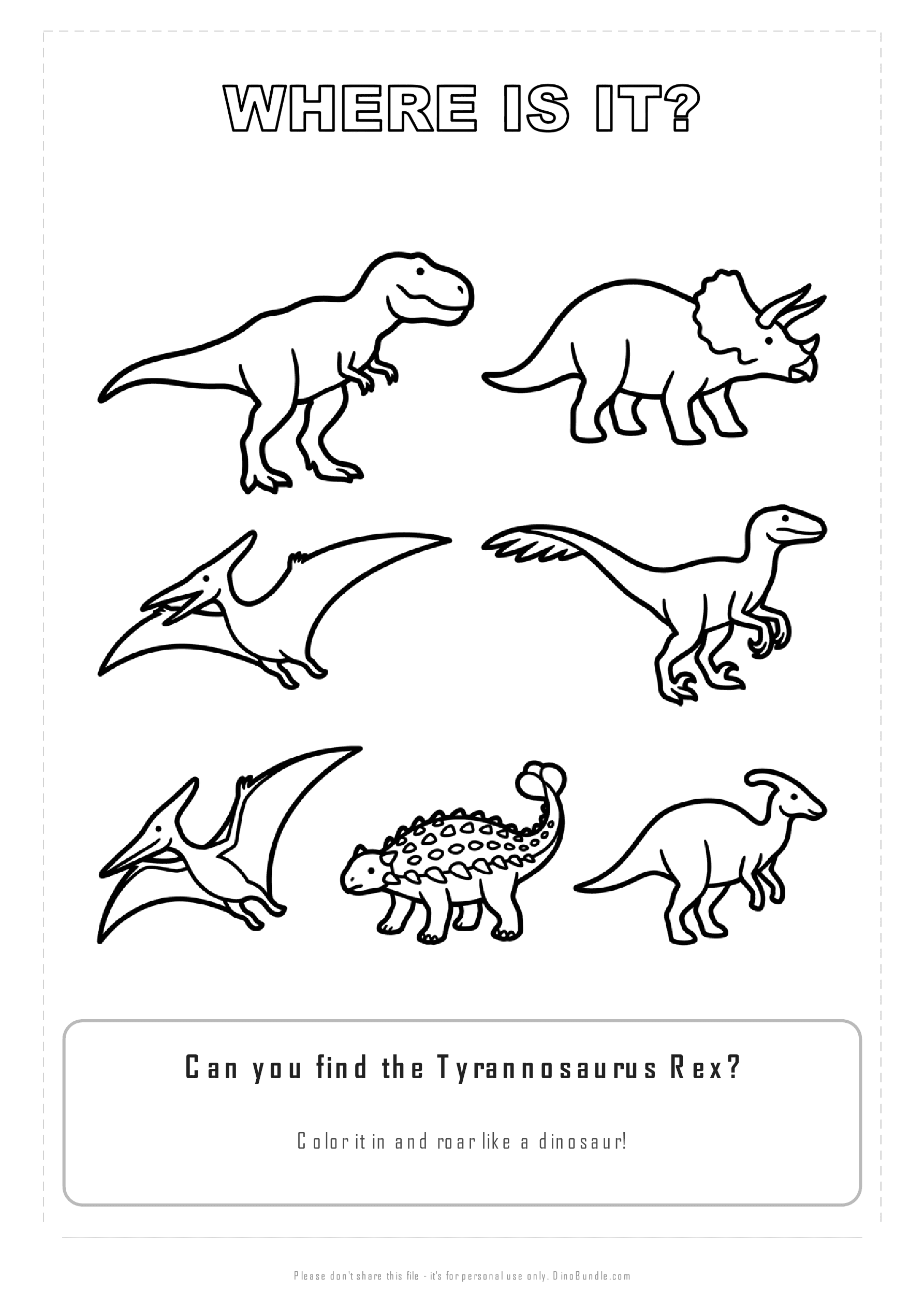
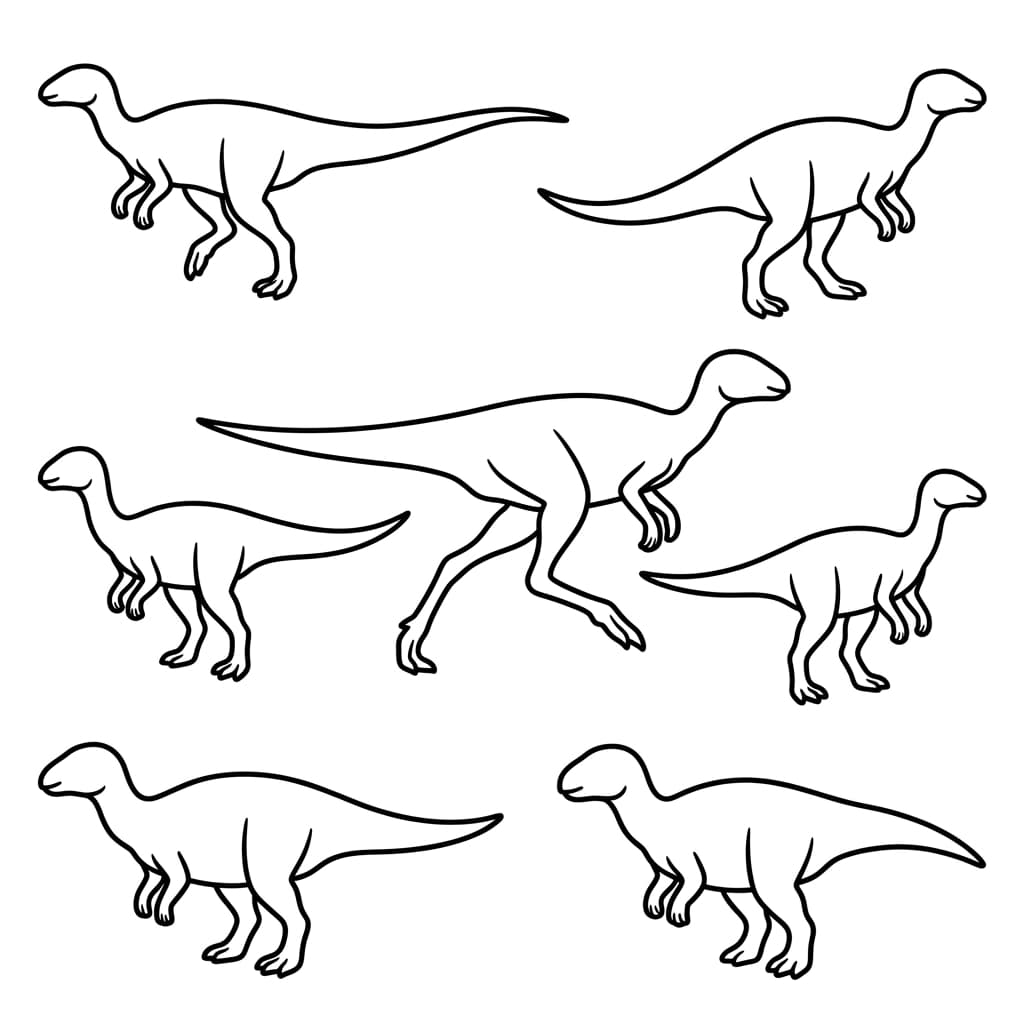
- Page 3 - Find the Hypsilophodon: A fun silhouette challenge among small ornithopods! Can your child spot the fastest small dinosaur among its running relatives?
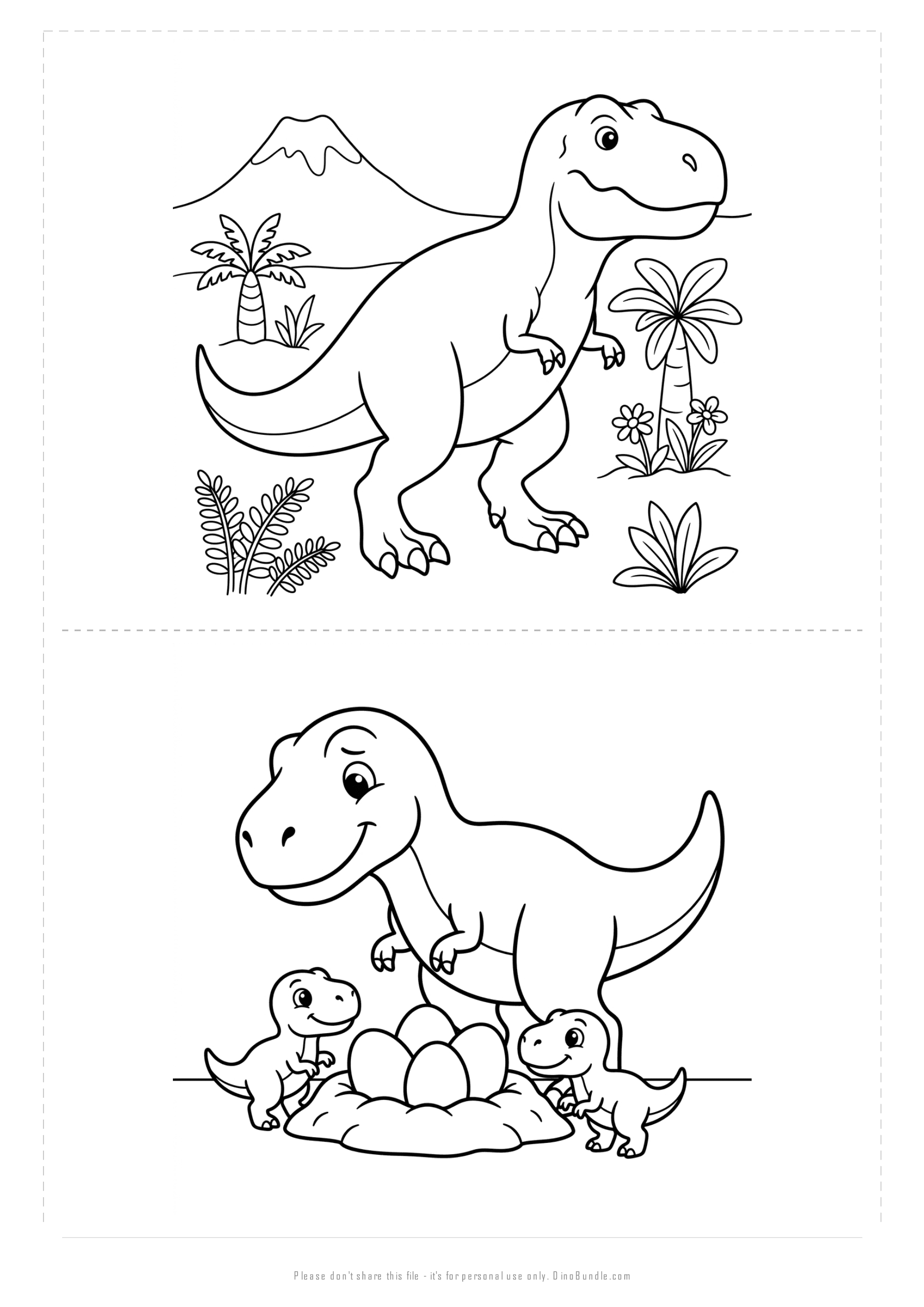
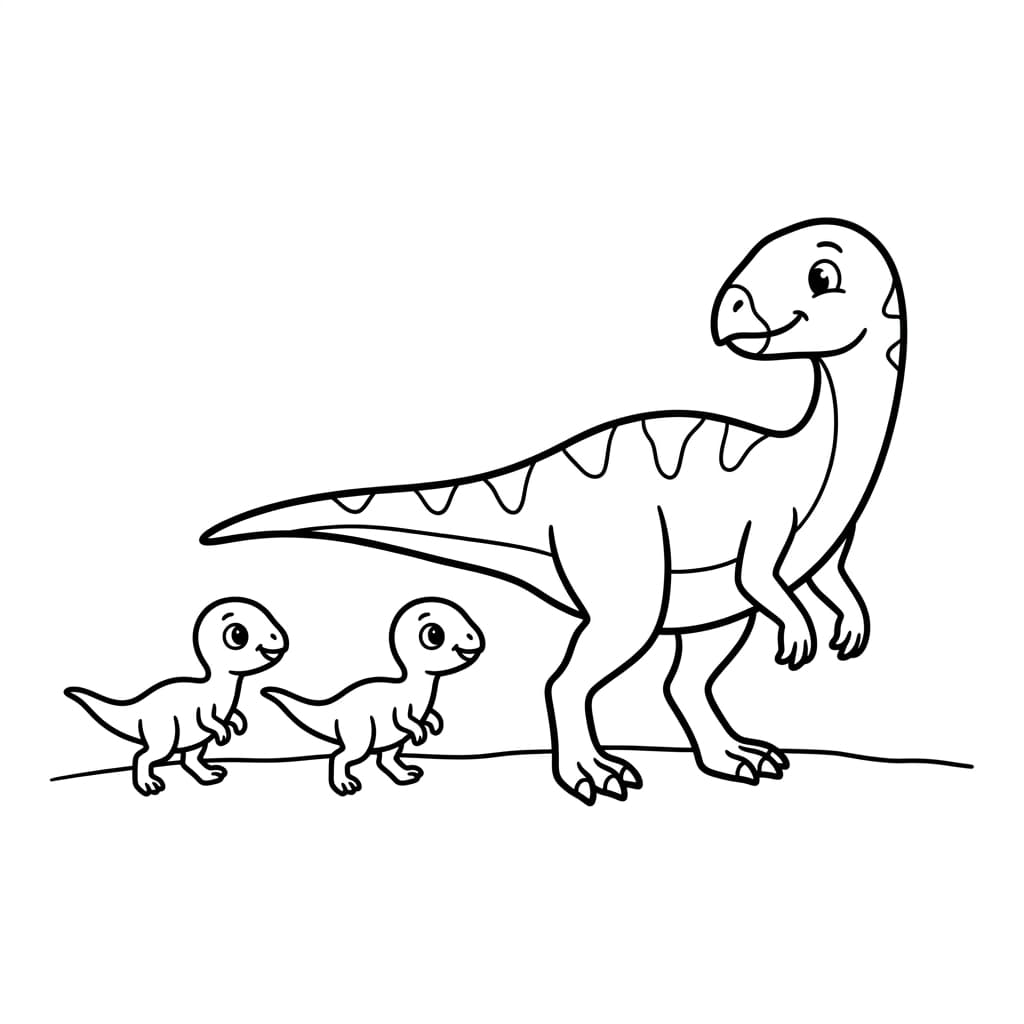
- Page 4 - Dino Family: A heartwarming scene of a Hypsilophodon parent with two tiny, speedy babies. Small dinosaurs had families too!
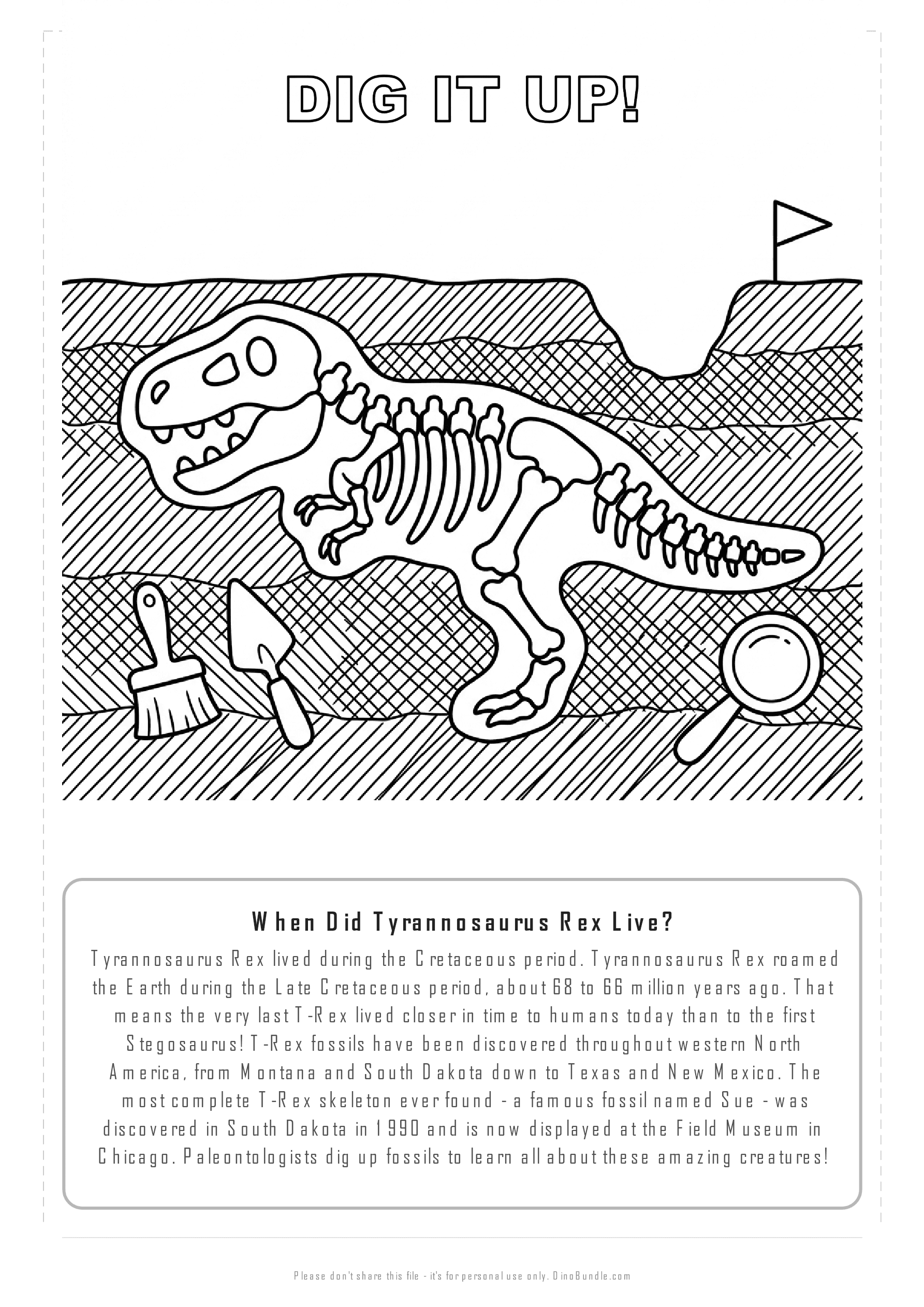
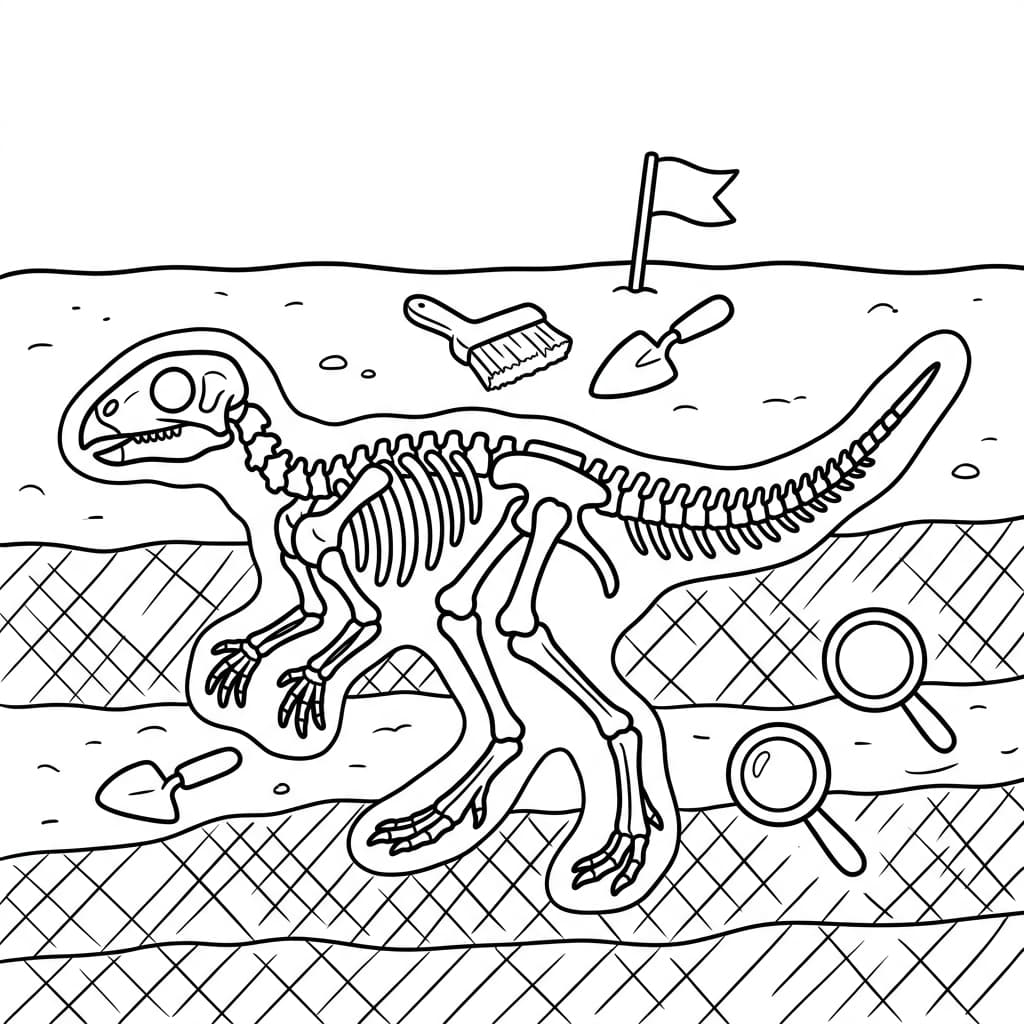
- Page 5 - Dig It Up!: Become a paleontologist! This fossil dig shows a Hypsilophodon skeleton being uncovered on the Isle of Wight - one of the richest dinosaur fossil sites in Europe.
How Dinosaur Coloring Pages Build Real STEM Skills
Coloring builds observation, vocabulary ("ornithopod," "Early Cretaceous," "herbivore"), and fine motor skills. Hypsilophodon teaches kids that survival in the dinosaur world wasn't always about being the biggest - sometimes it was about being the fastest. It introduces concepts like predator-prey relationships, adaptation, and the idea that every ecosystem has small, fast animals alongside the giants. It also shows that some of the best dinosaur discoveries come from England, not just North America.
"Research shows that children who engage with science topics through hands-on creative activities - including coloring, drawing, and imaginative play - develop stronger observation skills and are more likely to pursue STEM interests later in life."
5 Ways to Use This Hypsilophodon Printable at Home
- Pair it with a dino documentary - watch a kid-friendly show about small dinosaurs, then color Hypsilophodon and talk about how being fast can be better than being big.
- Make a "Dino of the Week" tradition - Hypsilophodon is the speed champion! Compare its size to a dog or cat so kids understand how small some dinosaurs really were.
- Create a dinosaur diorama - after coloring, build an Early Cretaceous English forest in a shoebox with a herd of paper Hypsilophodon running from a predator.
- Use it in the classroom - perfect for lessons on animal adaptations, predator-prey dynamics, and quiet-time activities for ages 3-6.
- Take it to a museum - bring the colored pages and look for small ornithopod fossils. Many British museums display Hypsilophodon skeletons from the Isle of Wight.
Download Your Free Hypsilophodon Facts and Coloring Pages
Ready to meet the fastest little plant-eater? These hypsilophodon facts and coloring pages for kids are completely free - enter your email for the full 5-page PDF. No spam, just printable dinosaur fun delivered to your inbox. Want all 100+ dinosaurs? The Ultimate Dino Bundle has every pack - coloring pages, facts, and activities for one small price. Your little paleontologist is going to love the speedy dinosaur that proves you don't have to be big to be amazing!