Free Nasutoceratops Facts & Coloring Pages for Kids
Why Kids Love Learning About Nasutoceratops
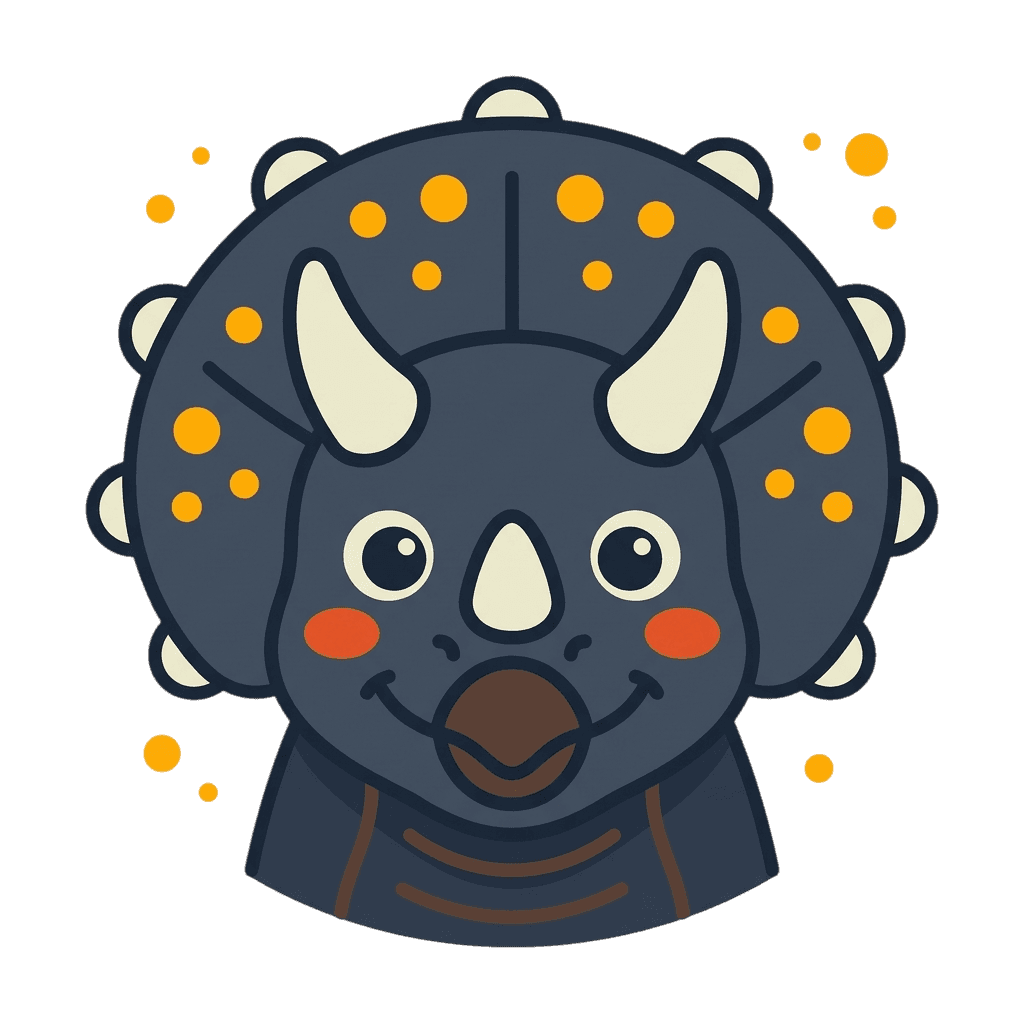
If you're looking for nasutoceratops facts and coloring pages for kids, you've found the dinosaur with bull horns! Nasutoceratops was a horned dinosaur from Late Cretaceous Utah with one of the most distinctive head arrangements in the dinosaur world. Its name means "big-nose horned face," and it earned that name: it had an enormous nasal cavity and a pair of horns that curved forward like a Texas longhorn bull - completely unlike the straight horns of its famous cousin Triceratops. For a young child who loves horned dinosaurs, Nasutoceratops is the exciting "different one" - the ceratopsian that looks like a dinosaur crossed with a bull.
Dinosaurs are the gateway to science. Nasutoceratops teaches kids about diversity within dinosaur families. Not all horned dinosaurs looked the same - each species had its own unique horn arrangement, frill shape, and head ornaments, just like different dog breeds have different ears and snouts today.
Amazing Nasutoceratops Facts Every Kid Should Know
This bull-horned dinosaur from Utah was one of the most unique ceratopsians ever discovered. Here are five facts.
- Fact 1 - When It Lived: Nasutoceratops lived during the Late Cretaceous period, about 76 to 75 million years ago. It roamed the lush subtropical floodplains of what is now southern Utah, in the Grand Staircase-Escalante National Monument area - a warm, green landscape crisscrossed by rivers.
- Fact 2 - What It Ate: Nasutoceratops was a herbivore that browsed on low-growing plants like ferns, cycads, and flowering shrubs. It used its sharp beaked mouth to snip tough vegetation and its rows of cheek teeth to grind plants into mush before swallowing.
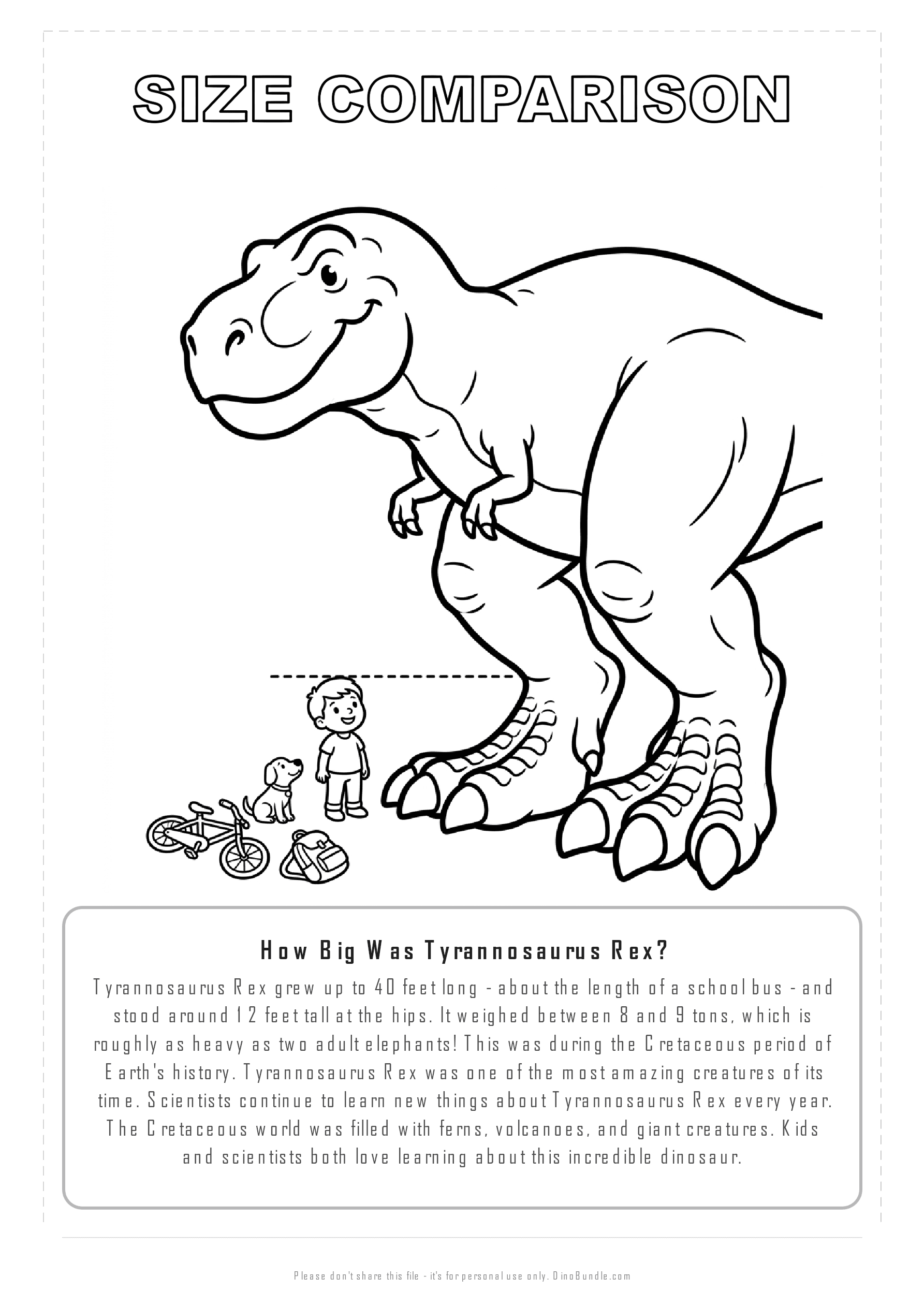
- Fact 3 - How Big It Was: Nasutoceratops was a medium-sized ceratopsian - about 15 feet long and weighing around 1.5 tons. That's about the size of a small truck! It walked on four sturdy legs and had a bulky, powerful body built like a rhinoceros.
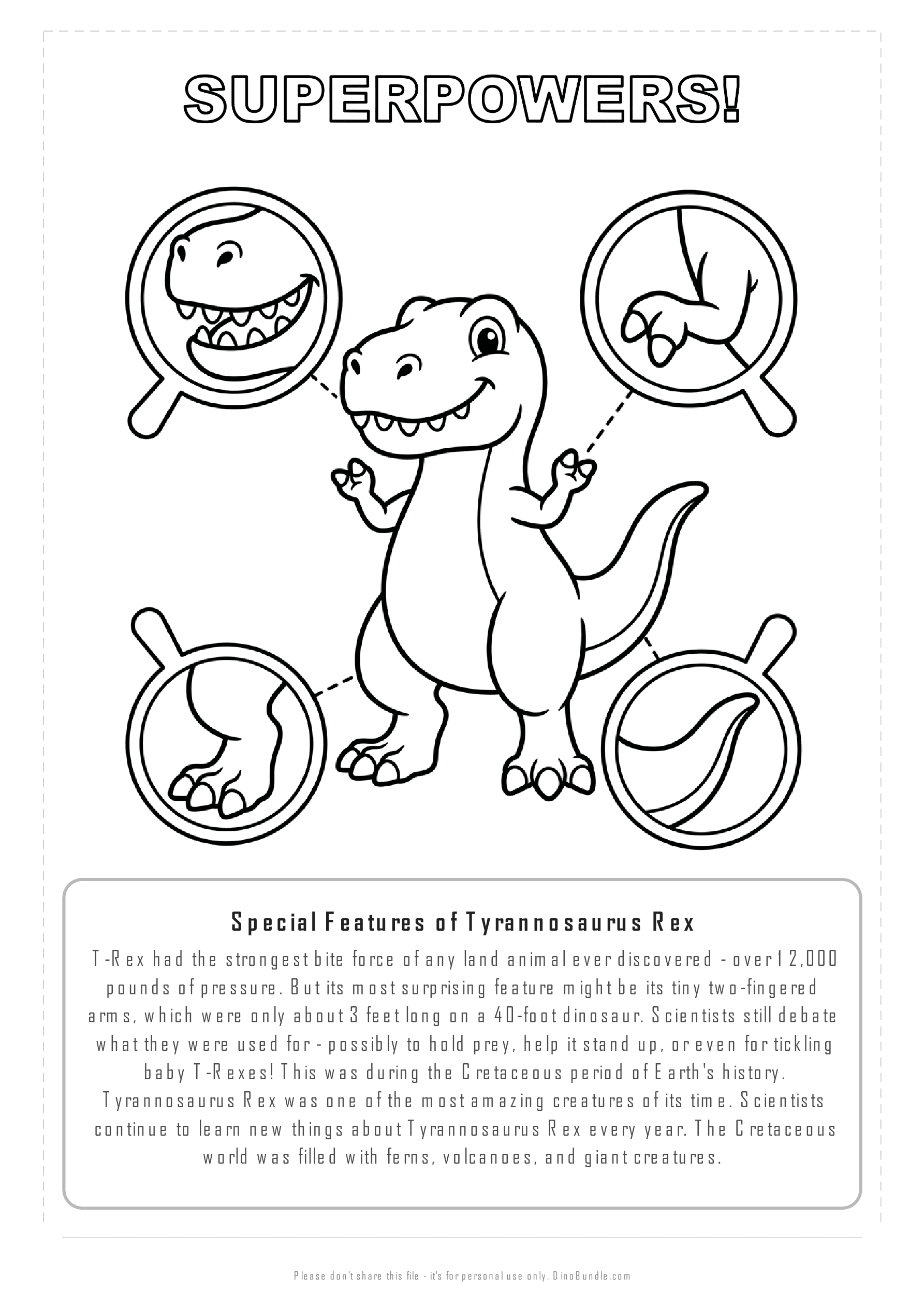
- Fact 4 - Its Superpower: Nasutoceratops had the most unusual horns of any ceratopsian. Instead of pointing straight up or forward like Triceratops, its brow horns curved outward and forward like a bull's horns. Combined with its unusually short, rounded frill and its enormous nose, Nasutoceratops had a face unlike any other horned dinosaur. Scientists think the horns were used for display and for pushing contests between males, just like modern bighorn sheep.
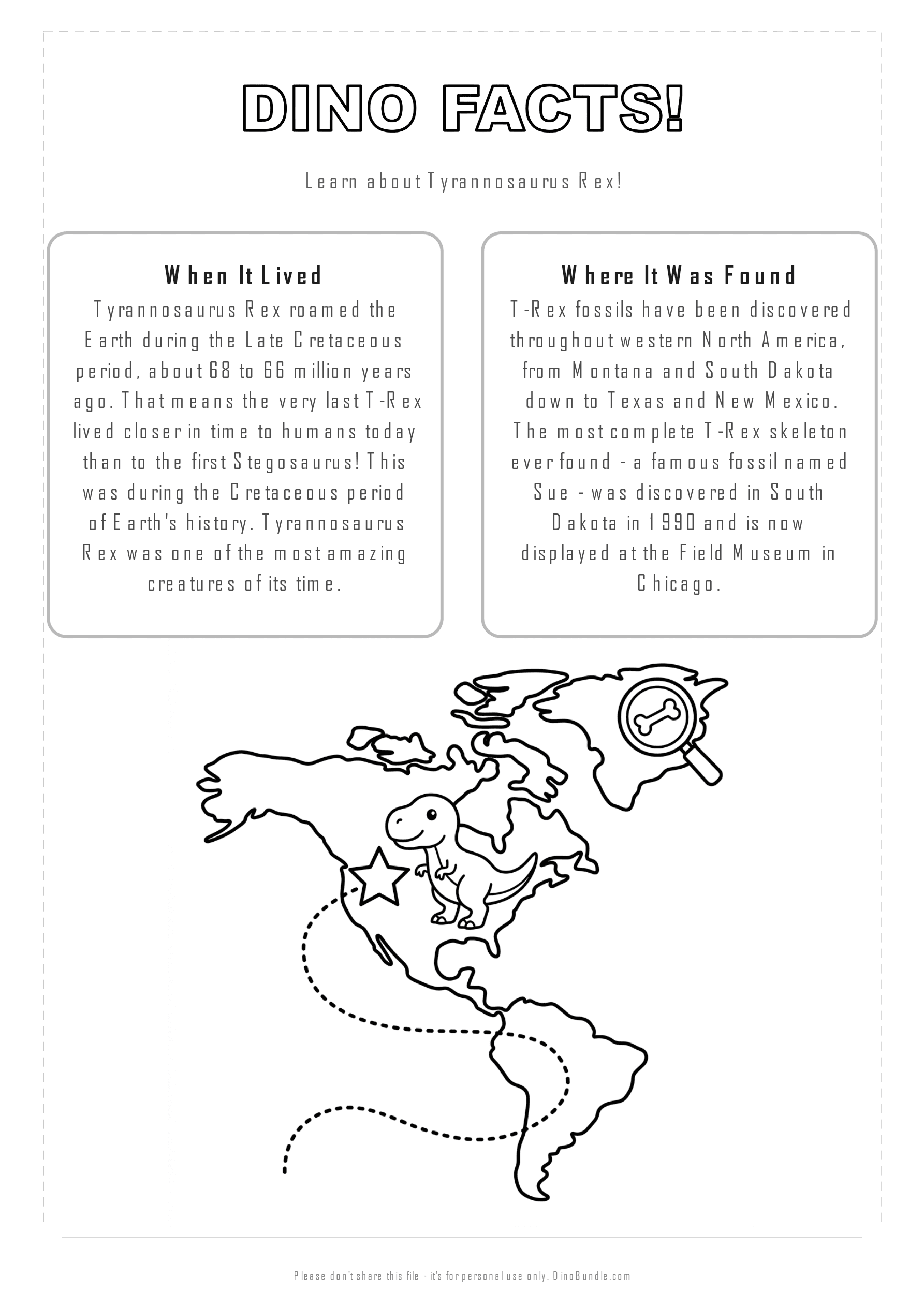
- Fact 5 - Where It Was Found: Nasutoceratops was discovered in 2006 in the Kaiparowits Formation of Utah, part of the Grand Staircase-Escalante National Monument. This area has become one of the most important dinosaur fossil sites in the world, revealing a whole ecosystem of unique Late Cretaceous dinosaurs found nowhere else.
What's Inside This Free Nasutoceratops Printable Pack
This five-page activity pack makes learning about Nasutoceratops hands-on and full of horned adventure.
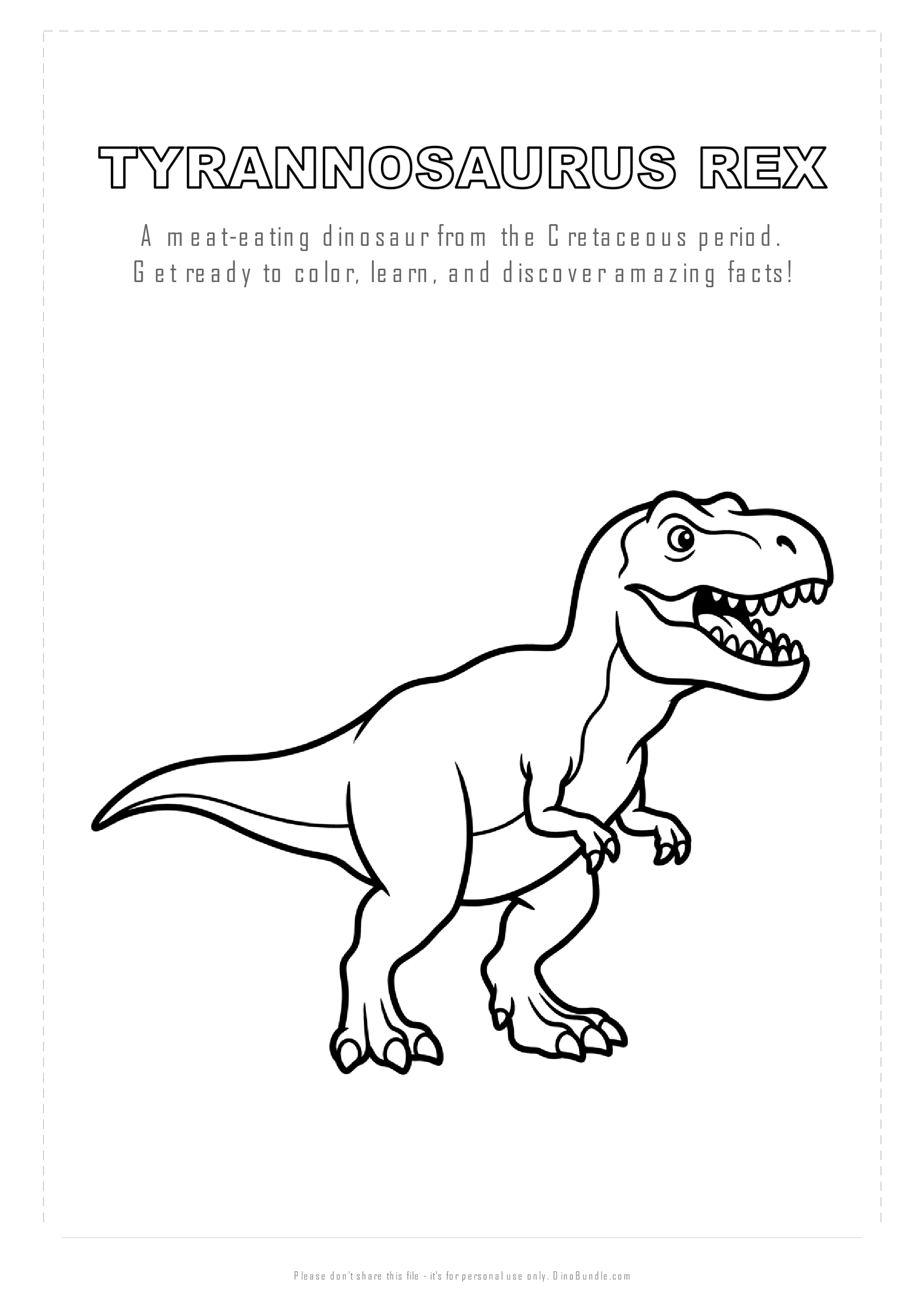
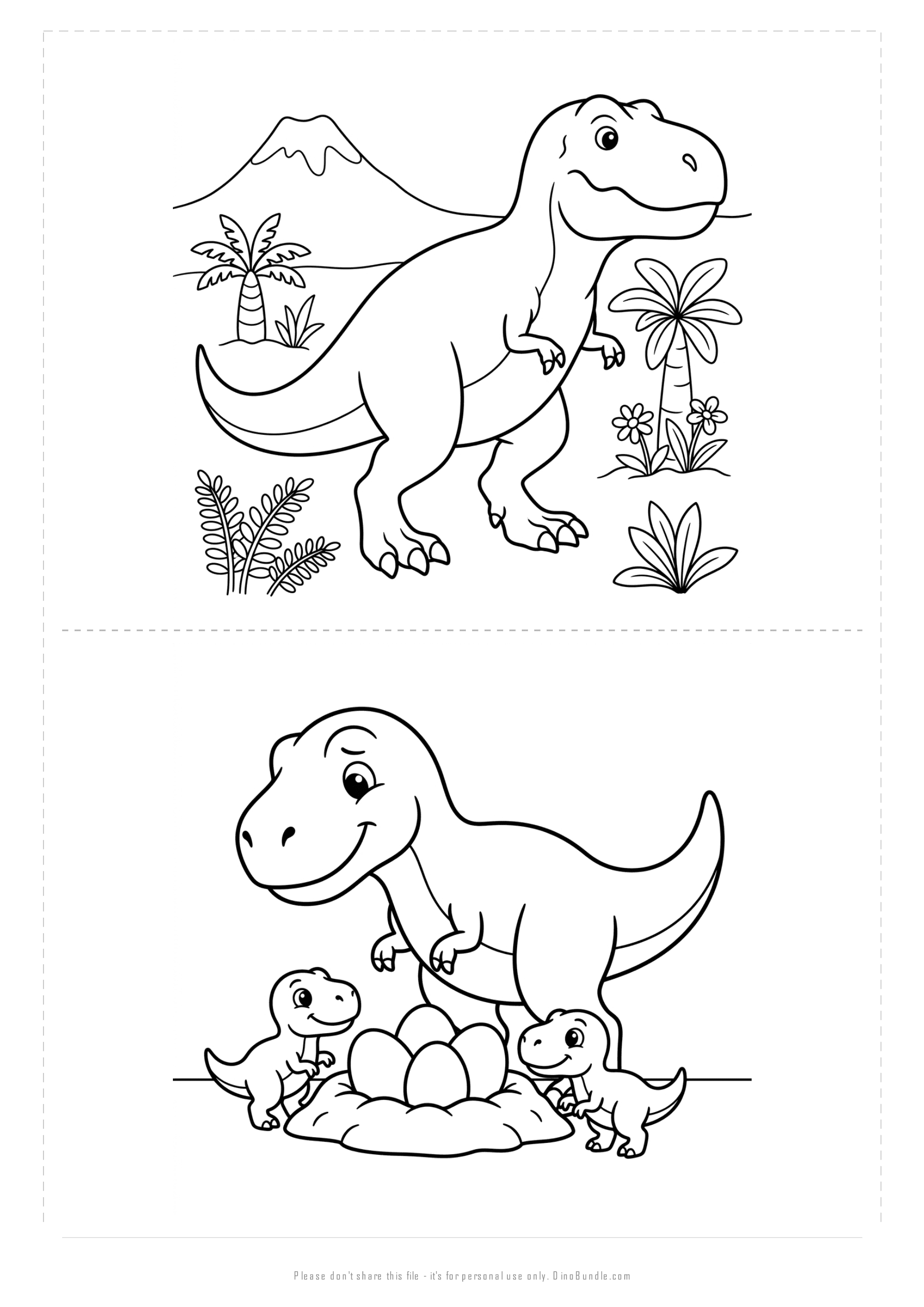
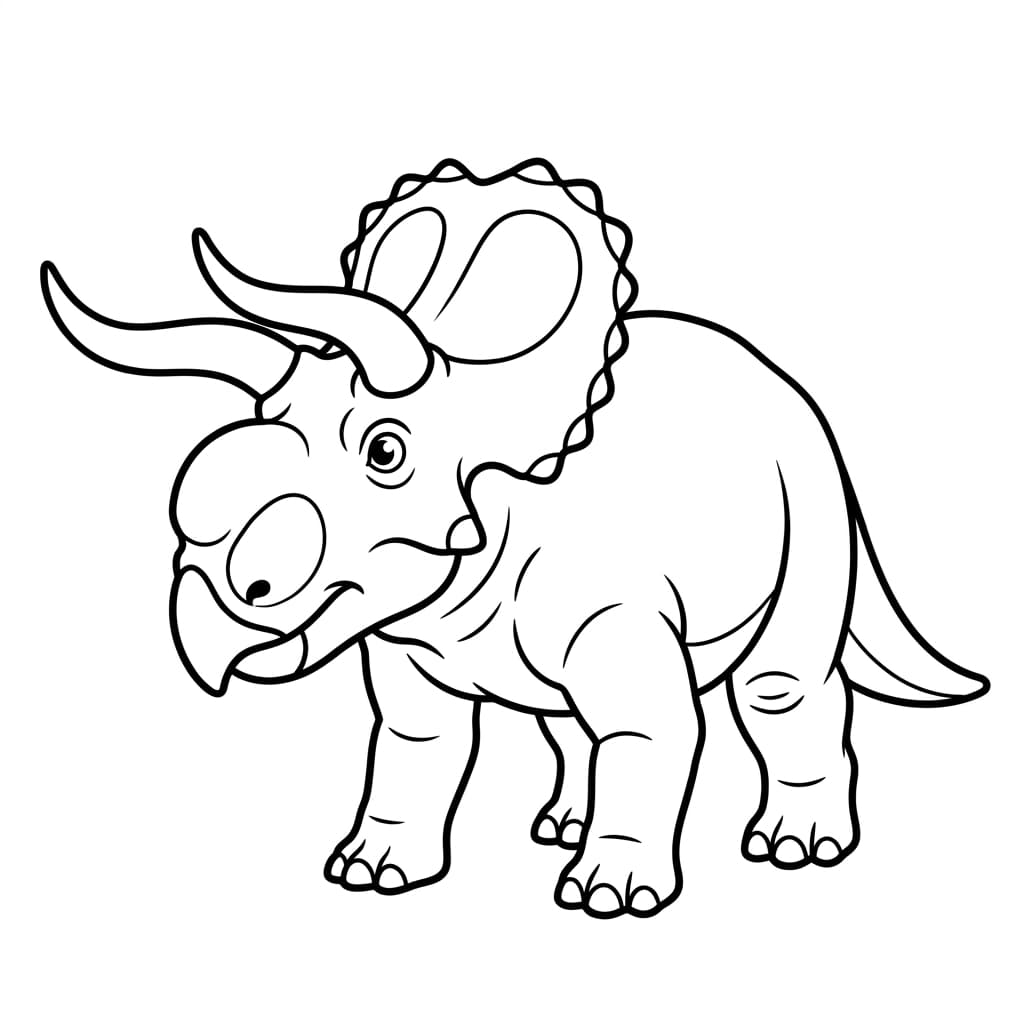
- Page 1 - Meet the Nasutoceratops: A big, beautiful coloring page of this bull-horned dinosaur. Your child will love coloring those unique forward-curving horns and that big round nose.
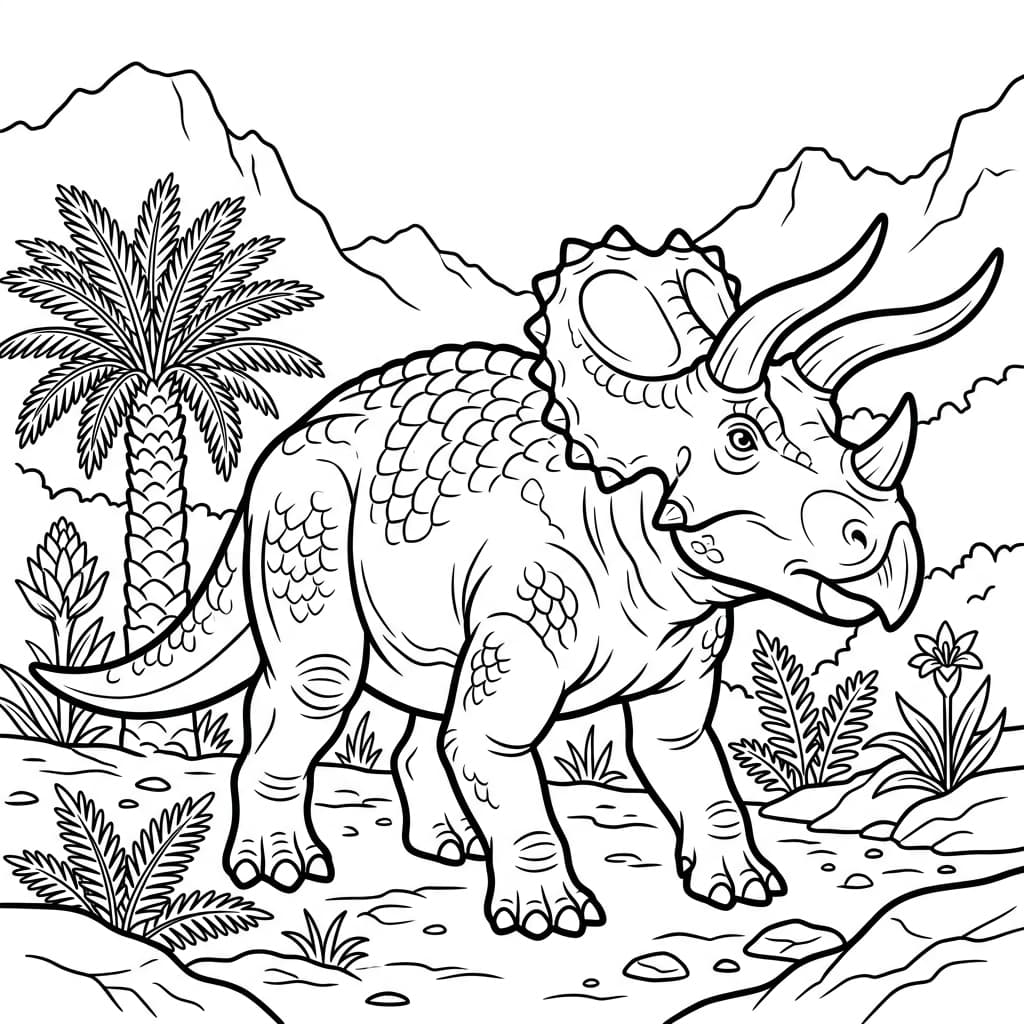
- Page 2 - Nasutoceratops's World: Travel back to Cretaceous Utah! This habitat scene shows the bull-horned dinosaur browsing in a lush subtropical floodplain with distant mountains.
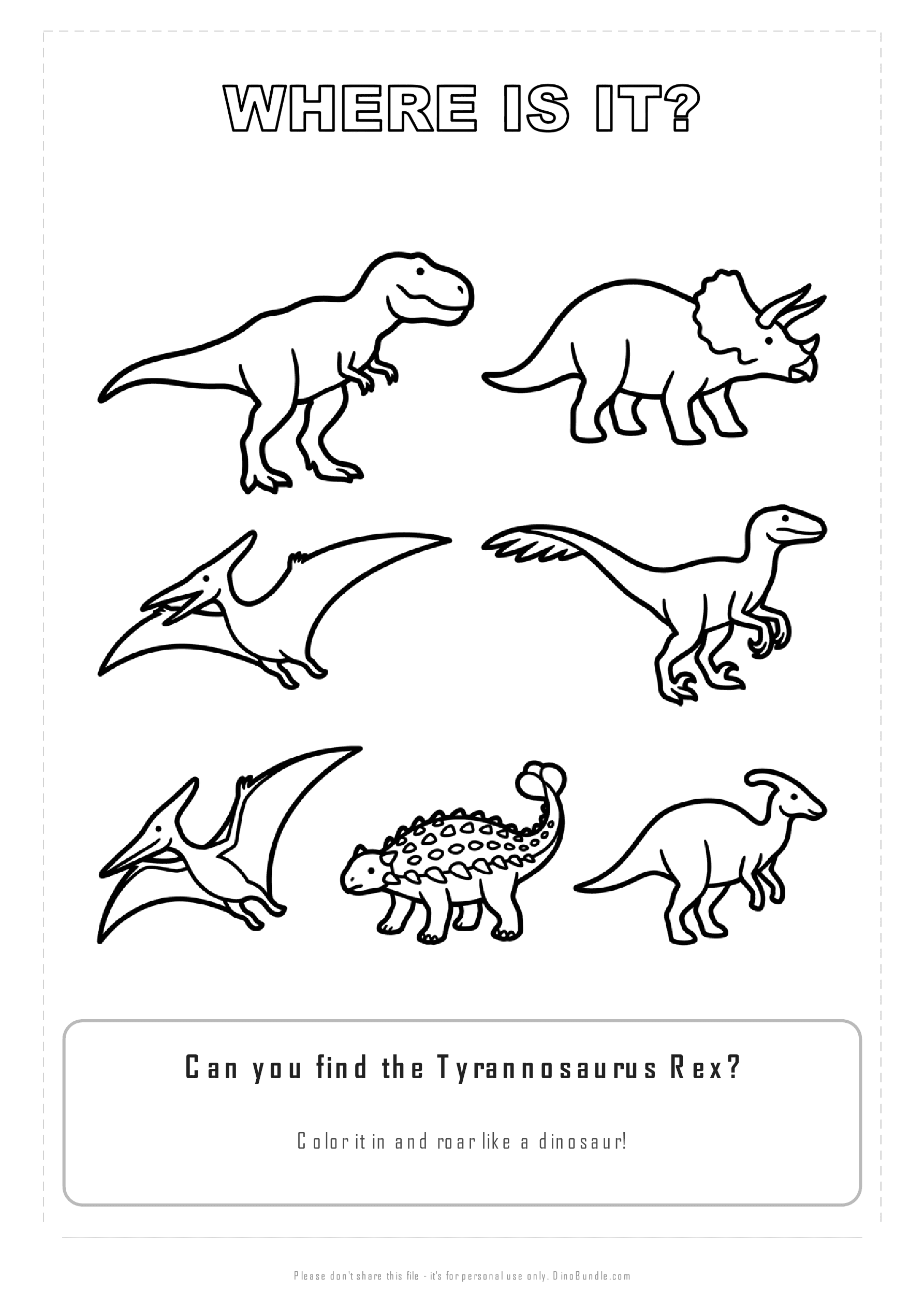
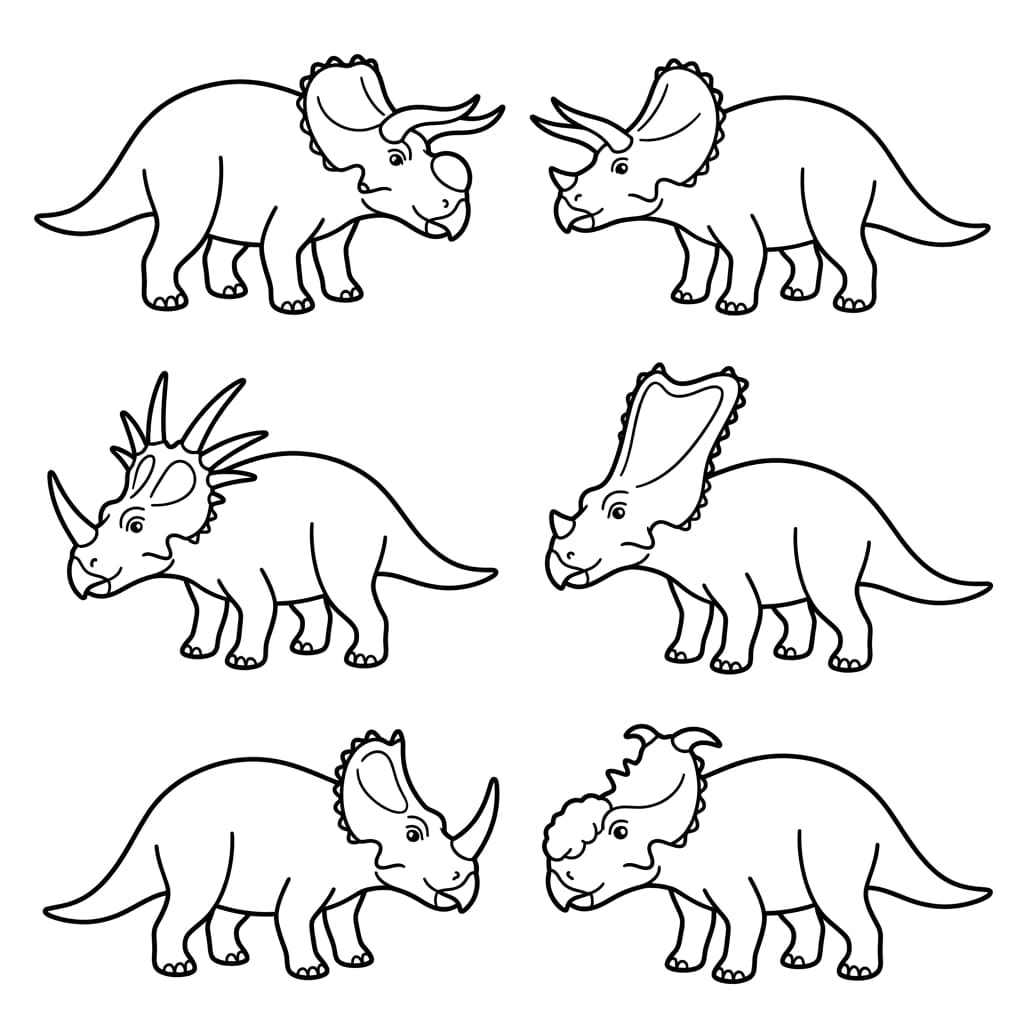
- Page 3 - Find the Nasutoceratops: A fun silhouette challenge among horned dinosaurs! Can your child spot the one with forward-curving bull horns among Triceratops, Styracosaurus, and other ceratopsians?
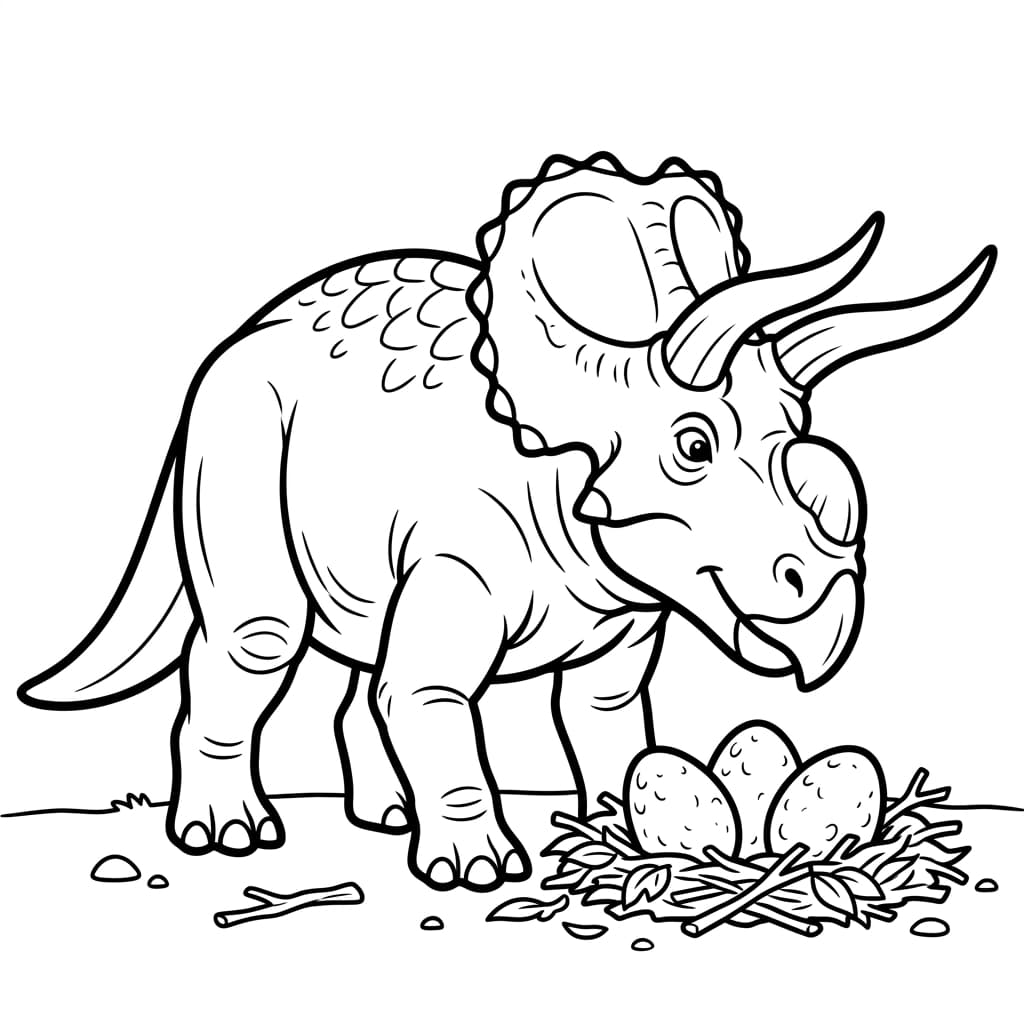
- Page 4 - Dino Family: A heartwarming scene of a Nasutoceratops parent guarding a nest. Even dinosaurs with bull horns were gentle with their babies.
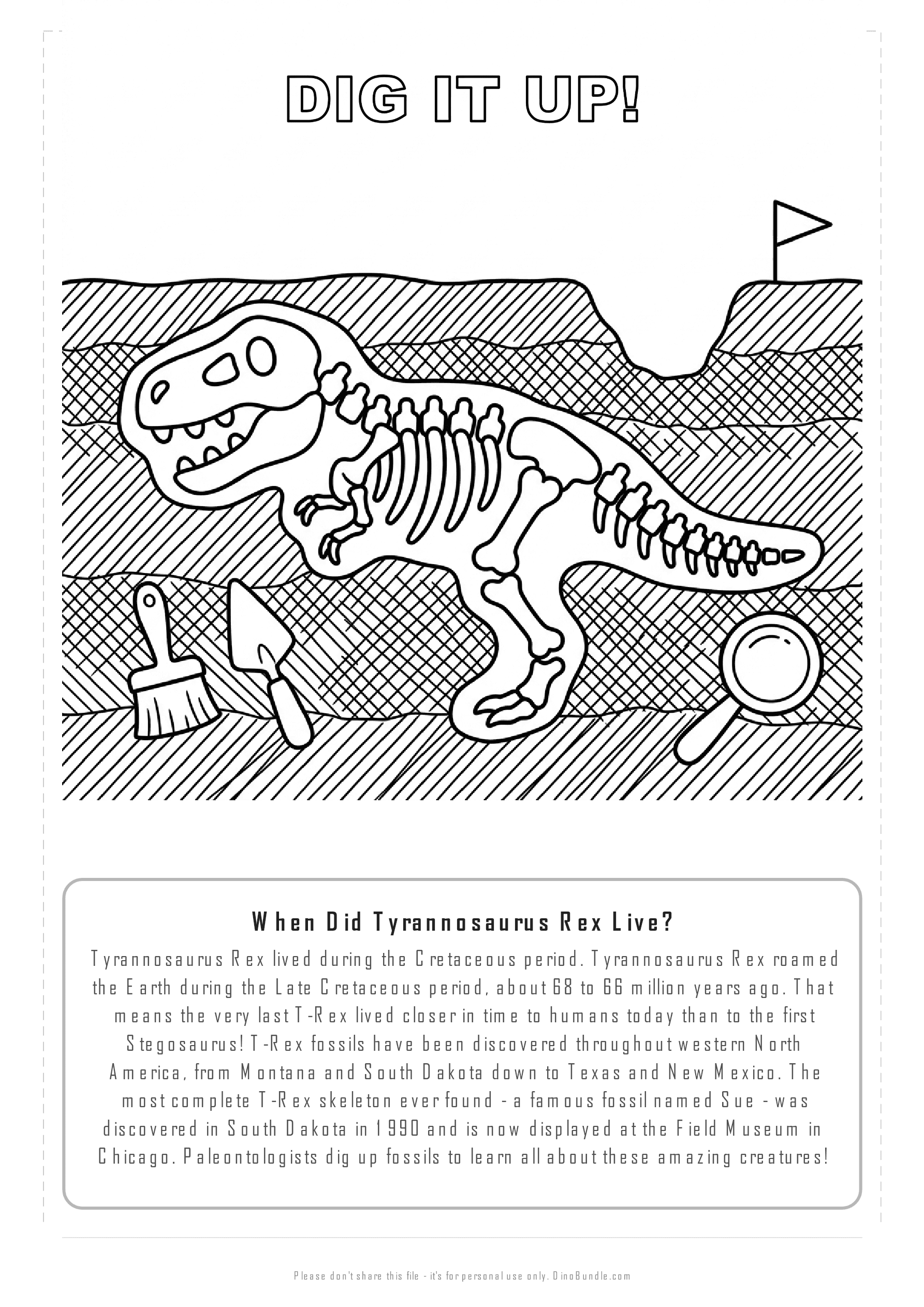
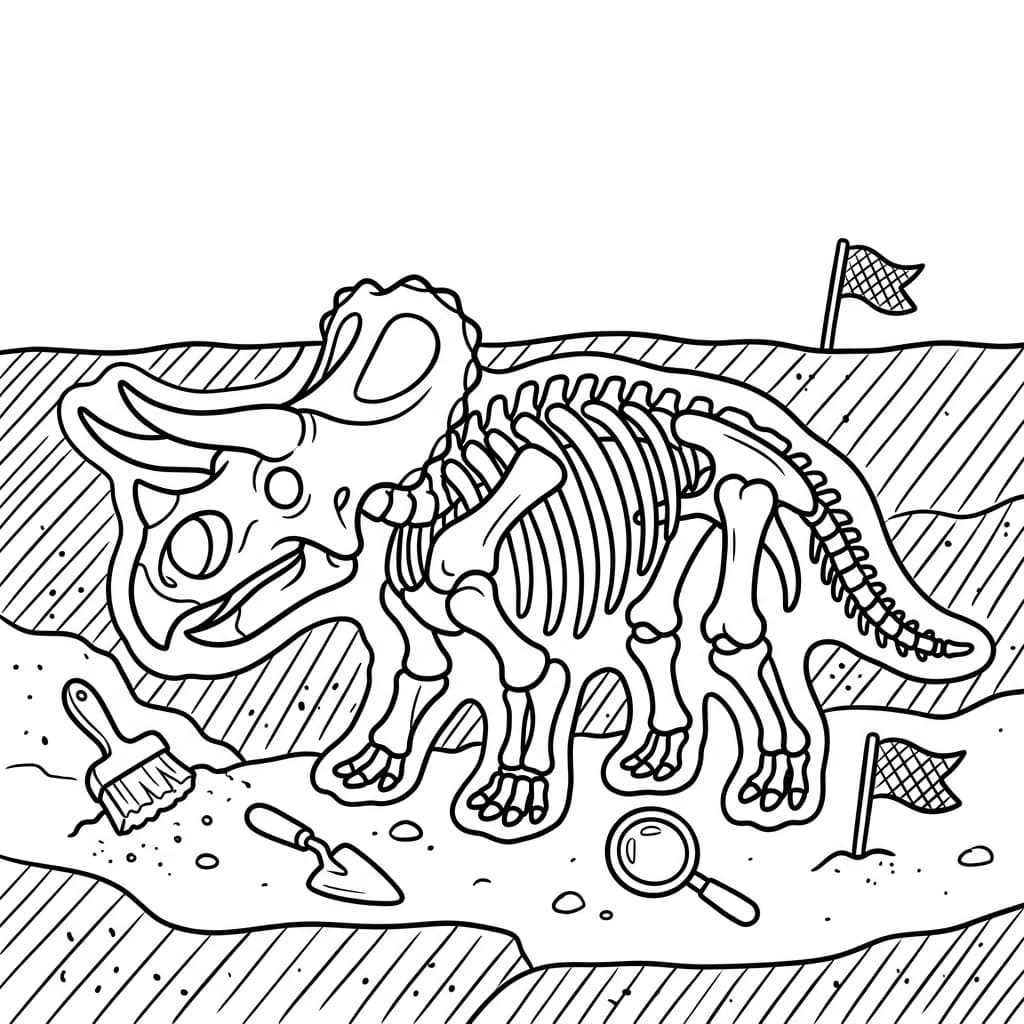
- Page 5 - Dig It Up!: Become a paleontologist! This fossil dig shows a Nasutoceratops skeleton - with those unmistakable forward-curving horn cores - being uncovered from Utah sandstone.
How Dinosaur Coloring Pages Build Real STEM Skills
Coloring builds observation, vocabulary ("ceratopsian," "Cretaceous," "herbivore"), and fine motor skills. Nasutoceratops teaches kids that dinosaur families were diverse. Compare Nasutoceratops to Triceratops, Styracosaurus, and Pachyrhinosaurus - each has completely different horn and frill arrangements. This is a perfect introduction to animal diversity and adaptation. Why so many different horned dinosaurs? Because they were each adapted to different environments and social behaviors, just like antelope species in Africa today.
"Research shows that children who engage with science topics through hands-on creative activities - including coloring, drawing, and imaginative play - develop stronger observation skills and are more likely to pursue STEM interests later in life."
5 Ways to Use This Nasutoceratops Printable at Home
- Pair it with a dino documentary - watch a show about ceratopsians, then color Nasutoceratops and compare its bull horns to Triceratops's straight horns. Which do you like better?
- Make a "Dino of the Week" tradition - Nasutoceratops is the bull-horned dinosaur! Talk about how animals today (bison, cattle, rams) use horns for similar purposes.
- Create a dinosaur diorama - after coloring, build a Cretaceous Utah floodplain in a shoebox with paper ferns and your horned dinosaur.
- Use it in the classroom - perfect for lessons on dinosaur diversity, horned dinosaur evolution, and quiet-time activities for ages 3-6.
- Take it to a museum - bring the colored pages and look for ceratopsian fossils. See how many different horn arrangements you can spot among the horned dinosaurs!
Download Your Free Nasutoceratops Facts and Coloring Pages
Ready to meet the dinosaur with bull horns? These nasutoceratops facts and coloring pages for kids are completely free - enter your email for the full 5-page PDF. No spam, just printable dinosaur fun delivered to your inbox. Want all 100+ dinosaurs? The Ultimate Dino Bundle has every pack - coloring pages, facts, and activities for one small price. Your little paleontologist is going to love the ceratopsian that traded straight horns for a bull's curve!