Free Polacanthus Facts & Coloring Pages for Kids
Why Kids Love Learning About Polacanthus
If you're looking for polacanthus facts and coloring pages for kids, you've found the spikiest dinosaur in England! Polacanthus means "many spines," and the name fits perfectly - this small but heavily armored dinosaur was covered in rows of sharp spikes and bony plates running from its neck all the way down to its tail. It was a walking fortress! Like its famous relative Ankylosaurus, Polacanthus was built for defense, with a shield of bone protecting its hips and sharp spikes pointing outward in every direction. For a young child, Polacanthus is the ultimate "don't mess with me" dinosaur - small, spiky, and utterly unbreakable.
Dinosaurs are the gateway to science. Polacanthus teaches kids that England during the Early Cretaceous was a land of armored wonders - and that some of the best dinosaur fossils ever found came from a small island in Europe.
Amazing Polacanthus Facts Every Kid Should Know
This spiky armored tank from England was built to survive. Here are five facts.
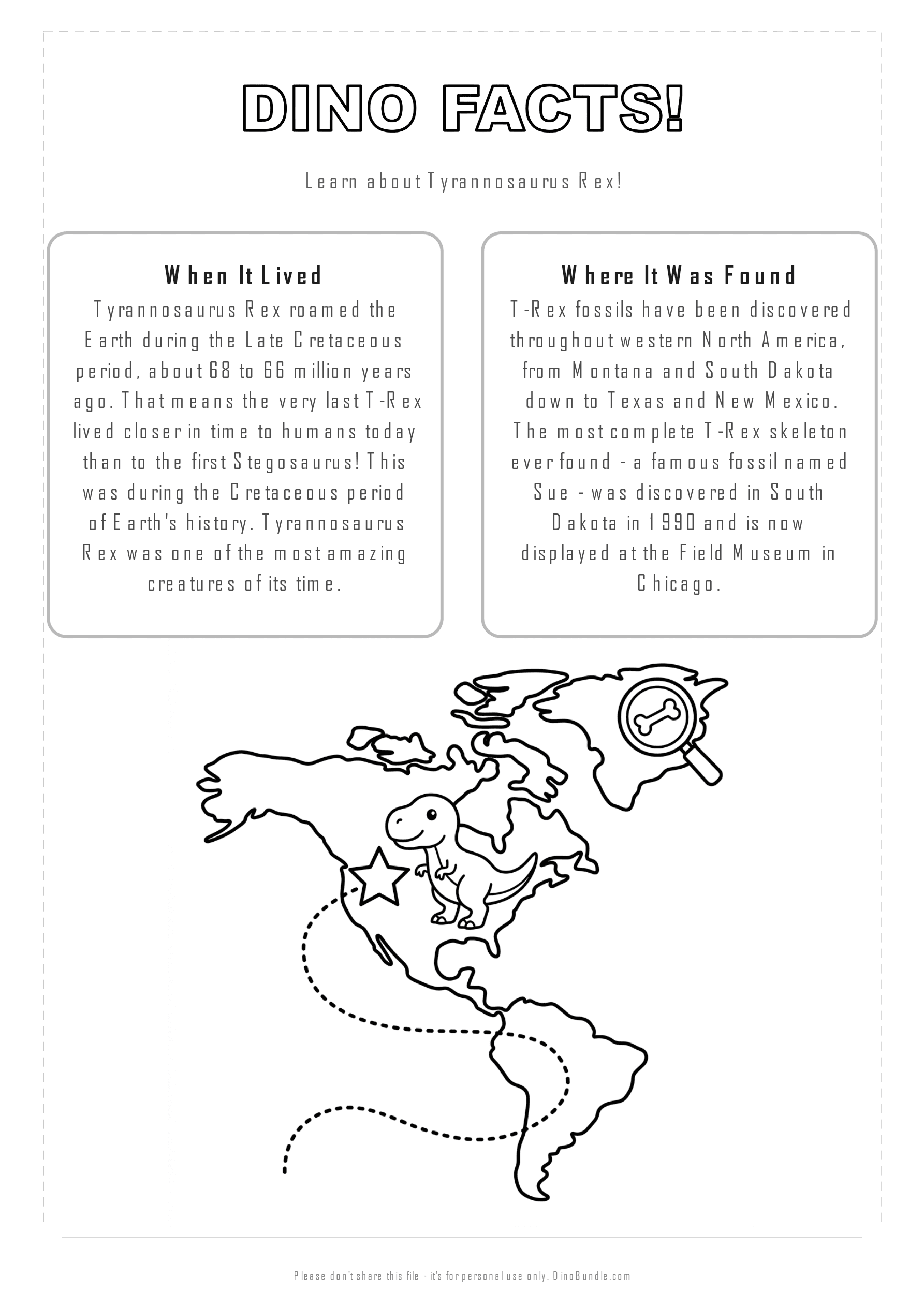
- Fact 1 - When It Lived: Polacanthus lived during the Early Cretaceous period, about 130 to 125 million years ago. It roamed the lush forests and river valleys of what is now southern England and the Isle of Wight - the same island that gave us Hypsilophodon and Iguanodon, and a landscape that was warm, green, and teeming with dinosaurs.
- Fact 2 - What It Ate: Polacanthus was a herbivore that browsed on low-growing plants like ferns, cycads, and horsetails. It used its toothless beak to snip off vegetation and its small cheek teeth to process the tough plant material. Its low-slung body kept it close to its food source - and close to the ground for protection.
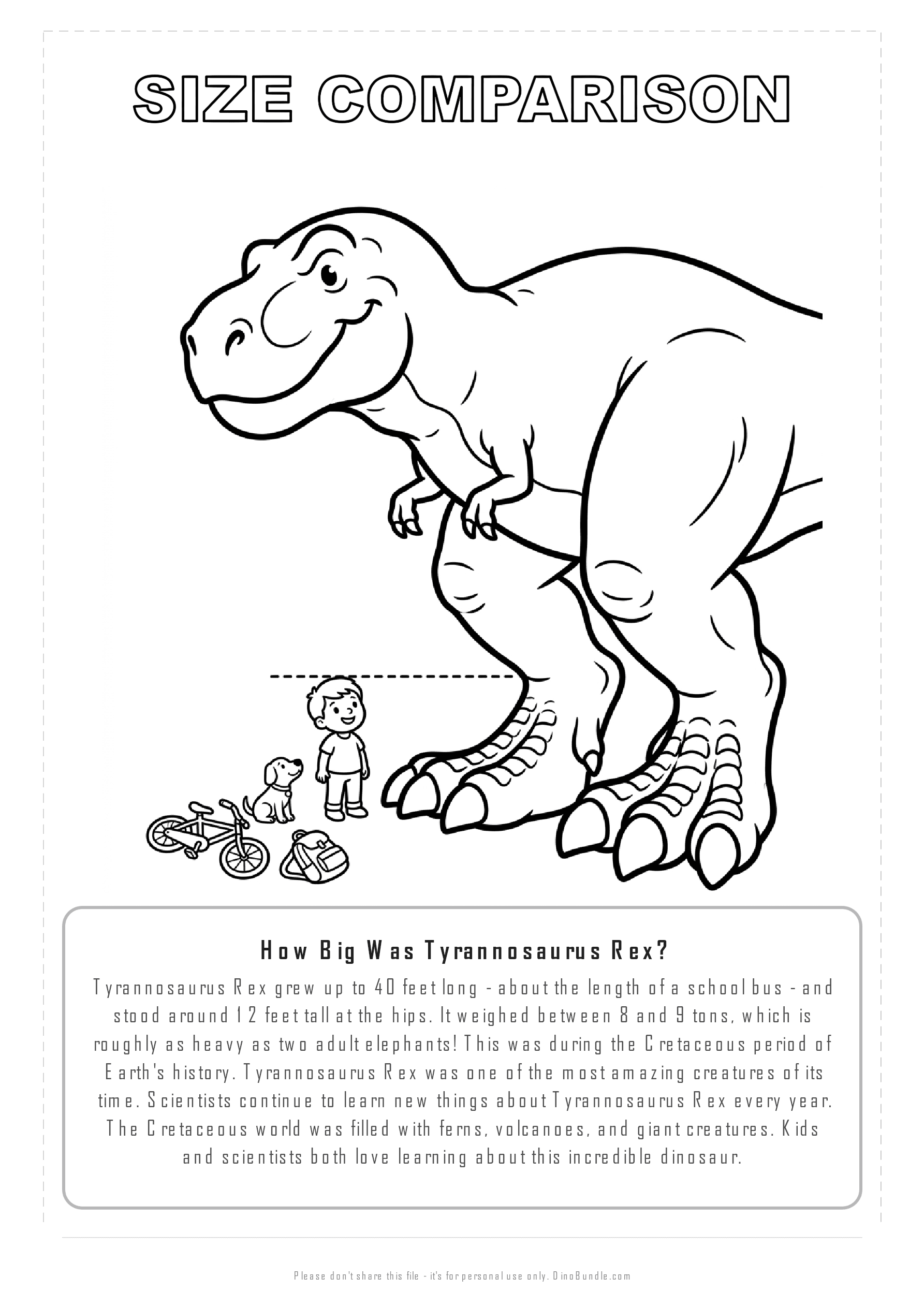
- Fact 3 - How Big It Was: Polacanthus was relatively small - about 13 to 16 feet long and weighing about 1 to 2 tons. That's about the size of a small car! Its body was wide and squat, covered in bony armor, and its tail ended in a cluster of sharp spikes that would have been painful for any predator foolish enough to attack.
- Fact 4 - Its Superpower: Polacanthus had a solid shield of bone - a sacral shield - protecting its hips, which were covered by a single fused plate of armor. Rows of long, sharp spikes ran along its back and flanks, making it look like a prehistoric porcupine crossed with a tank. Unlike Ankylosaurus, it didn't have a tail club - it relied purely on its spikes for defense, making it a bristling ball of "do not touch."
- Fact 5 - Where It Was Found: Polacanthus was discovered in 1865 on the Isle of Wight, England, by Reverend William Fox - an amateur fossil collector who made several important dinosaur discoveries. The first fossils were incomplete, but later discoveries filled in the picture of this spiky dinosaur. The Isle of Wight is one of the richest dinosaur fossil sites in Europe, and Polacanthus is one of its most famous residents.
What's Inside This Free Polacanthus Printable Pack
This five-page activity pack makes learning about Polacanthus hands-on and full of spiky, armored fun.
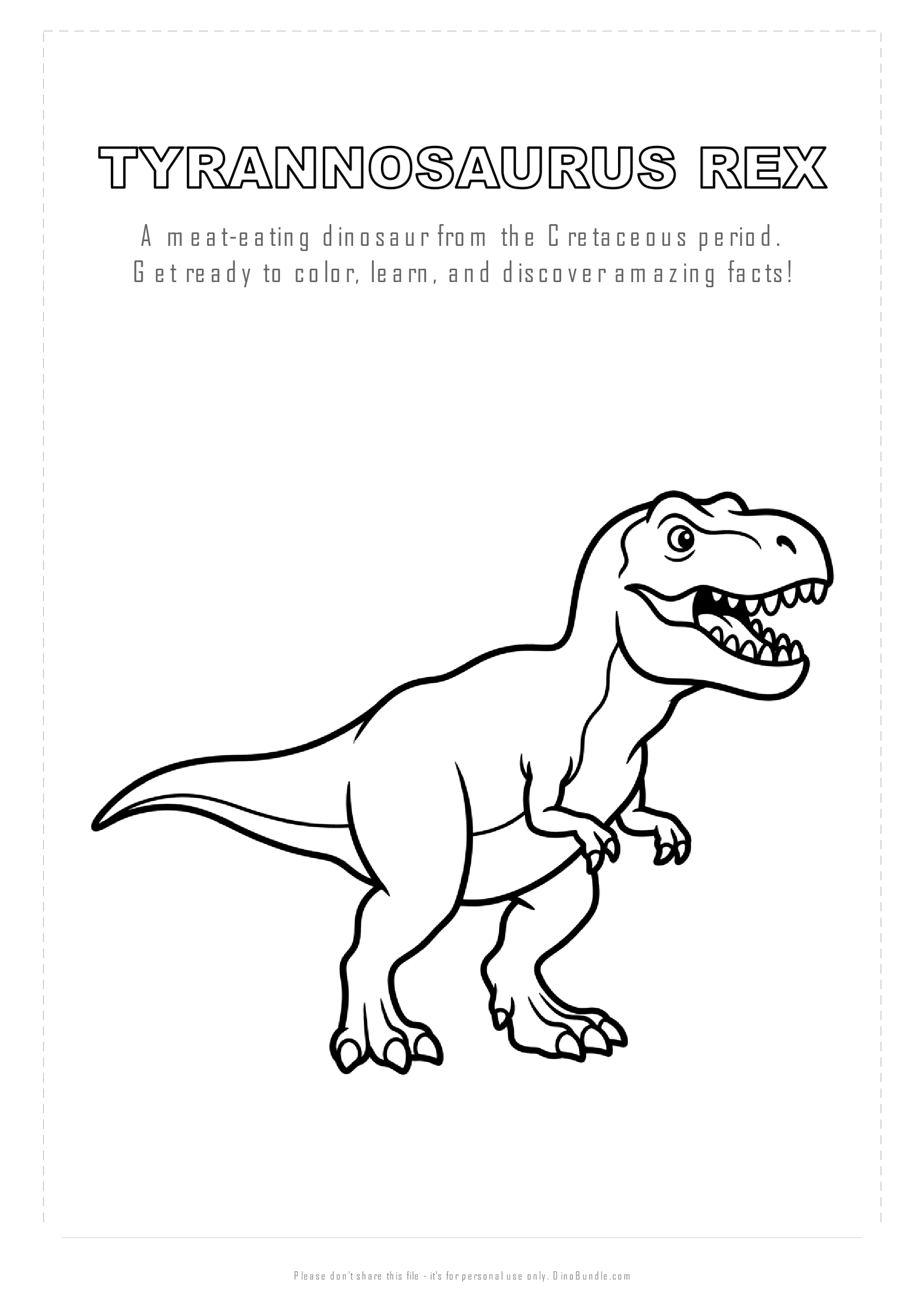
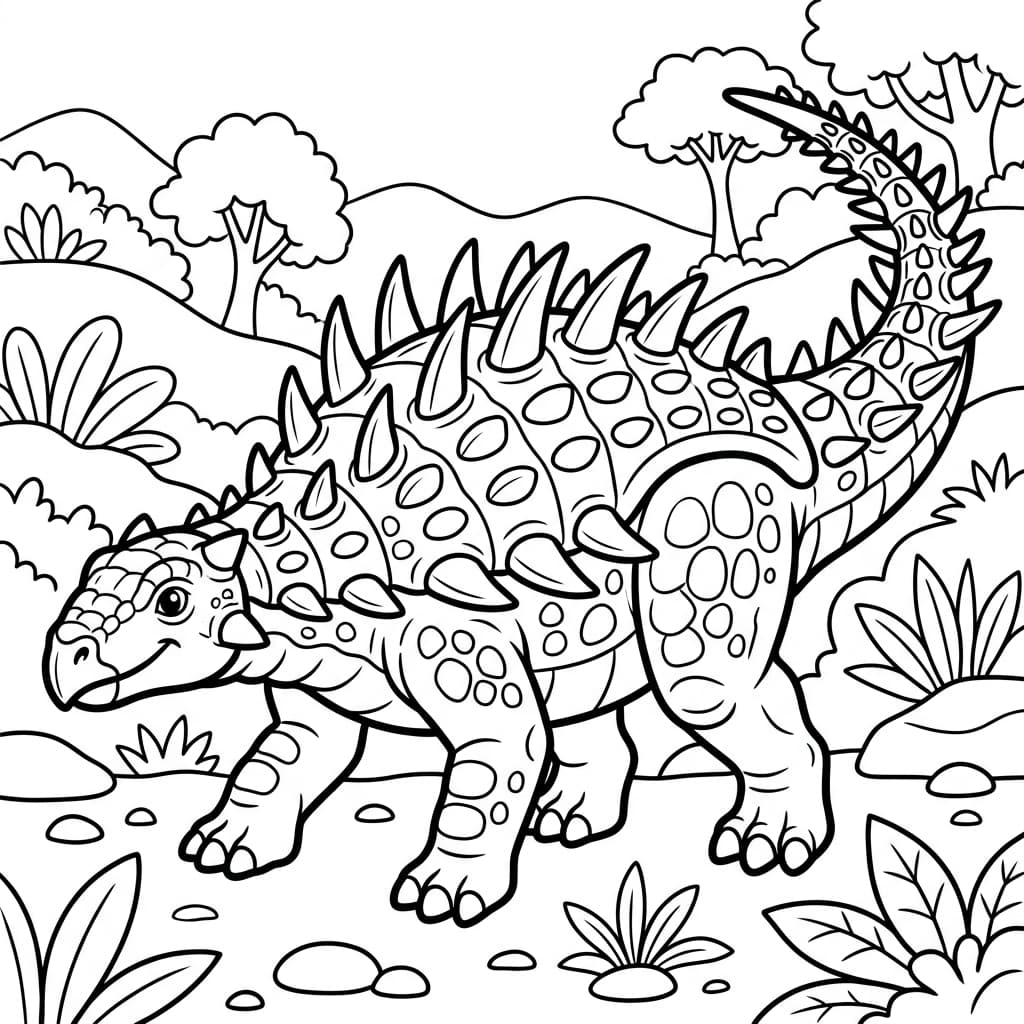
- Page 1 - Meet the Polacanthus: A big, beautiful coloring page of this spiky dinosaur showing all its armor plates and sharp spikes. Your child will love coloring the "many-spined" walking fortress!
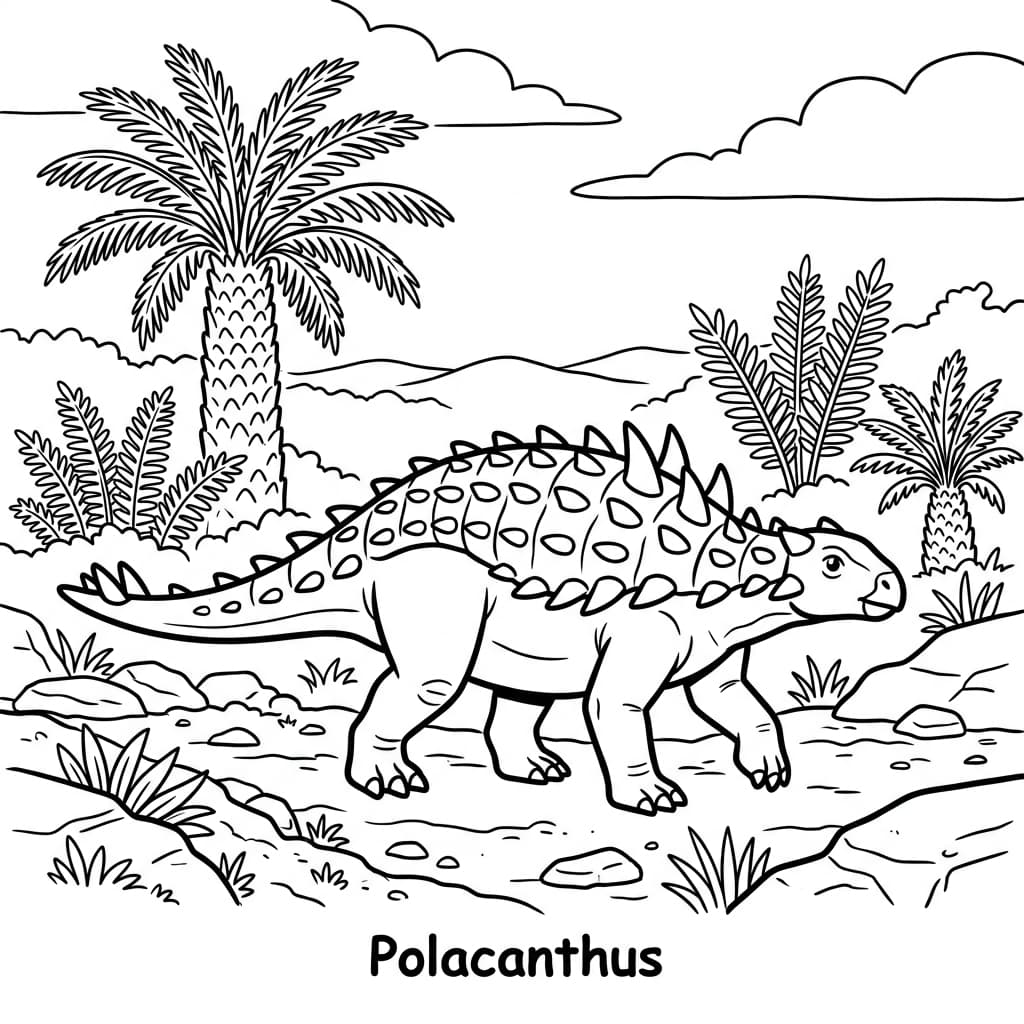
- Page 2 - Polacanthus's World: Travel back to Early Cretaceous England! This habitat scene shows Polacanthus browsing among ferns on the lush Isle of Wight.
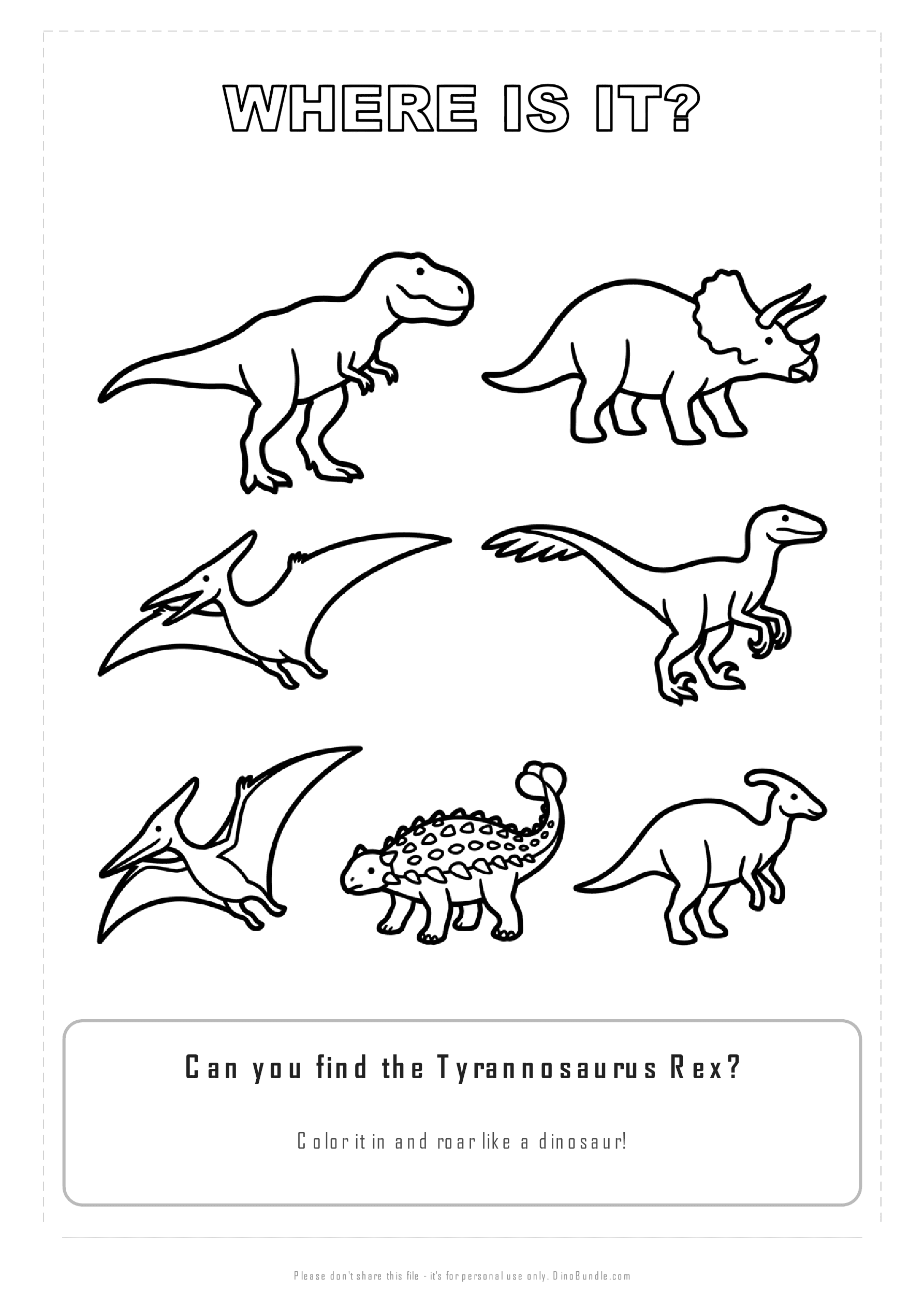
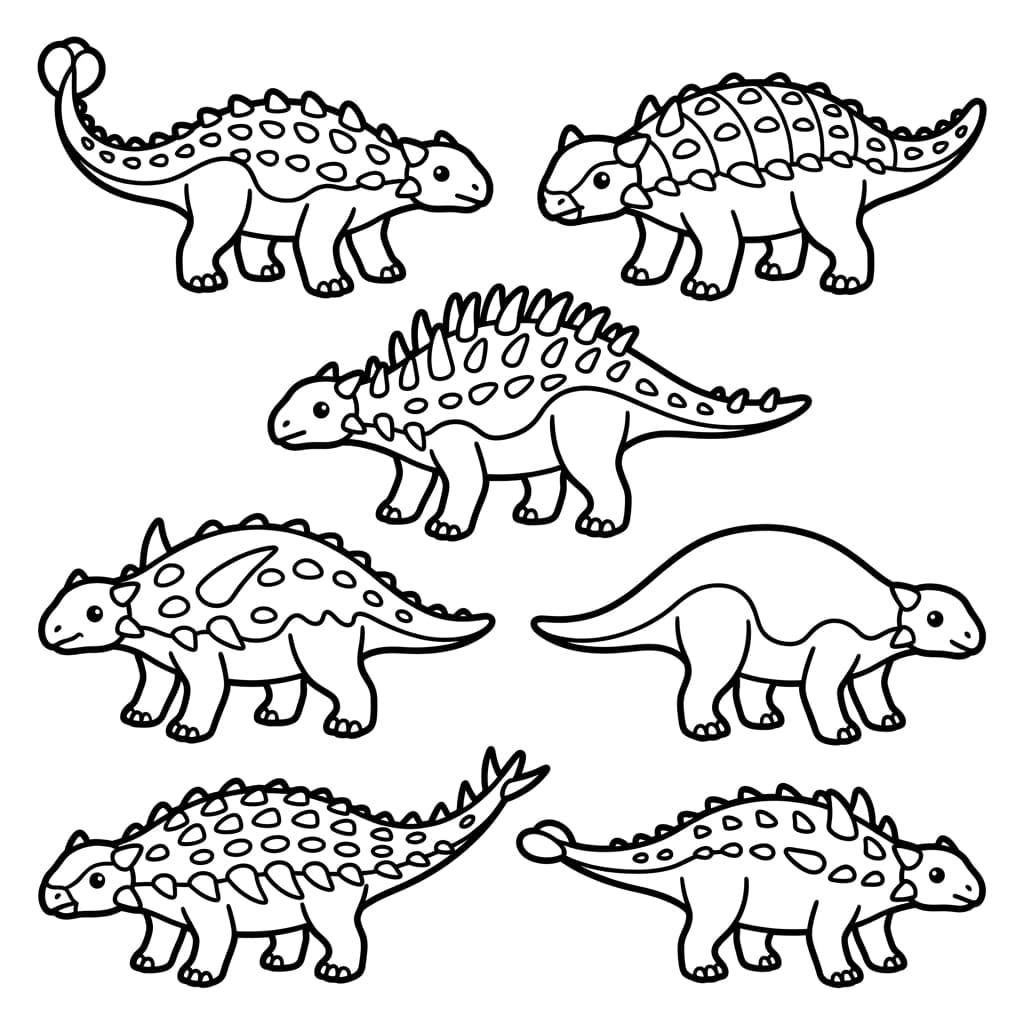
- Page 3 - Find the Polacanthus: A fun silhouette challenge among armored dinosaurs! Can your child spot the spikiest of them all among Ankylosaurus, Nodosaurus, and other armored relatives?
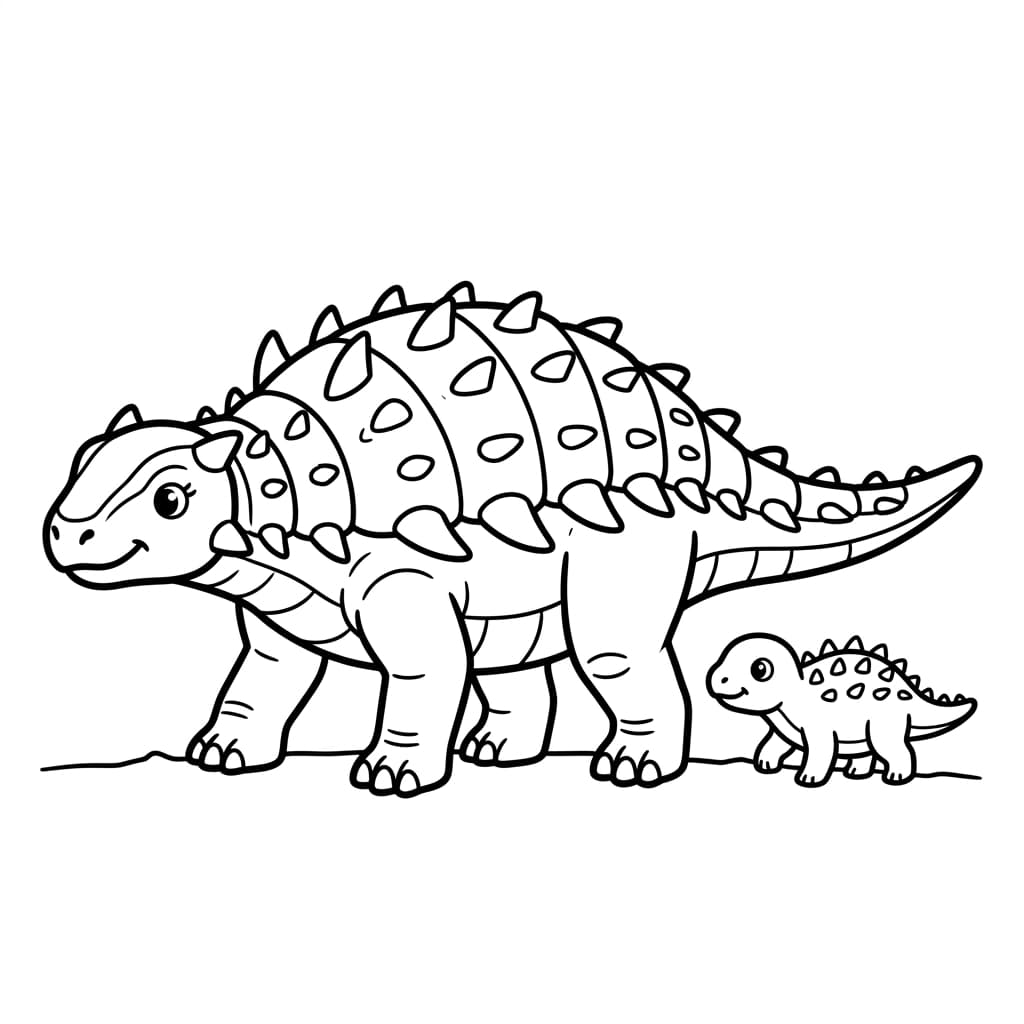
- Page 4 - Dino Family: A heartwarming scene of a Polacanthus parent with a baby, the little one already showing its first row of tiny spikes. Even armored tanks had families.
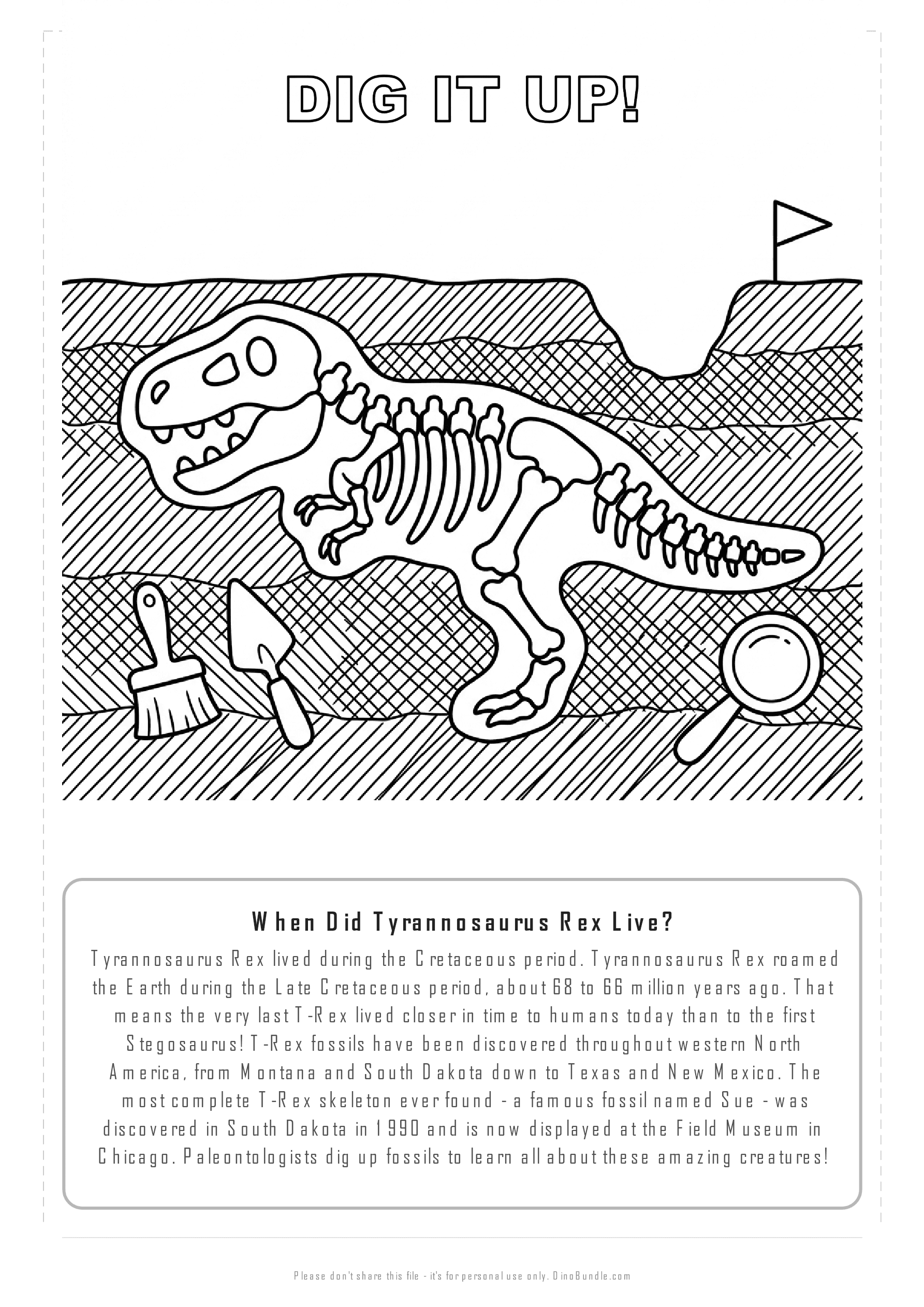
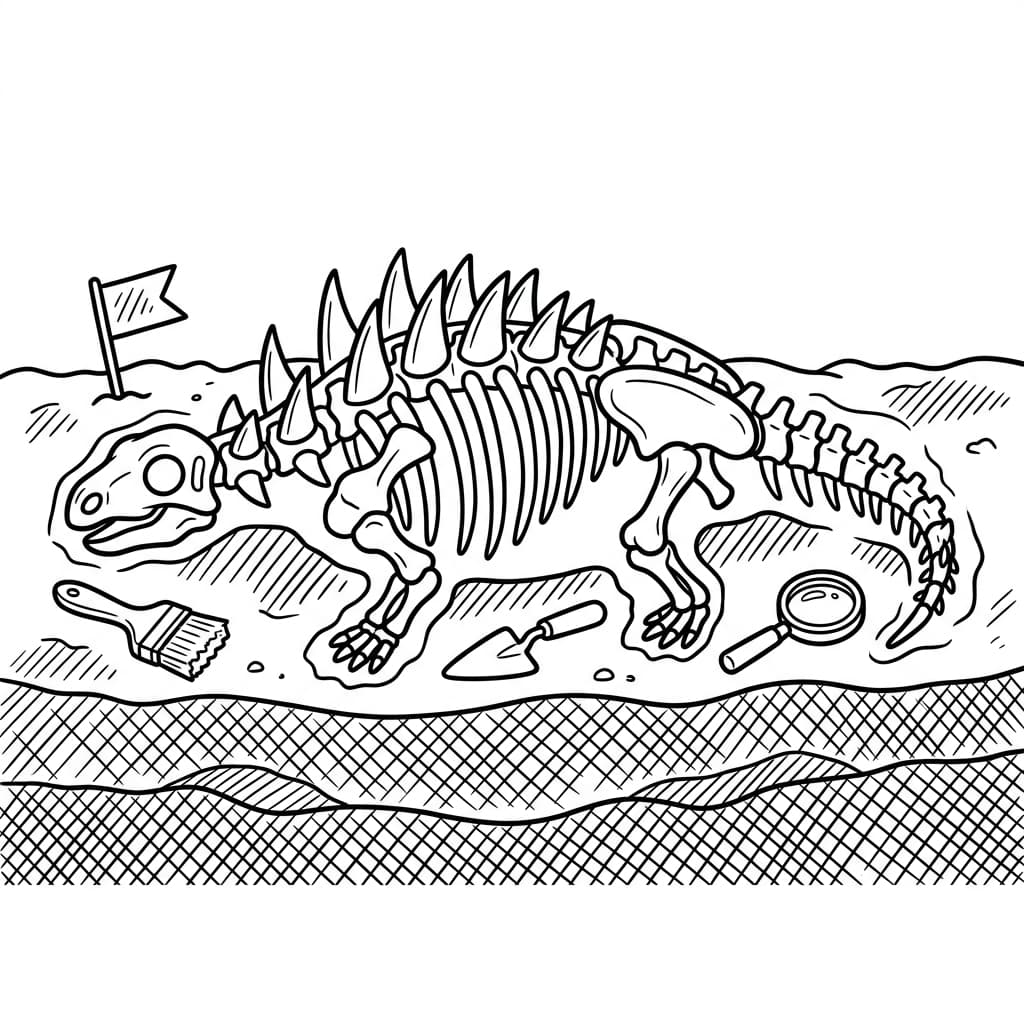
- Page 5 - Dig It Up!: Become a paleontologist! This fossil dig shows a Polacanthus skeleton - rows of spikes and that famous hip shield - being uncovered on the Isle of Wight.
How Dinosaur Coloring Pages Build Real STEM Skills
Coloring builds observation, vocabulary ("ankylosaur," "thyreophoran," "sacral shield"), and fine motor skills. Polacanthus teaches kids about convergent evolution - the idea that different animals can evolve similar defenses. A modern porcupine and an ancient Polacanthus both evolved spikes for protection, even though they're separated by 125 million years of evolution. It also introduces the incredible fossil history of England, showing that great dinosaur discoveries happen all over the world.
"Research shows that children who engage with science topics through hands-on creative activities - including coloring, drawing, and imaginative play - develop stronger observation skills and are more likely to pursue STEM interests later in life."
5 Ways to Use This Polacanthus Printable at Home
- Pair it with a dino documentary - watch a kid-friendly show about armored dinosaurs, then color Polacanthus while talking about different types of dinosaur defense.
- Make a "Dino of the Week" tradition - Polacanthus is the spikiest dinosaur in England! Put it on a map to show where the Isle of Wight is.
- Create a dinosaur diorama - after coloring, build an Early Cretaceous English forest in a shoebox with Polacanthus defended by its bristling spikes.
- Use it in the classroom - perfect for lessons on animal adaptations, dinosaur fossil sites around the world, and quiet-time activities for ages 3-6.
- Take it to a museum - bring the colored pages and look for Polacanthus fossils. The Dinosaur Isle museum on the Isle of Wight is the perfect place to see this spiky local hero.
Download Your Free Polacanthus Facts and Coloring Pages
Ready to meet the many-spined walking fortress? These polacanthus facts and coloring pages for kids are completely free - enter your email for the full 5-page PDF. No spam, just printable dinosaur fun delivered to your inbox. Want all 100+ dinosaurs? The Ultimate Dino Bundle has every pack - coloring pages, facts, and activities for one small price. Your little paleontologist is going to love the spikiest dinosaur ever found on a small English island!