Free Pterodactyl Facts & Coloring Pages for Kids
Why Kids Love Learning About Pterodactyl
If you're searching for pterodactyl coloring pages and facts for kids, get ready to take flight! Pterodactyl - or more accurately, Pterodactylus - is the flying reptile that makes every child's imagination soar. There's something magical about a creature with giant leathery wings, a long pointed beak, and the ability to swoop through prehistoric skies. For a young child, Pterodactyl represents freedom, adventure, and the thrill of flight. It's often the first "not quite a dinosaur" that kids fall in love with - and that's a great opportunity to teach the difference between dinosaurs and the amazing flying reptiles (pterosaurs) that ruled the skies.
Dinosaurs and prehistoric creatures are the gateway to science for young kids. When a child asks "How did Pterodactyl fly?" or "What did Pterodactyl eat?", they're thinking like a scientist - forming hypotheses, making observations, and building vocabulary. Every coloring page, every fact they learn, and every question they ask is a step toward STEM literacy.
Amazing Pterodactyl Facts Every Kid Should Know
Pterodactyl was one of the first flying vertebrates ever discovered - and these five fascinating facts will make your child see this winged wonder in a whole new light.
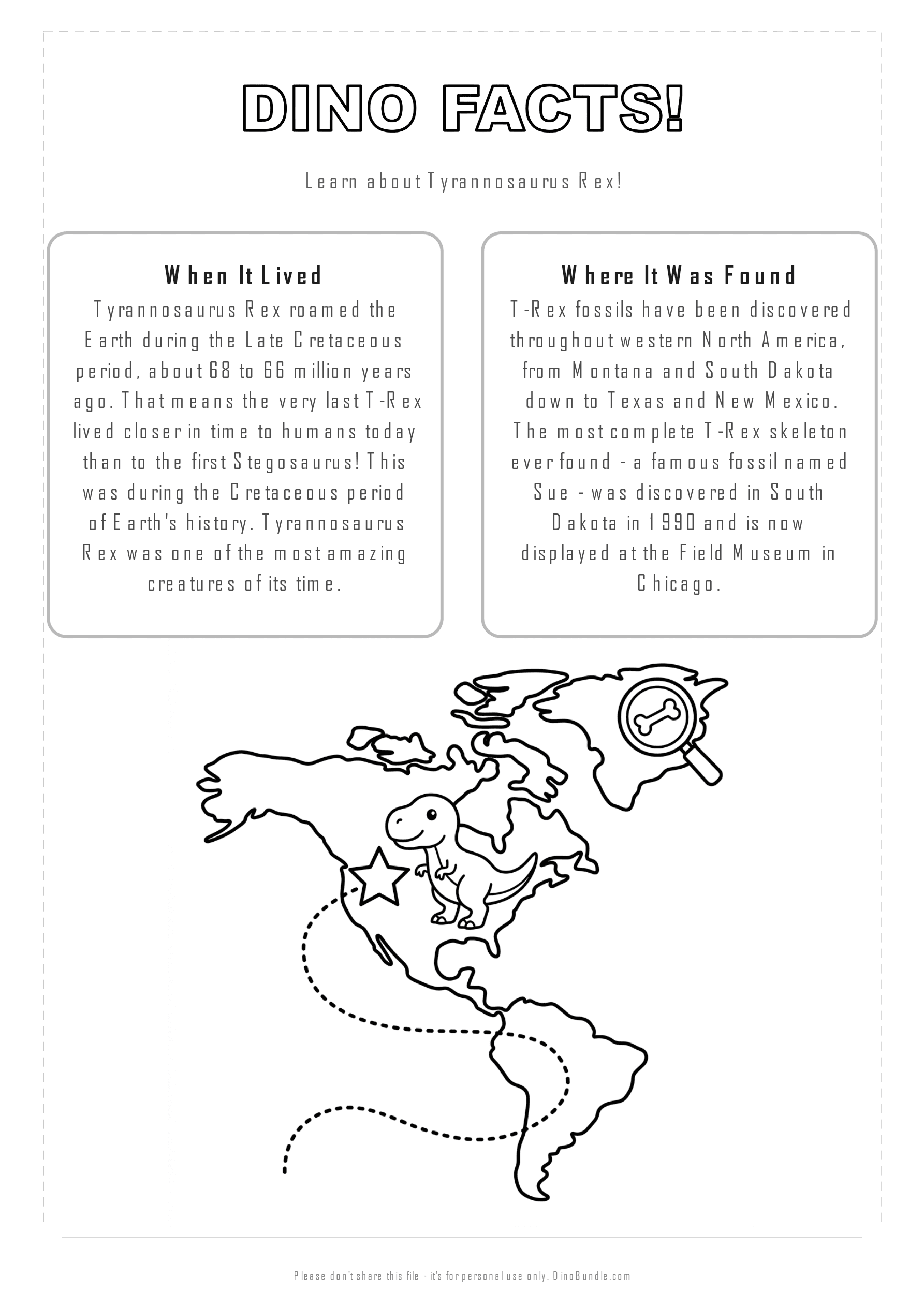
- Fact 1 - When It Lived: Pterodactyl (Pterodactylus) lived during the Late Jurassic period, about 150 to 148 million years ago. It soared over the seas and lagoons of what is now Germany, sharing the skies with the first birds!
- Fact 2 - What It Ate: Pterodactyl was a carnivore that likely ate fish, squid, and other small sea creatures. Its long, toothless beak was perfect for snatching fish from the water's surface - kind of like a prehistoric pelican!
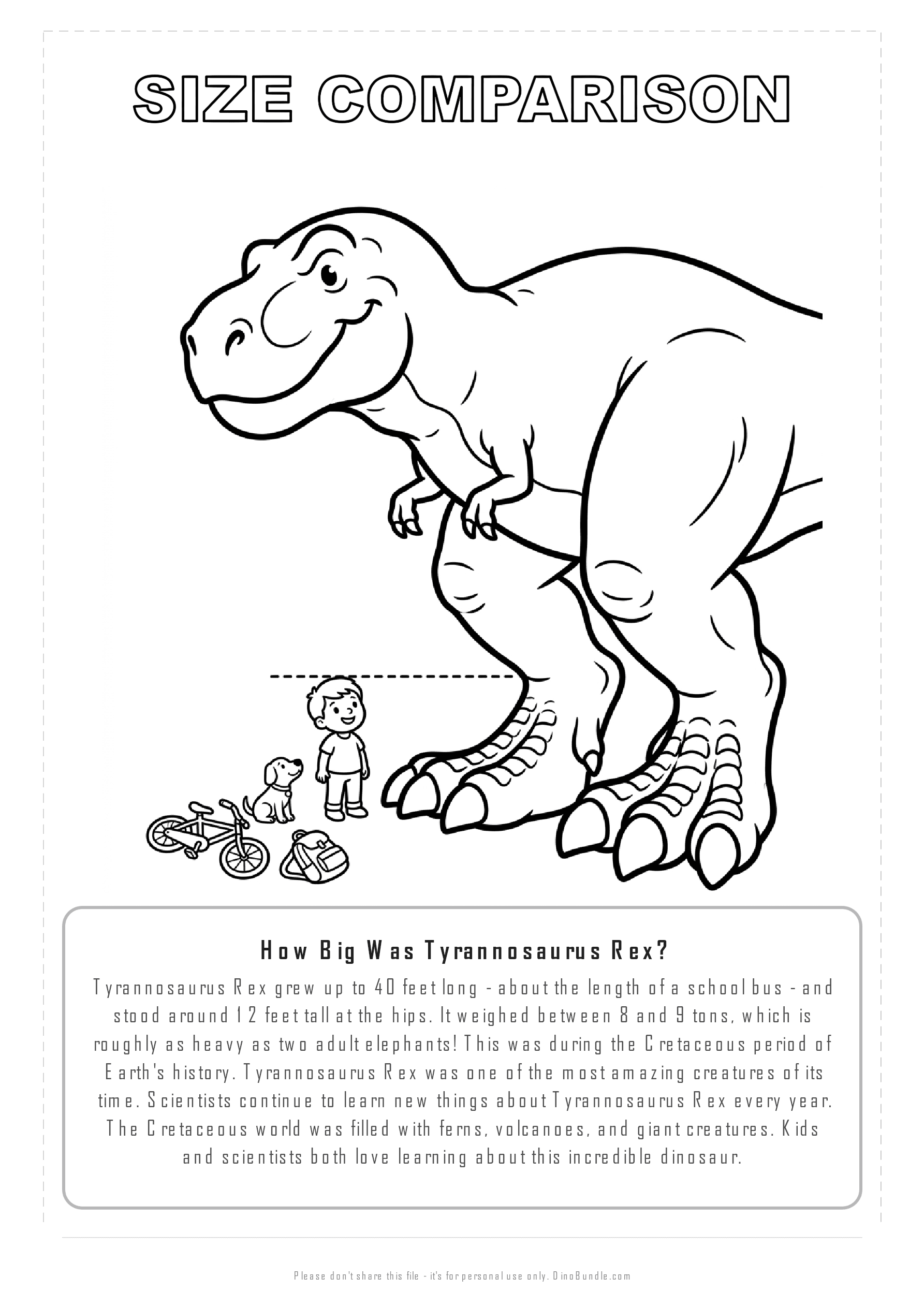
- Fact 3 - How Big It Was: Pterodactyl was actually quite small - most had a wingspan of only about 3.5 feet, roughly the size of a large seagull. It's much smaller than the giant Pteranodon or the airplane-sized Quetzalcoatlus that came later.
- Fact 4 - Its Superpower: Pterodactyl's wings weren't made of feathers like birds - they were made of a tough, leathery membrane stretched between its elongated fourth finger and its body. This design made it a superb glider and flier! Some fossils even show that Pterodactylus had a small crest on its head, possibly for display or steering during flight.
- Fact 5 - Where It Was Found: The very first Pterodactyl fossil was discovered in the Solnhofen limestone of Bavaria, Germany, in 1784. These incredibly well-preserved fossils show every detail of the wing membrane and even the tiny claws on its wing fingers. It was one of the first prehistoric flying reptiles ever described by scientists!
What's Inside This Free Pterodactyl Printable Pack
This five-page activity pack is designed to make learning about Pterodactyl hands-on and soaring with fun. Each page takes your child on a different prehistoric adventure.
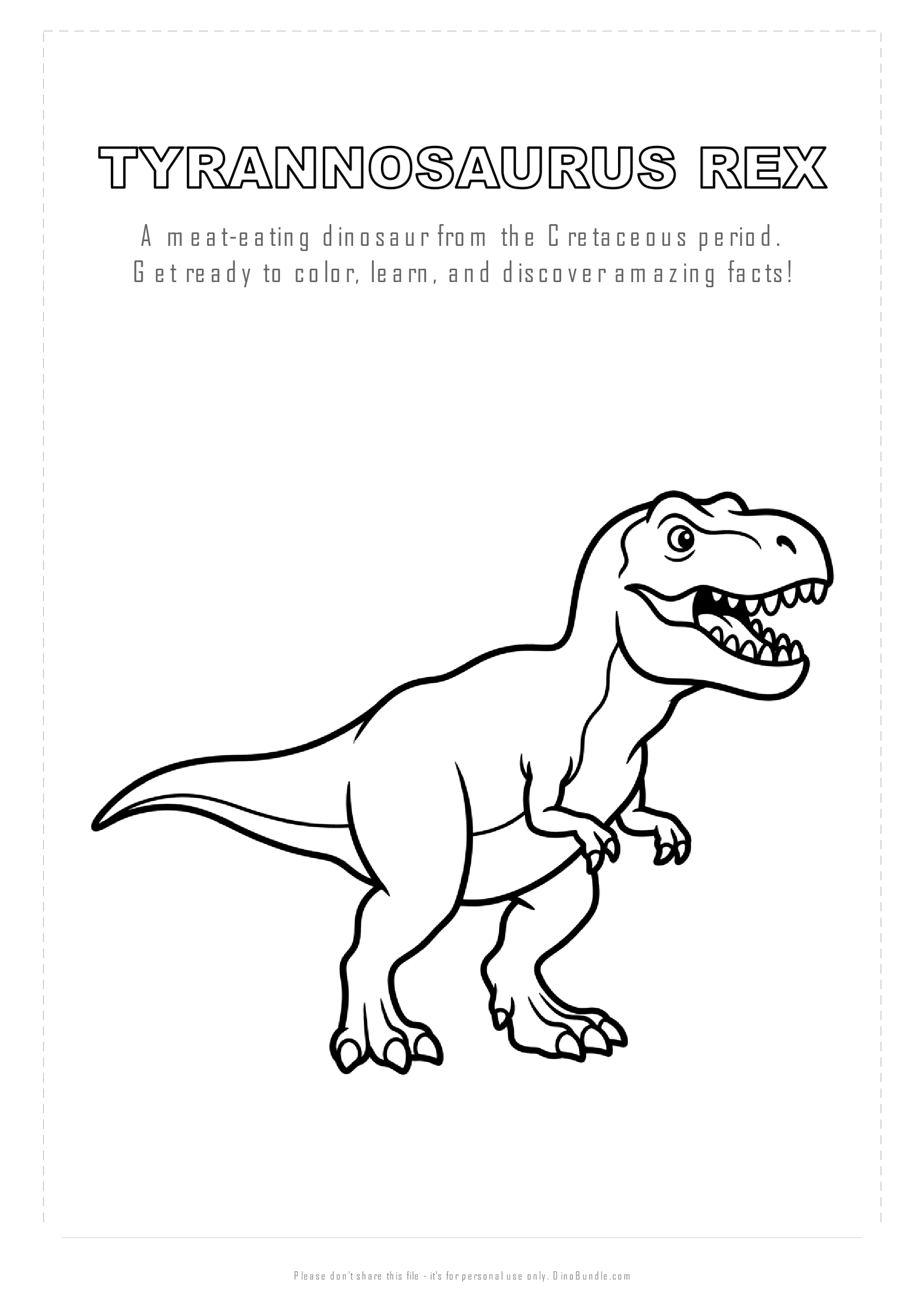
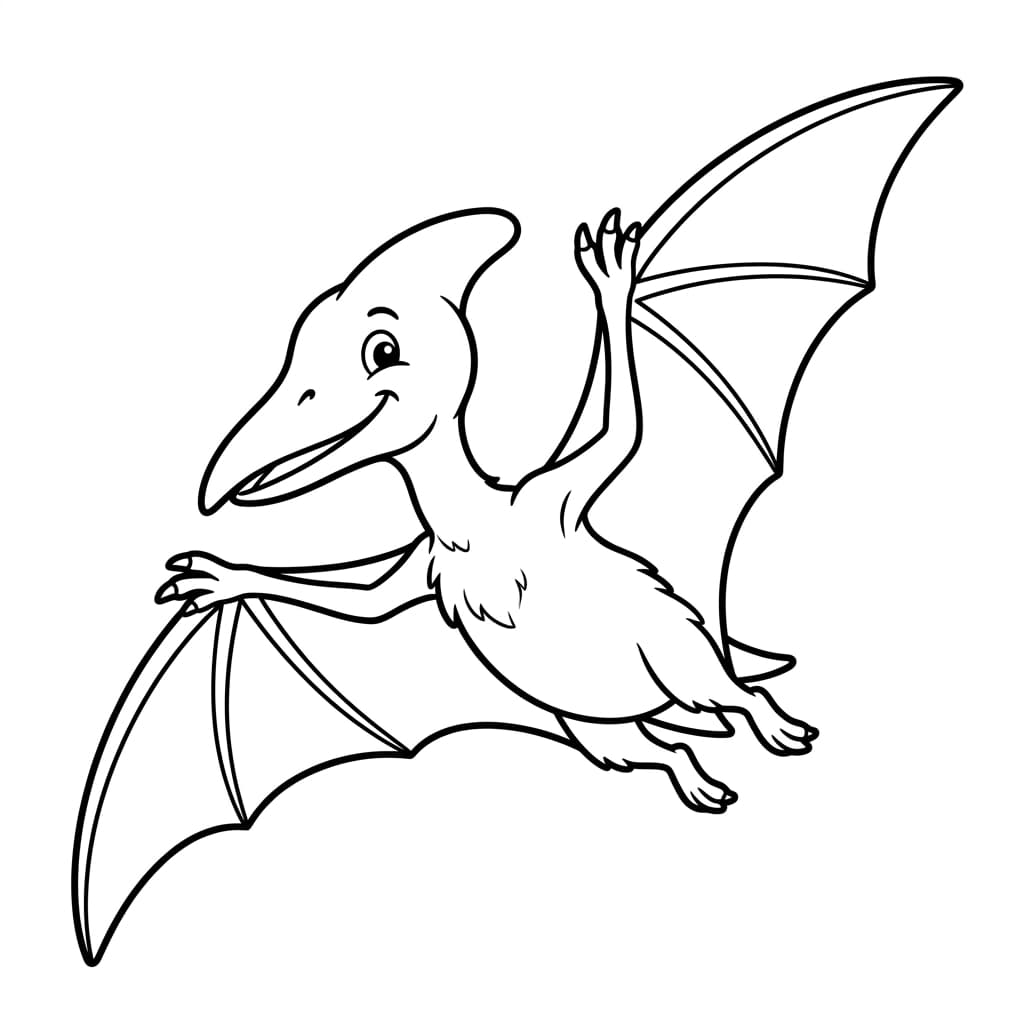
- Page 1 - Meet the Pterodactyl: A big, beautiful coloring page of Pterodactyl in all its winged glory. Your child will love bringing this flying reptile to life while learning to recognize its leathery wings, long beak, and distinctive head crest.
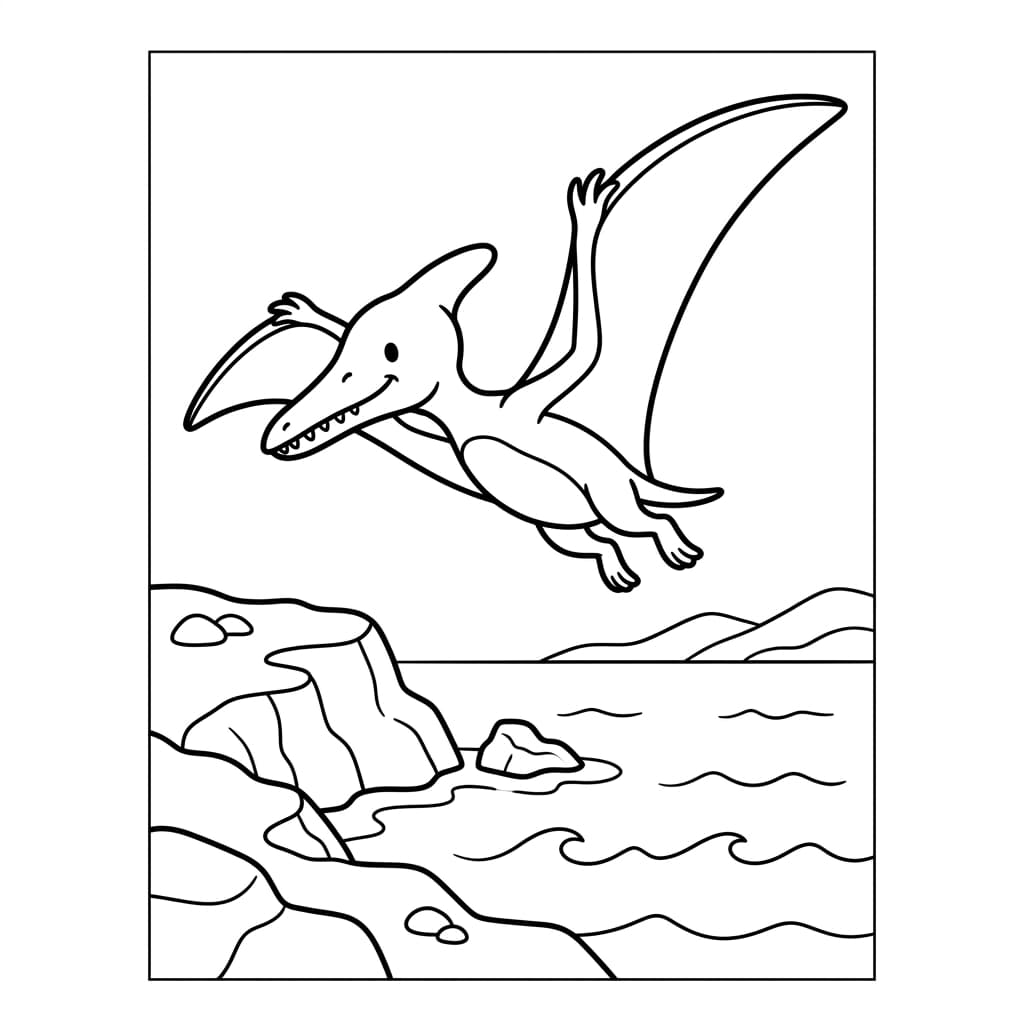
- Page 2 - Pterodactyl's World: Travel back in time to the Jurassic coast! This habitat scene shows Pterodactyl soaring above rocky cliffs and an ancient sea, teaching where and how these flying reptiles lived.
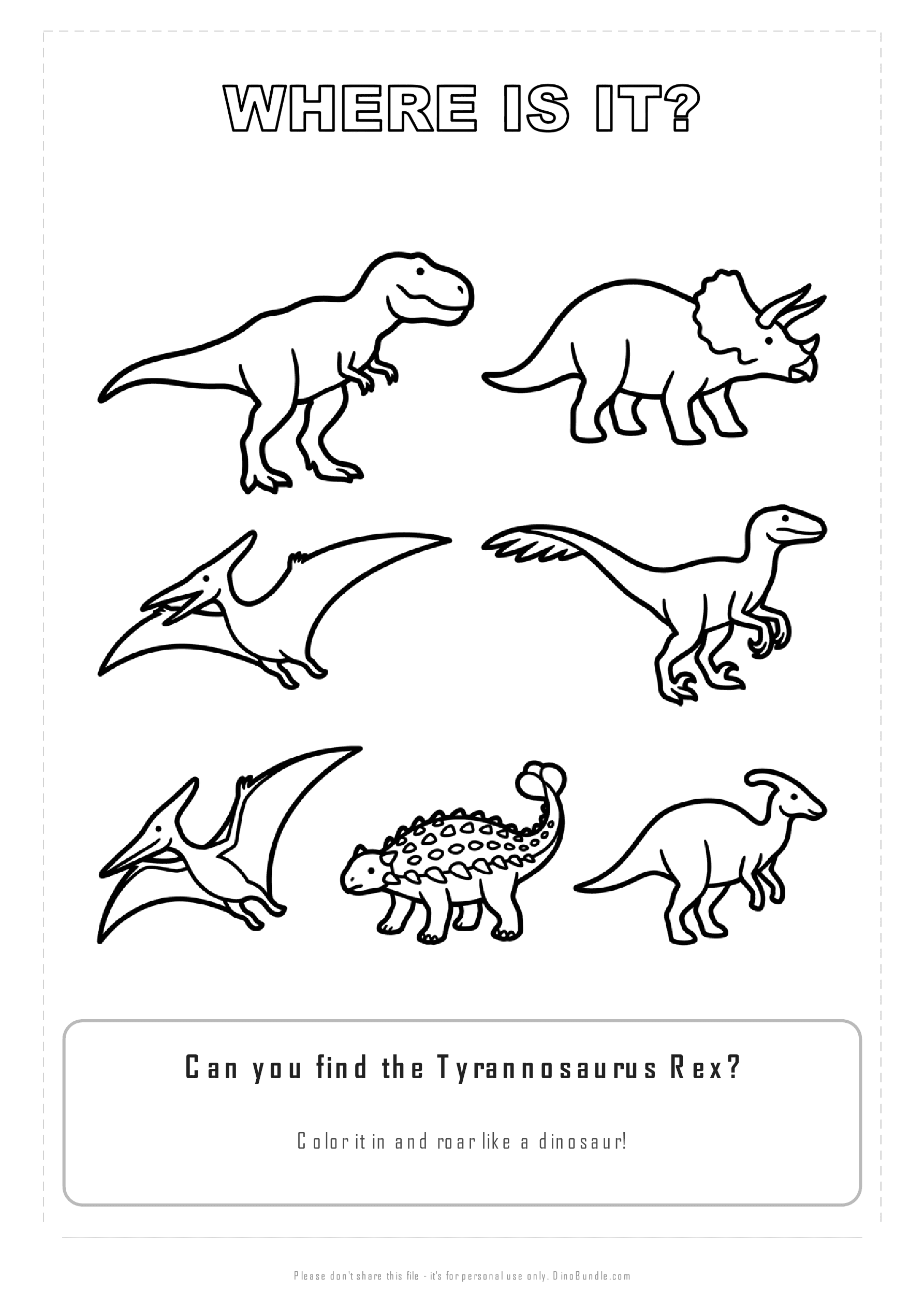
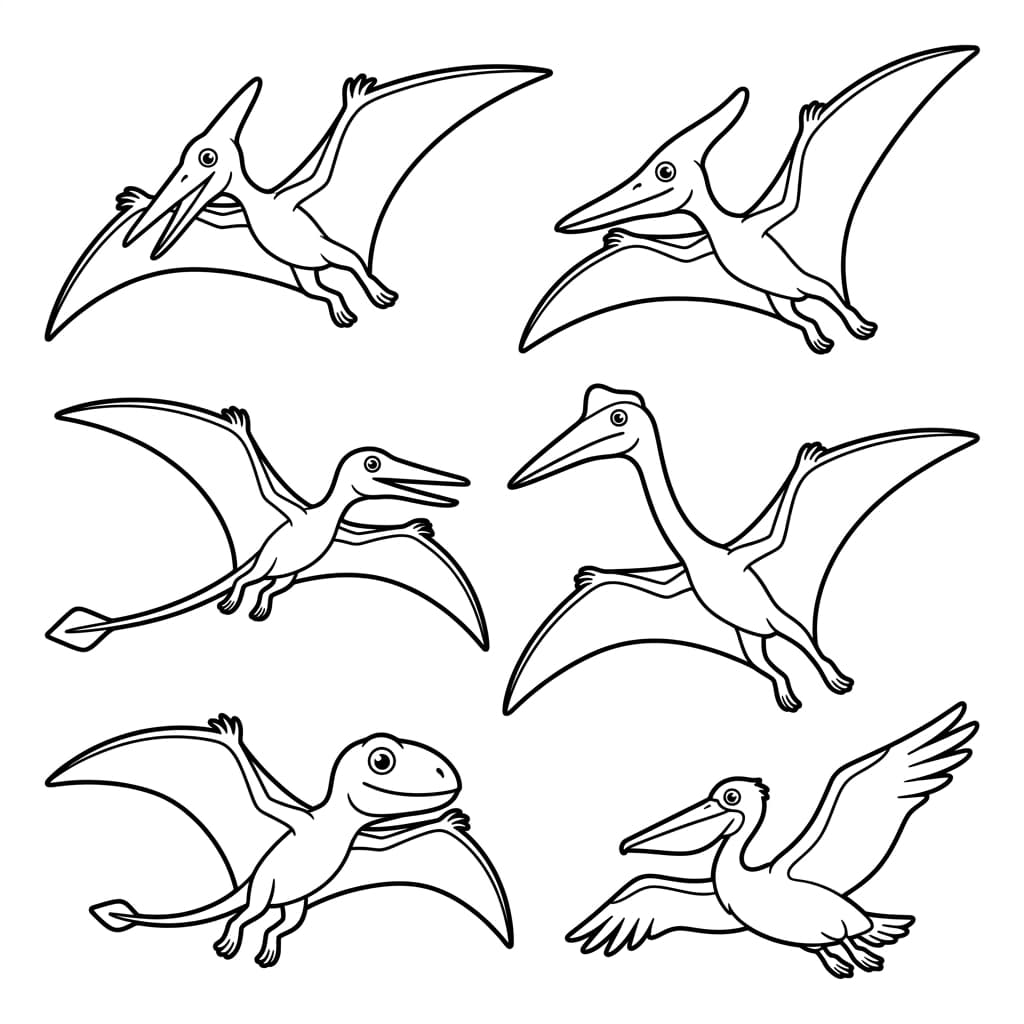
- Page 3 - Find the Pterodactyl: A fun "spot the flyer" challenge! Can your child pick out the Pterodactyl from a group of similar pterosaur and bird silhouettes? This builds observation skills and teaches the difference between flying reptiles and birds.
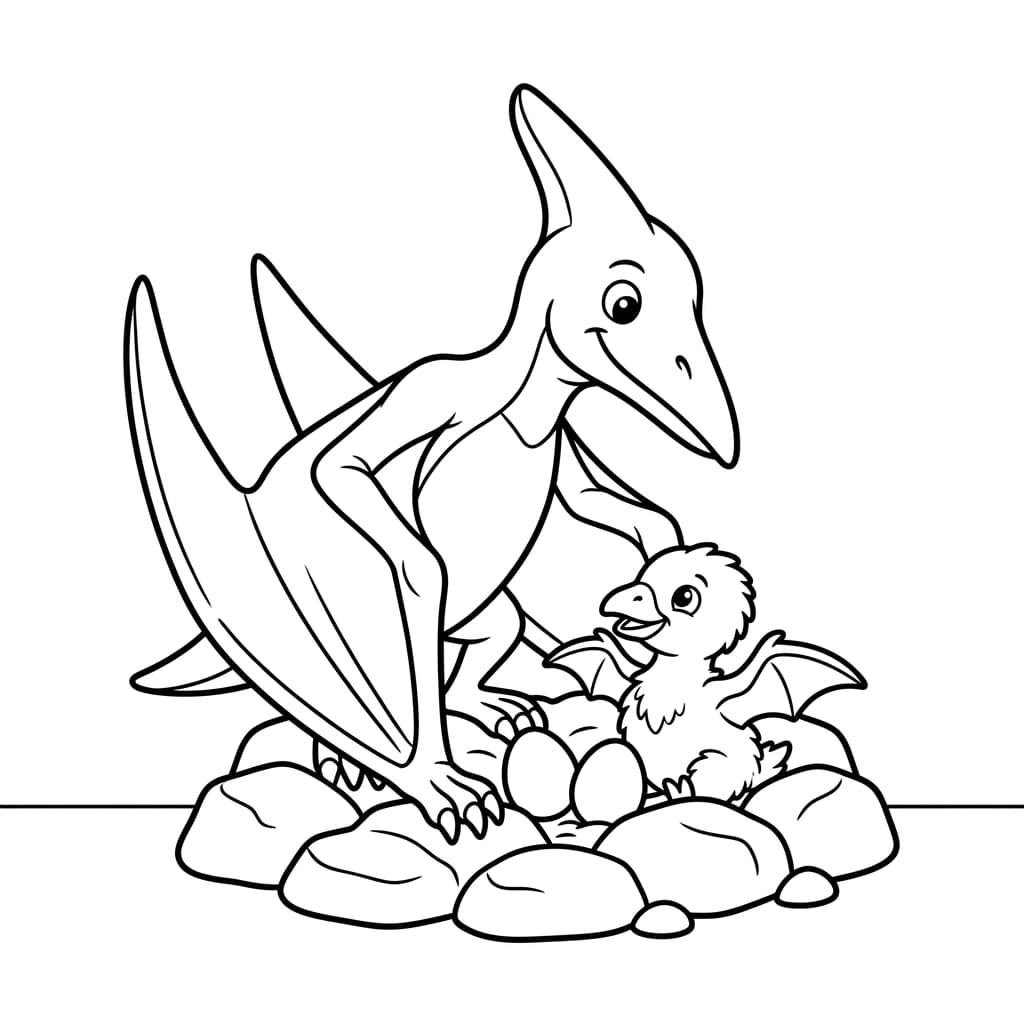
- Page 4 - Dino Family: A heartwarming scene of an adult Pterodactyl caring for its egg and baby hatchling. Kids connect emotionally when they see prehistoric creatures as nurturing families.
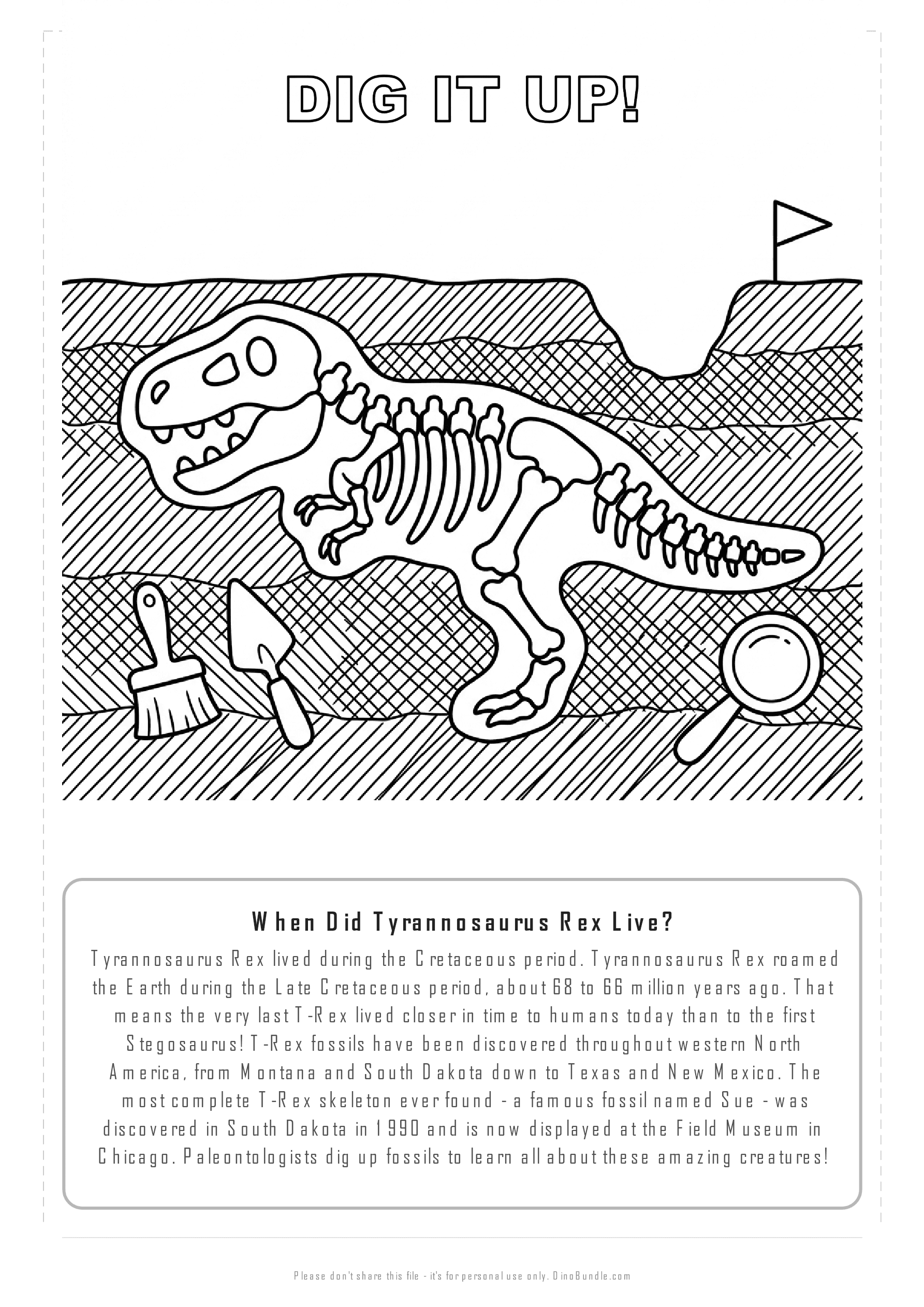
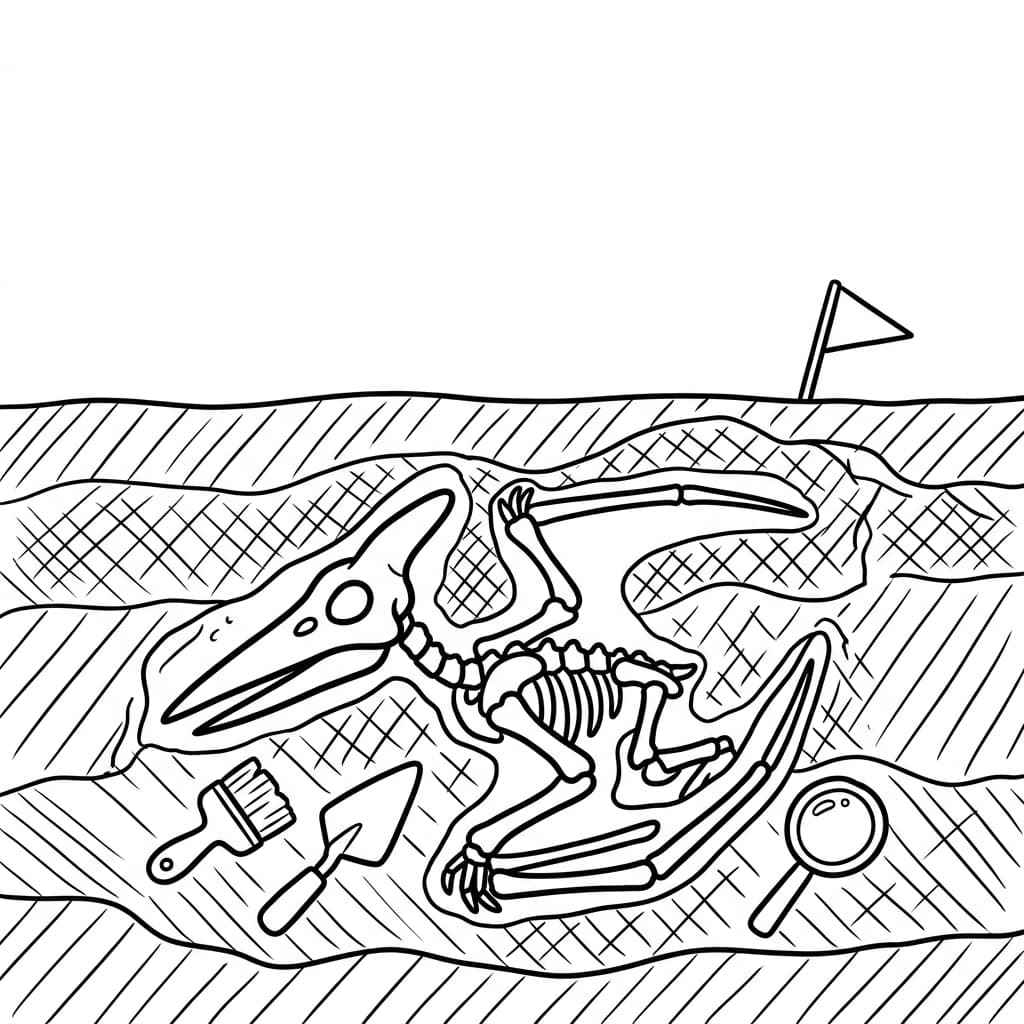
- Page 5 - Dig It Up!: Become a paleontologist! This fossil dig scene shows the Pterodactyl skeleton being uncovered in limestone, with its delicate wing bones clearly visible. It introduces kids to the science of fossil discovery.
How Dinosaur Coloring Pages Build Real STEM Skills
When your child sits down to color a Pterodactyl, they're doing much more than filling in shapes - they're building real cognitive and motor skills that lay the foundation for future learning. Dinosaur and prehistoric creature coloring activities develop observation skills as kids study the shapes and features of each species. They build scientific vocabulary naturally: words like "pterosaur," "membrane," "wingspan," and "Jurassic" become part of everyday conversation. Coloring within lines strengthens fine motor control - the same muscles used for handwriting. And when kids compare different flying creatures (like spotting the Pterodactyl among other pterosaurs on Page 3), they're practicing classification and pattern recognition, fundamental scientific skills. Plus, learning that Pterodactyl is NOT actually a dinosaur teaches the important scientific concept of classification!
"Research shows that children who engage with science topics through hands-on creative activities - including coloring, drawing, and imaginative play - develop stronger observation skills and are more likely to pursue STEM interests later in life. Prehistoric creatures are the perfect hook: they're exciting, they're accessible, and they naturally lead to questions about biology, geology, and Earth's history."
5 Ways to Use This Pterodactyl Printable at Home
Here are five practical, screen-free activities you can try with your little flying reptile fan:
- Pair it with a dino documentary - watch a kid-friendly prehistoric show, then color the Pterodactyl pages while talking about how flying reptiles are different from dinosaurs and birds.
- Make a "Prehistoric Creature of the Week" tradition - print one pack each week and build a binder of prehistoric knowledge. Pterodactyl makes a soaring start!
- Create a flying reptile mobile - after coloring, cut out the Pterodactyl and hang it from the ceiling with string to "fly" in your child's room alongside other colored prehistoric creatures.
- Use it in the classroom - perfect for dinosaur and prehistoric life units, science centers, and quiet-time activities for preschool and kindergarten (ages 3-6).
- Take it to a museum - bring the colored pages to a natural history museum and look for pterosaur fossils. Compare Pterodactyl's wings to bird and bat wings!
Download Your Free Pterodactyl Facts and Coloring Pages
Ready to take flight? These pterodactyl coloring pages and facts for kids are completely free - just enter your email below and you'll get instant access to the full 5-page printable PDF. No spam, no strings attached - just high-quality educational printables made by parents who love prehistoric creatures as much as your kids do. This page is part of the Ultimate Dino Bundle, a collection of over 100 dinosaurs with coloring pages, fun facts, and activities for one small price - but this Pterodactyl pack is yours absolutely free. Your little paleontologist is going to love soaring through the Jurassic skies!