Free Saurolophus Facts & Coloring Pages for Kids
Why Kids Love Learning About Saurolophus
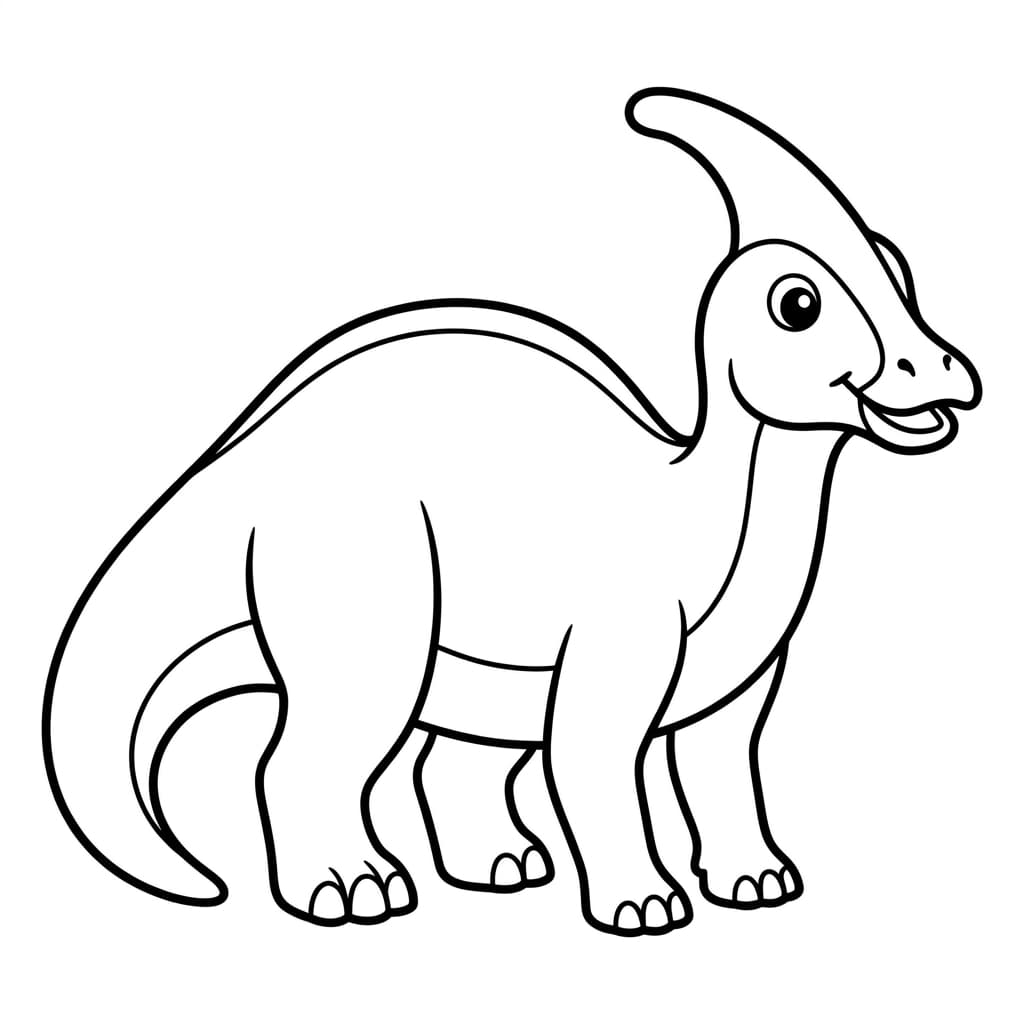
Saurolophus coloring pages and facts for kids introduce children to one of the most elegant duck-billed dinosaurs that ever lived. With its distinctive solid crest sweeping backward from the top of its head, Saurolophus looks like it is wearing a natural crown - and kids absolutely love that royal look. Saurolophus was a large hadrosaur from the Late Cretaceous period, growing up to 12 meters long, and its unique spike-like crest makes it instantly recognizable among the duck-billed dinosaur family. When children see a Saurolophus for the first time, they immediately notice that special crest and want to know what it was for.
Dinosaurs are the ultimate gateway to science for young children. When a child becomes fascinated with Saurolophus, they are not just learning about one dinosaur - they are opening the door to understanding evolution, adaptation, anatomy, and the incredible history of life on Earth. The hadrosaurs, or duck-billed dinosaurs, were among the most successful plant-eaters of the Cretaceous period, and Saurolophus represents this amazing group perfectly. Every coloring page, every fact absorbed, and every question asked builds the foundation for a lifelong love of learning.
Amazing Saurolophus Facts Every Kid Should Know
Saurolophus was a giant among duck-billed dinosaurs with some truly remarkable features. Here are five fascinating Saurolophus facts that will spark any child's imagination:
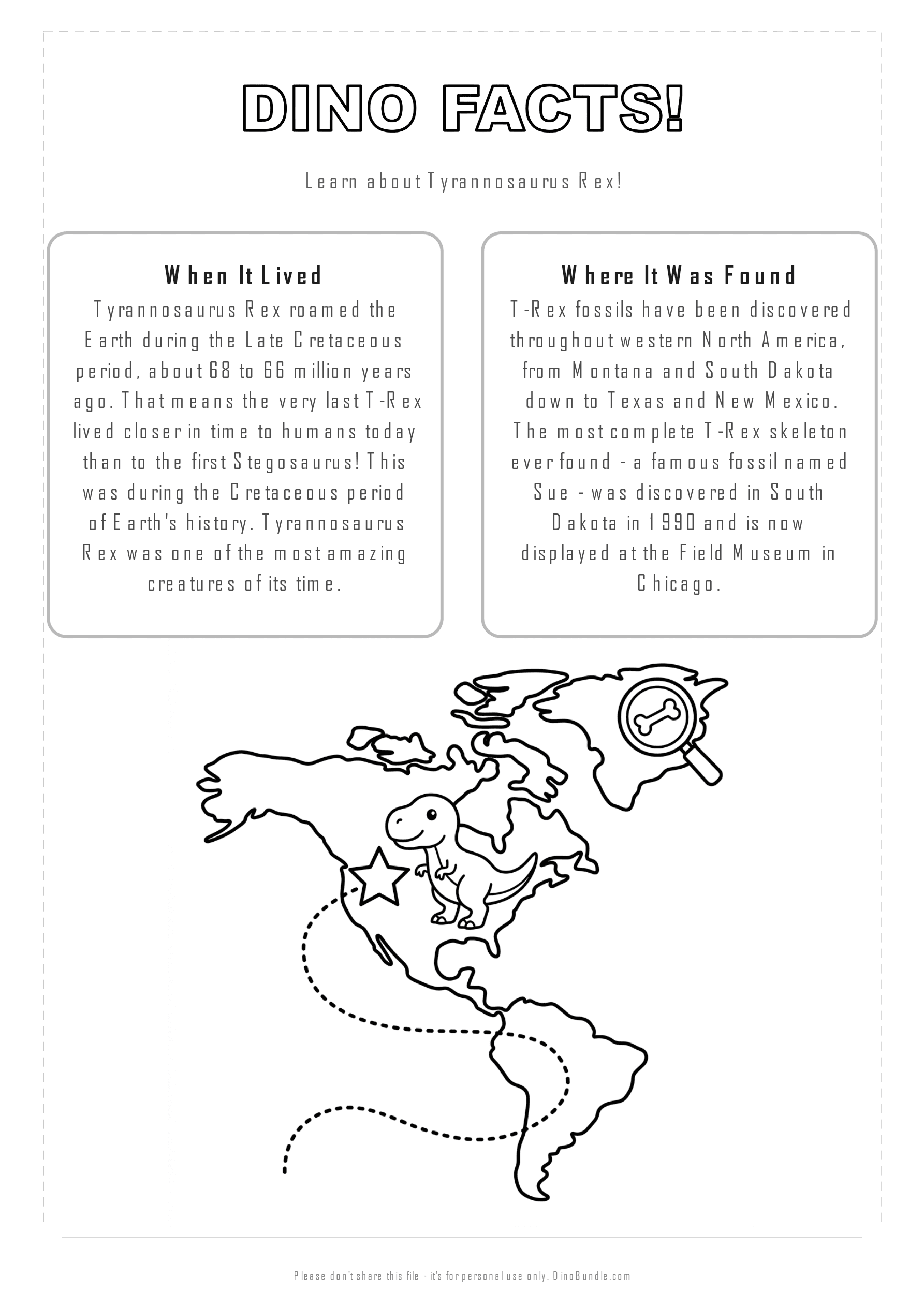
- Fact 1 - When It Lived: Saurolophus roamed the Earth during the Late Cretaceous period, about 70 to 66 million years ago. It was one of the last dinosaurs to live before the great extinction event that ended the age of dinosaurs.
- Fact 2 - What It Ate: Saurolophus was a herbivore, which means it ate plants. With its wide, flat duck-like beak, it could crop and chew tough prehistoric vegetation like conifer needles, twigs, and leaves. It had hundreds of tightly packed teeth in its jaws that acted like a natural grinding machine.
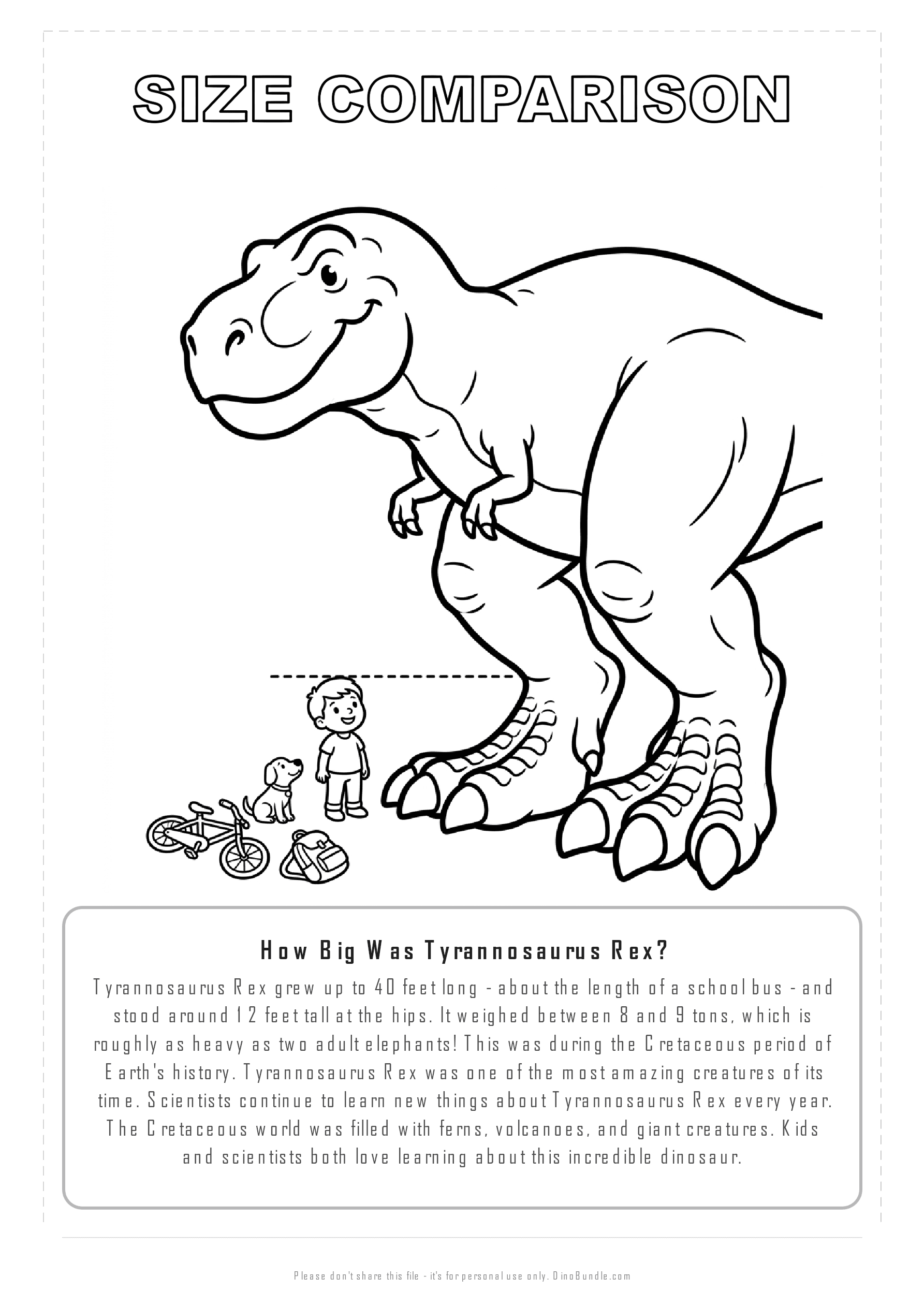
- Fact 3 - How Big It Was: Saurolophus grew up to 9 to 12 meters (30 to 40 feet) long and weighed as much as 3 to 4 tons - about the weight of a small elephant or a large pickup truck. It could walk on two legs to run and reach high branches, or on all fours to graze on low plants.
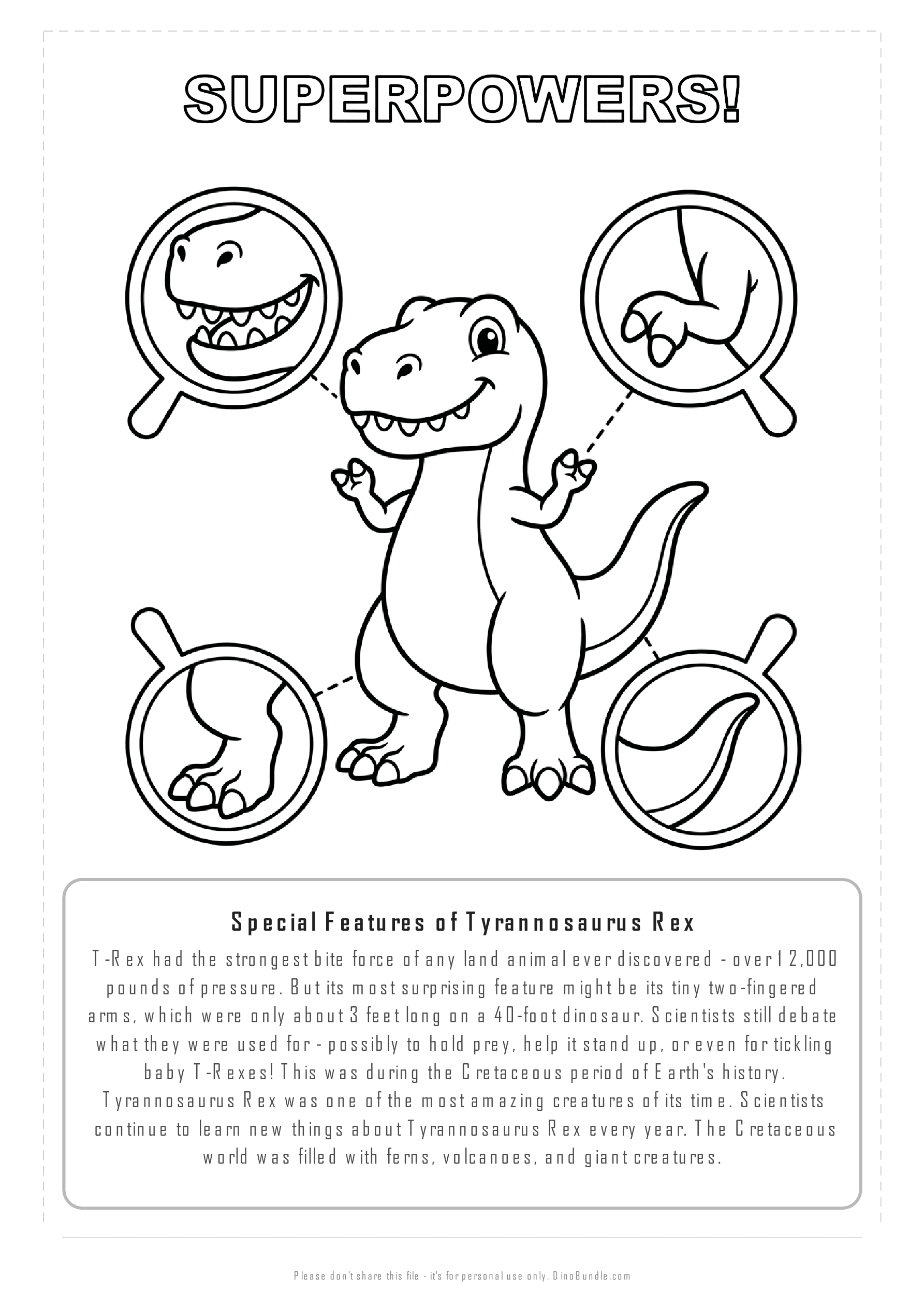
- Fact 4 - Its Superpower: The solid bony crest on top of Saurolophus's head is what makes it truly special. Unlike the hollow crest of its cousin Parasaurolophus, the Saurolophus crest was made of solid bone and pointed backward like a small horn. Scientists believe this crest may have been used for display - to attract mates or recognize members of its own species - like a natural name tag that said "I am a Saurolophus!"
- Fact 5 - Where It Was Found: Saurolophus fossils have been discovered in two places - Alberta, Canada and Mongolia, Asia. This makes Saurolophus one of the few dinosaurs known to have lived on two different continents, showing how widespread and successful these duck-billed dinosaurs were.
What's Inside This Free Saurolophus Printable Pack
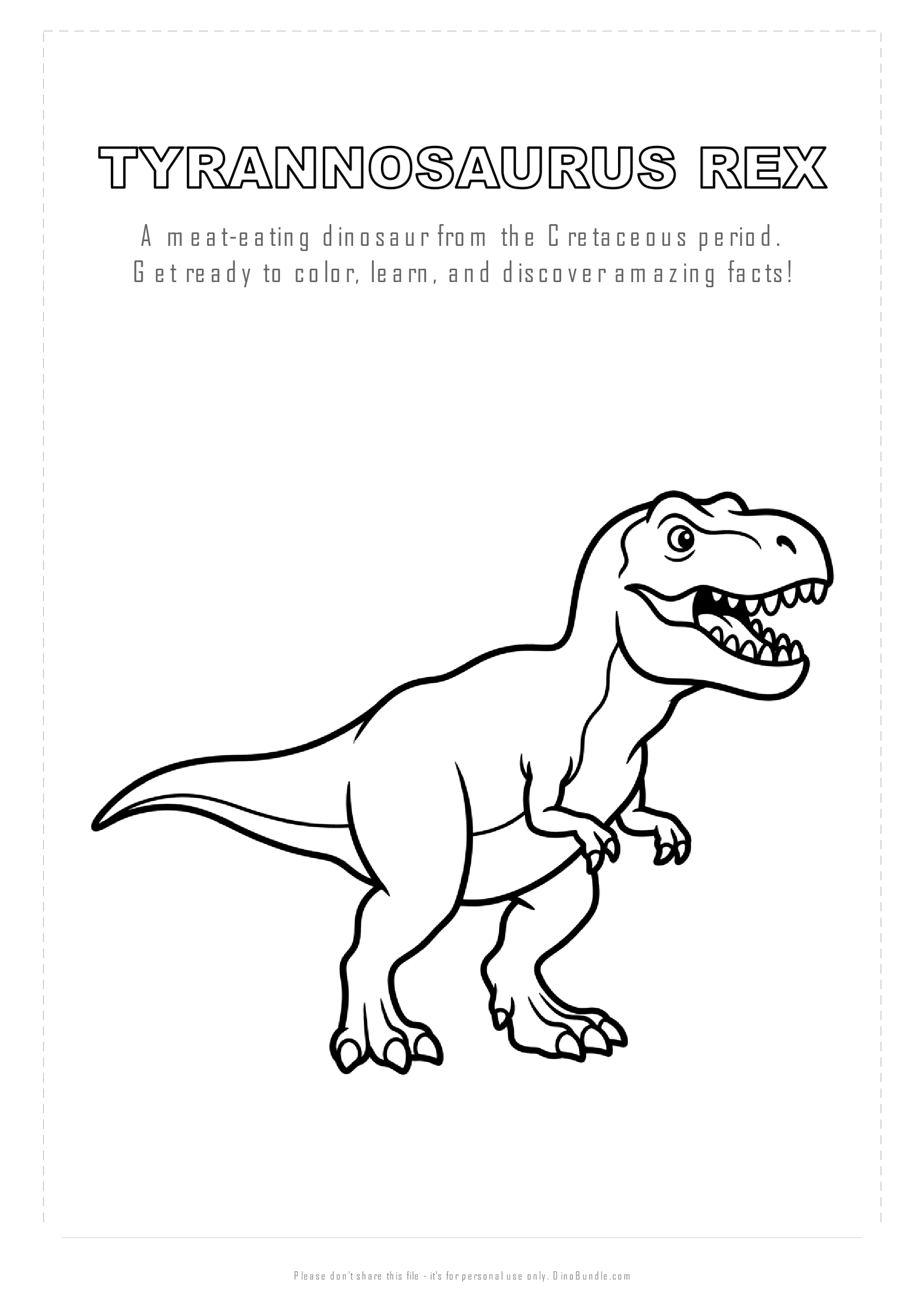
This Saurolophus printable pack gives your child five exciting activity pages, each designed to teach something new about this magnificent crested dinosaur while providing hours of creative coloring fun. Each page builds naturally on the previous one, taking your child on a complete journey from first meeting to real paleontology:
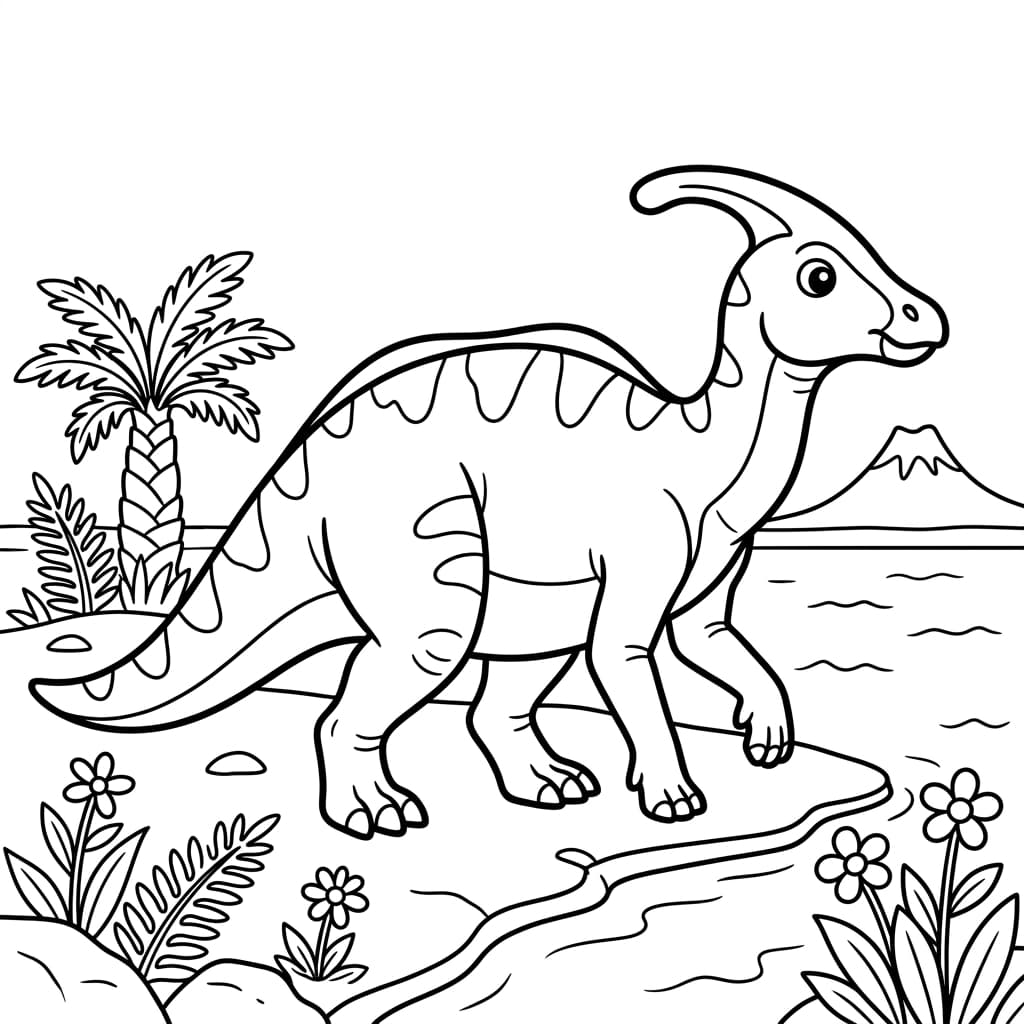
- Page 1 - Meet the Saurolophus: A big, beautiful coloring page of Saurolophus in all its glory. Your child will love bringing this dinosaur to life with their favorite colors while learning to recognize its most famous feature - the solid spike-like crest that sweeps backward from the top of its head.
- Page 2 - Saurolophus's World: Travel back in time to see where Saurolophus lived! This habitat scene shows the prehistoric world of the Cretaceous period near a lake or river, with flowering plants, ferns, and the landscape where these duck-billed giants once roamed.
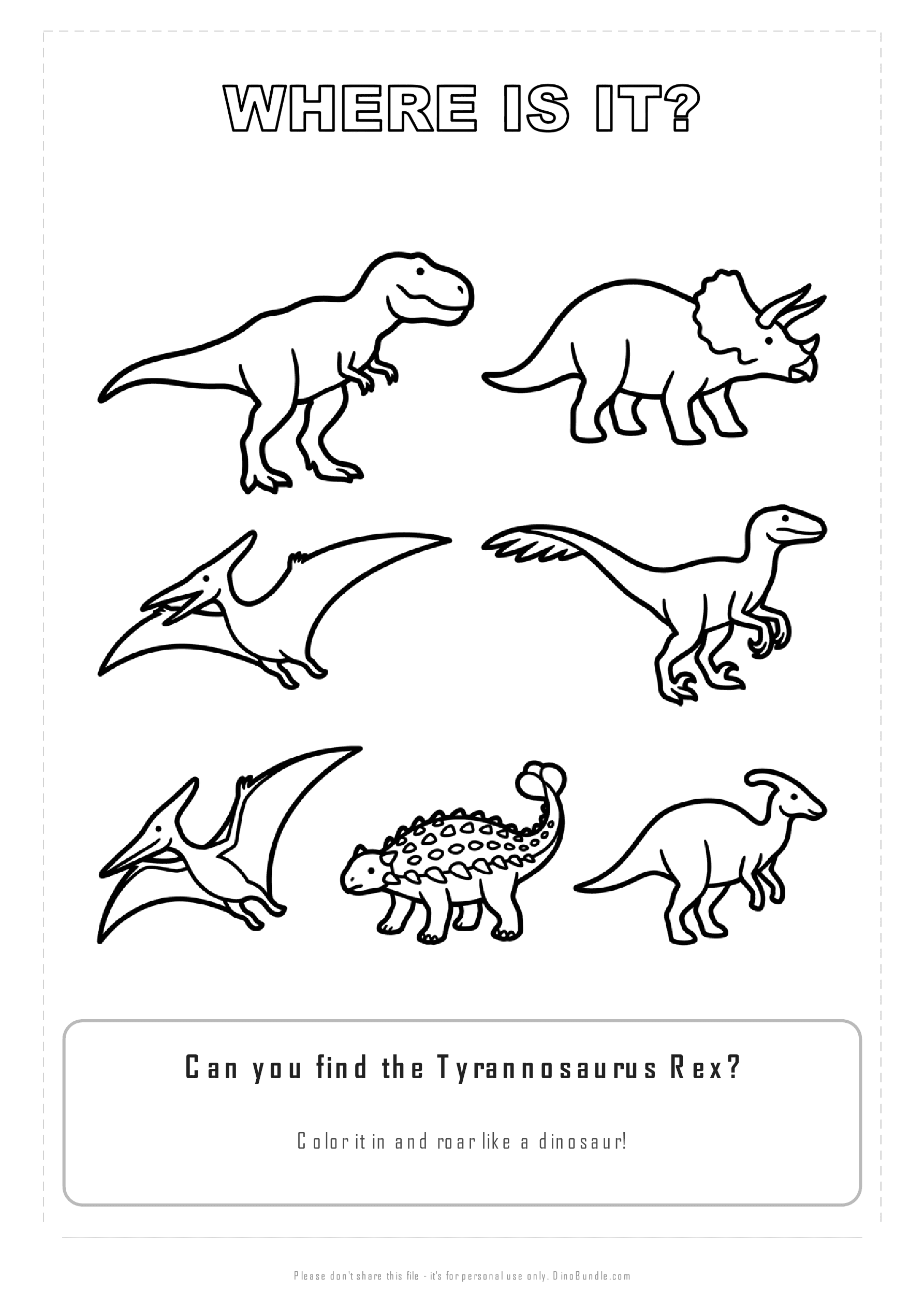
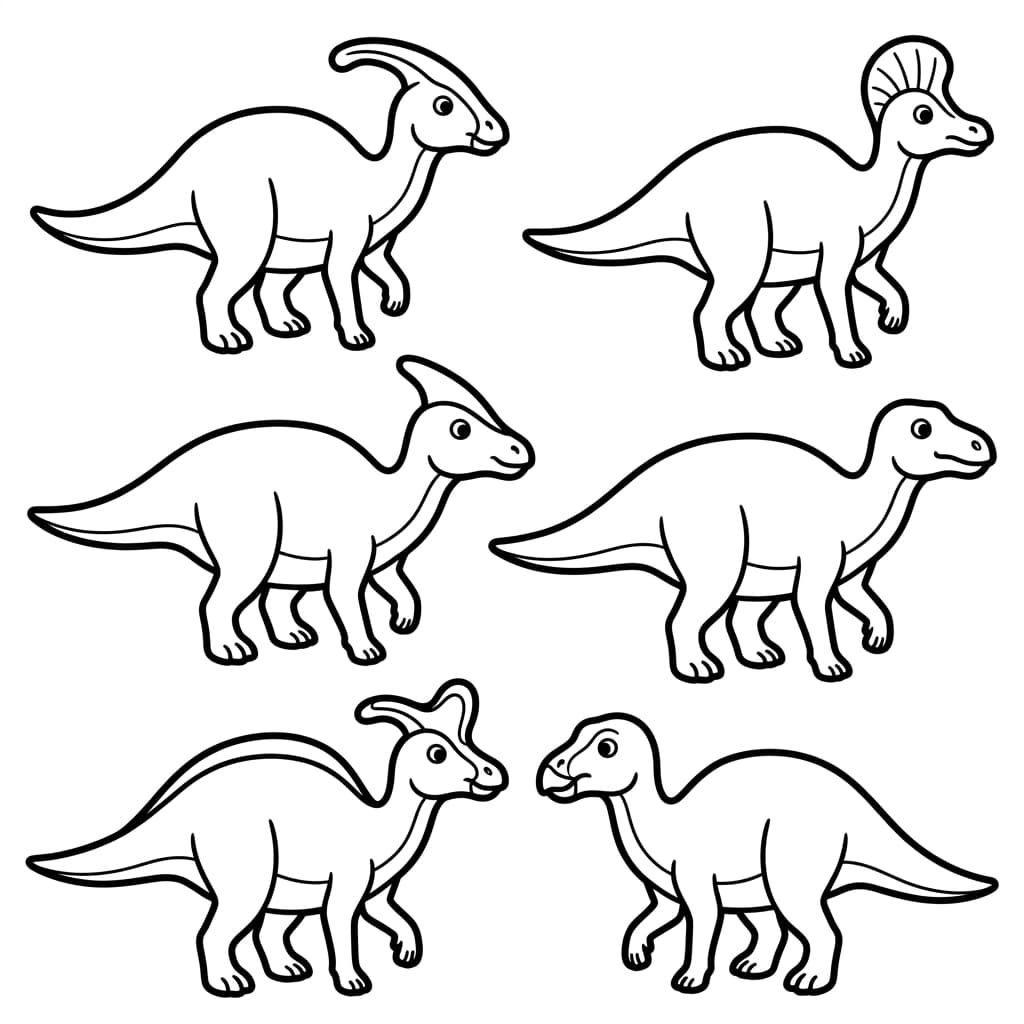
- Page 3 - Find the Saurolophus: A fun "spot the dinosaur" challenge! Can your child pick out the Saurolophus from a group of similar hadrosaur silhouettes, including Parasaurolophus and Corythosaurus? This builds observation skills and species knowledge.
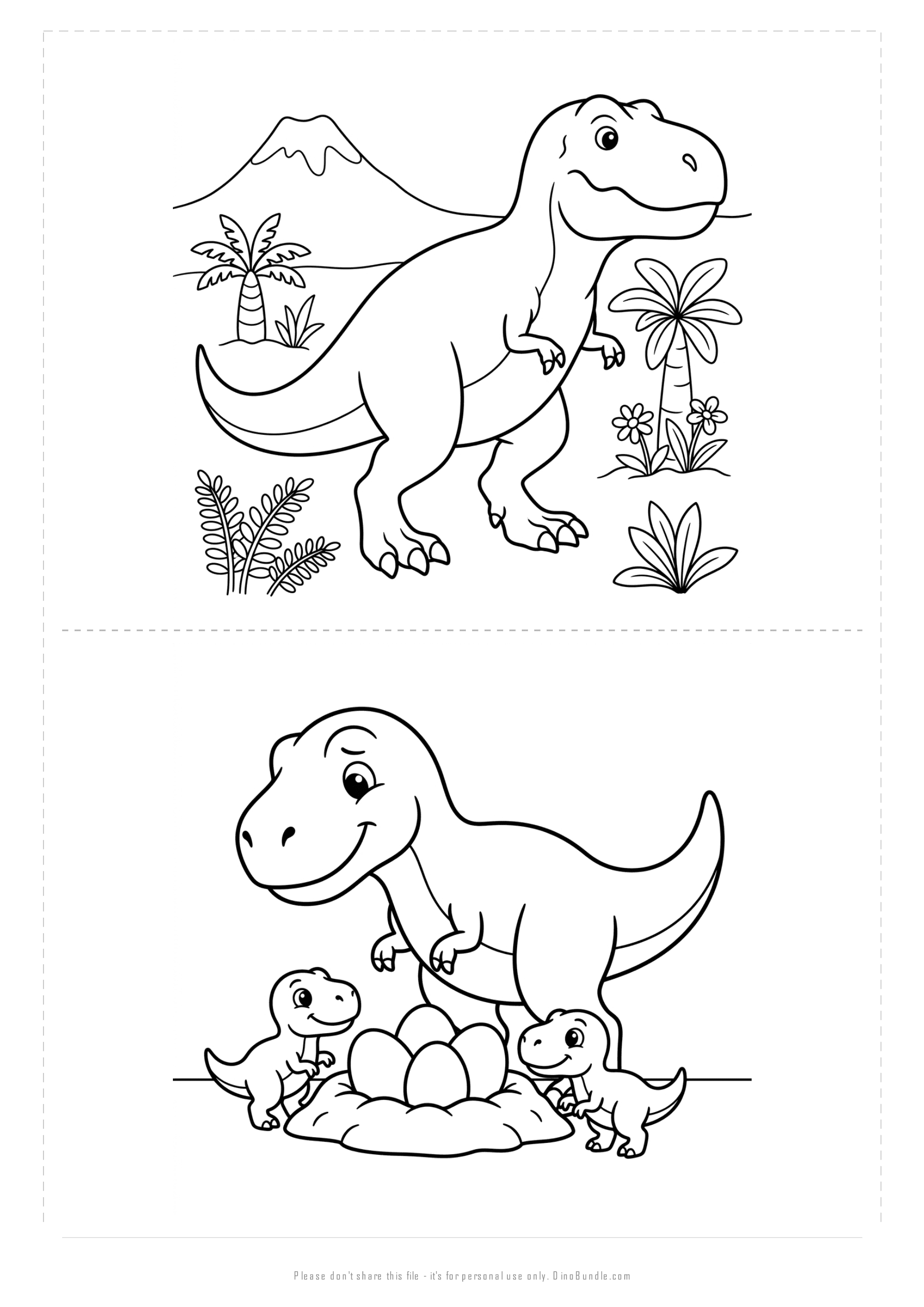
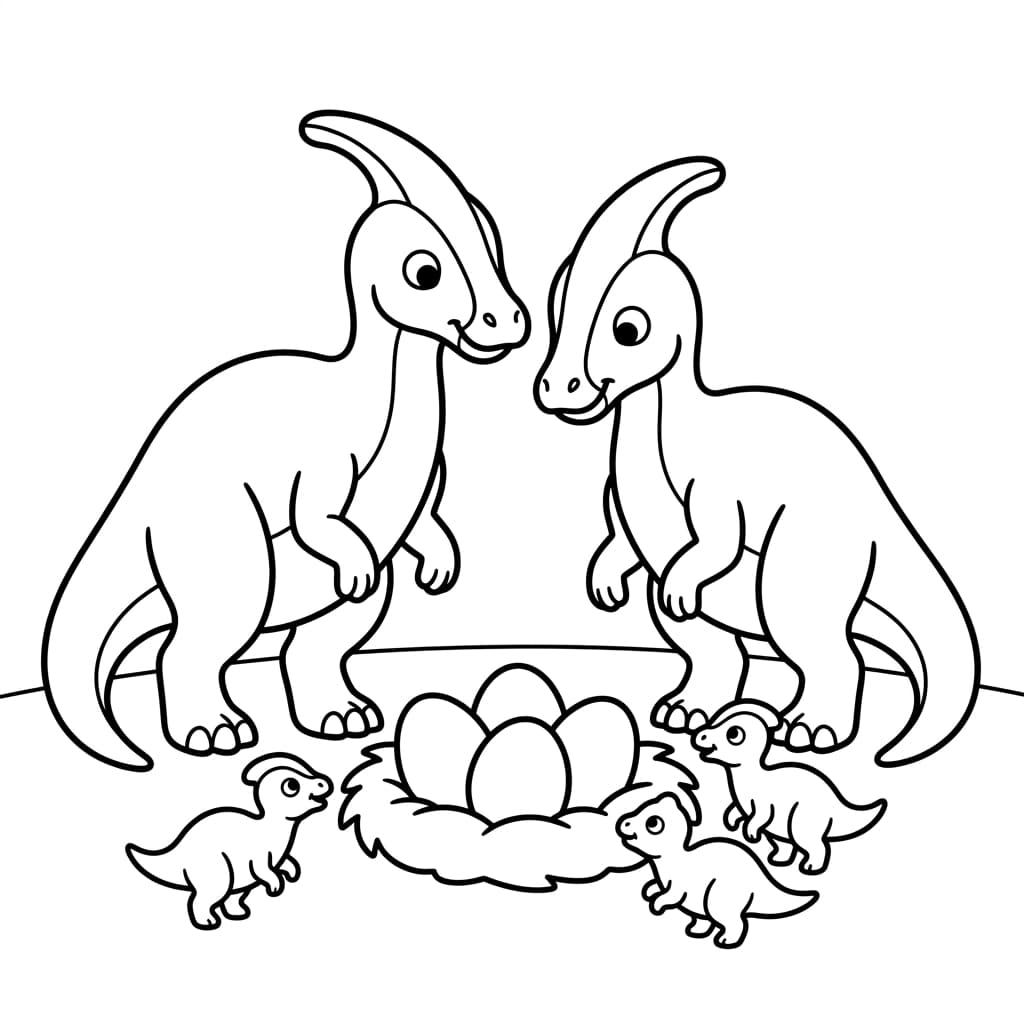
- Page 4 - Dino Family: A heartwarming scene of Saurolophus parents with their eggs and baby hatchlings. Hadrosaurs lived in herds and cared for their young, making this family scene both scientifically accurate and emotionally engaging for kids.
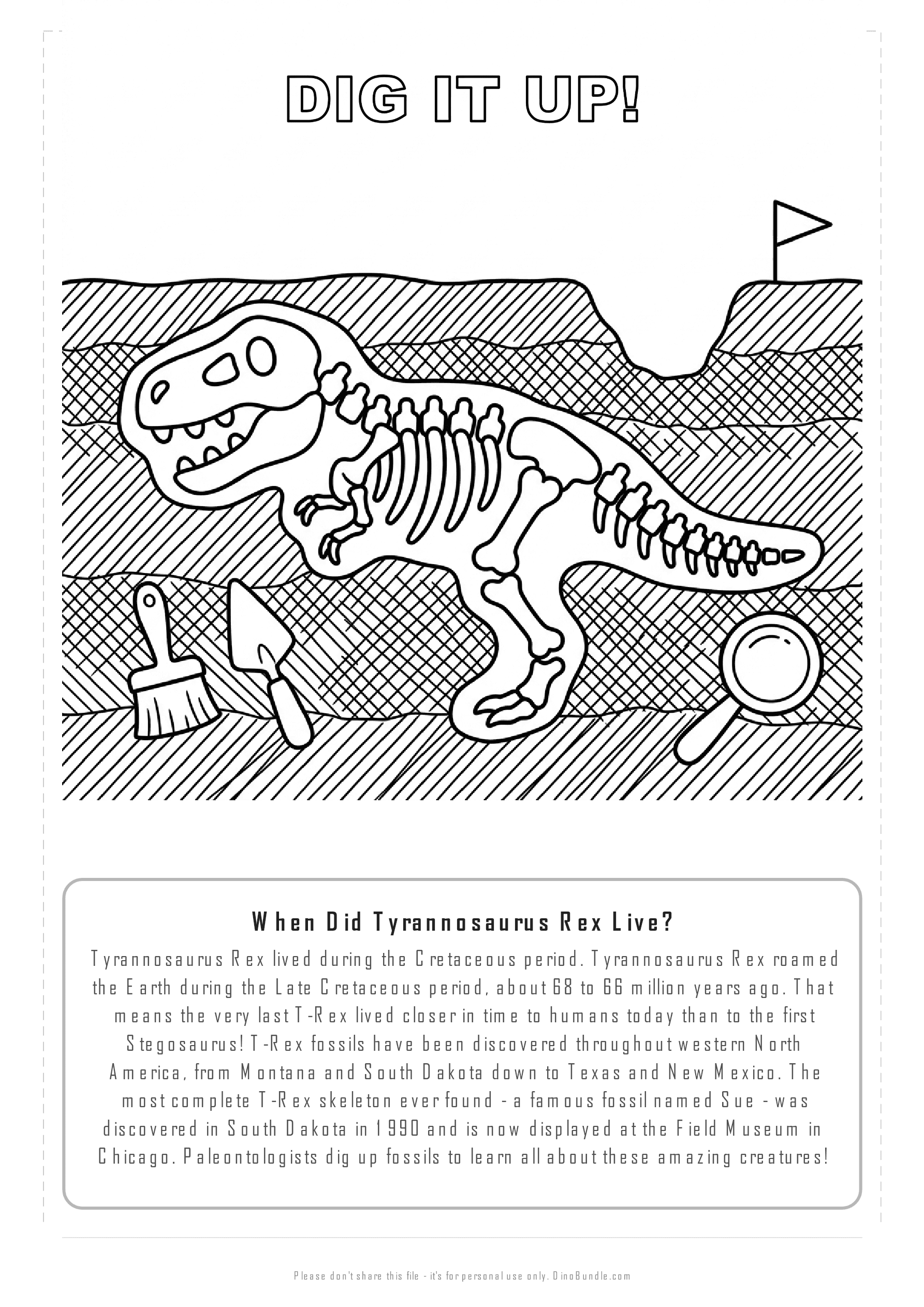
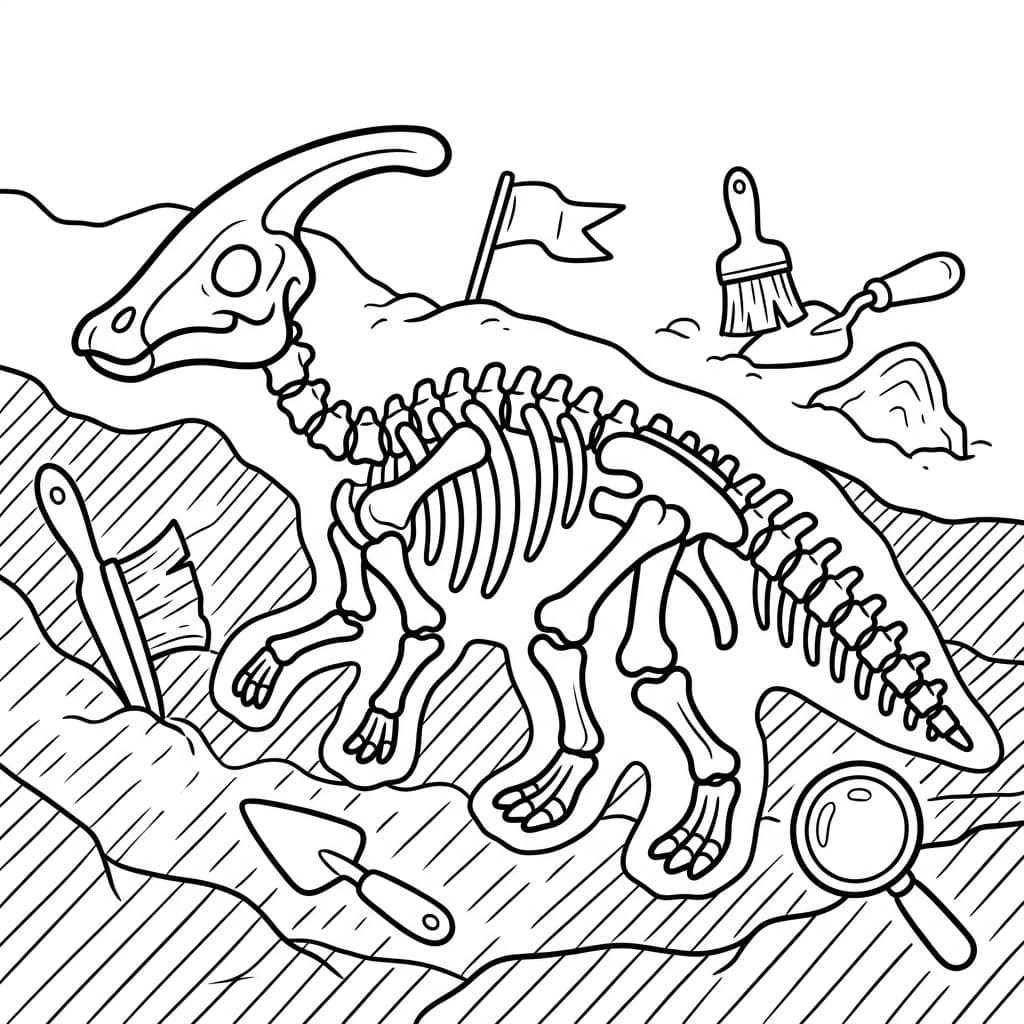
- Page 5 - Dig It Up!: Become a paleontologist! This fossil dig scene shows the Saurolophus skeleton being uncovered, with its distinctive crested skull clearly visible in the excavation. It introduces kids to the science of fossil discovery.
How Dinosaur Coloring Pages Build Real STEM Skills
When your child sits down to color Saurolophus, they are exercising far more than just their creativity. Dinosaur coloring activities build essential skills that form the bedrock of scientific thinking. The fine motor control developed by carefully coloring inside the lines translates directly to handwriting, drawing, and eventually precise lab work. Learning to distinguish Saurolophus from other hadrosaurs by its unique crest shape builds classification and observation skills - the same skills scientists use to identify species in the field.
Dinosaurs like Saurolophus also build vocabulary in a uniquely engaging way. Words like "hadrosaur," "Cretaceous," and "herbivore" are big scientific terms, but when a child learns them through the lens of a beloved dinosaur, they stick naturally. More importantly, dinosaurs prompt the kind of curious questions that drive all scientific discovery: What was the crest for? How do we know what it ate? Why did it live in two different places? A child asking these questions about Saurolophus is practicing the same inquiry skills that real paleontologists use in their research every day.
"Research shows that children who engage with science topics through hands-on creative activities - including coloring, drawing, and imaginative play - develop stronger observation skills and are more likely to pursue STEM interests later in life. Dinosaurs are the perfect hook: they are exciting, they are accessible, and they naturally lead to questions about biology, geology, and Earth's history."
5 Ways to Use This Saurolophus Printable at Home
These Saurolophus coloring pages are versatile and can be used in many creative ways. Here are five ideas to get the most out of your printable pack:
- Pair it with a dino documentary - watch a kid-friendly dinosaur show about hadrosaurs or duck-billed dinosaurs, then color the Saurolophus while talking about what makes its crest different from other species.
- Make a "Dino of the Week" tradition - print one dinosaur pack each week and build a binder of dinosaur knowledge. Saurolophus makes a wonderful addition as a "crested dinosaur" representative.
- Create a dinosaur diorama - after coloring, cut out the Saurolophus and build a 3D Cretaceous lakeside habitat in a shoebox with paper ferns, water, and a painted sky.
- Use it in the classroom - perfect for dinosaur units, science centers, and quiet-time activities for ages 3-6. The five-page format fits perfectly into a week-long dinosaur curriculum focused on hadrosaurs.
- Take it to a museum - bring the colored pages to a natural history museum and look for hadrosaur skeletons or duck-billed dinosaur exhibits to compare with your child's artwork.
Download Your Free Saurolophus Facts and Coloring Pages
Your free Saurolophus coloring pages and facts for kids are ready to download and print. Just enter your email address and you will get instant access to all five printable pages - no spam, no strings attached. This page is part of the Ultimate Dino Bundle - 100+ dinosaurs with coloring pages, facts, and activities for one small price. But this Saurolophus pack is completely free, because every child deserves to discover the joy of dinosaurs. Your little paleontologist is going to love coloring this crested wonder and learning all about one of the most elegant duck-billed dinosaurs that ever walked the Earth!