Free Tenontosaurus Facts & Coloring Pages for Kids
Why Kids Love Learning About Tenontosaurus
If you're looking for tenontosaurus facts and coloring pages for kids, you've found the dinosaur with the muscle tail! Tenontosaurus means "sinew lizard," named for the thick, powerful tendons that ran down its back and through its extraordinarily long tail. This medium-sized plant-eater from the Early Cretaceous is best known for one thing: it was the favorite prey of Deinonychus, the real-life raptor that inspired Jurassic Park's Velociraptors. For a young child, Tenontosaurus is the dinosaur that faced the fiercest pack hunters in prehistory - and had to use its powerful tail as a weapon to survive.
Dinosaurs are the gateway to science. Tenontosaurus teaches kids about predator-prey relationships and how animals evolve defenses - in this case, a tail so thick and muscular it could deliver devastating whips to attacking predators.
Amazing Tenontosaurus Facts Every Kid Should Know
This "sinew lizard" was the main prey of some of the smartest, fiercest hunters in dinosaur history. Here are five facts.
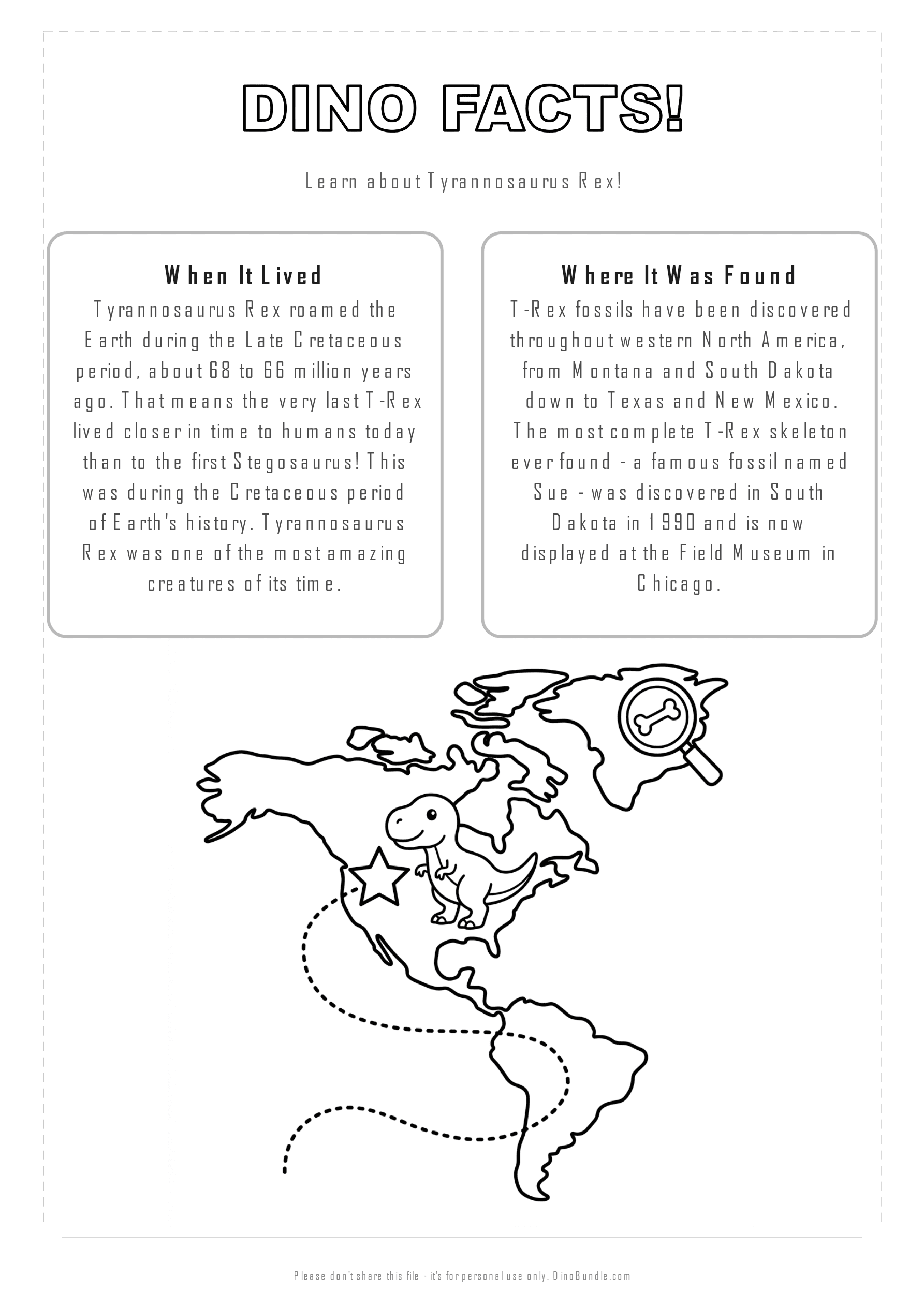
- Fact 1 - When It Lived: Tenontosaurus lived during the Early Cretaceous period, about 115 to 108 million years ago. It roamed the lush, fern-filled floodplains and forests of what is now the western United States - Montana, Wyoming, Texas, and Oklahoma - in a landscape crisscrossed by rivers and dotted with cycads.
- Fact 2 - What It Ate: Tenontosaurus was a herbivore that browsed on ferns, cycads, and low-growing plants. It had a toothless beak at the front of its mouth for snipping vegetation and rows of strong cheek teeth for grinding tough plant material. It could stand on its hind legs briefly, using its heavy tail as a counterbalance to reach higher branches.
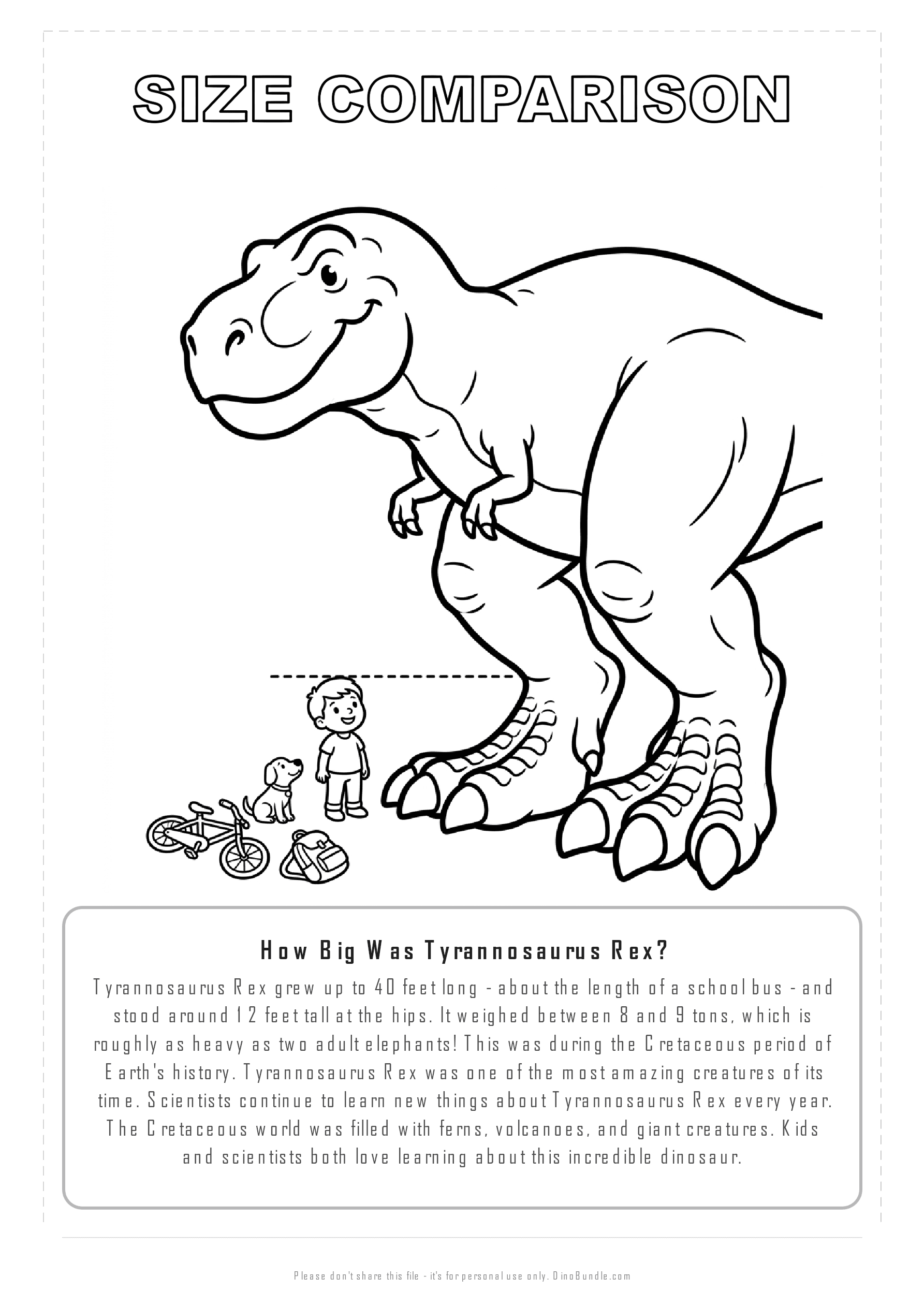
- Fact 3 - How Big It Was: Tenontosaurus grew up to 23 feet long, but more than half of that was its incredible tail! It stood about 6 feet tall at the hips and weighed roughly 1 to 2 tons. Its body was compact, but its tail stretched long and thick - a living whip packed with muscle and sinew.
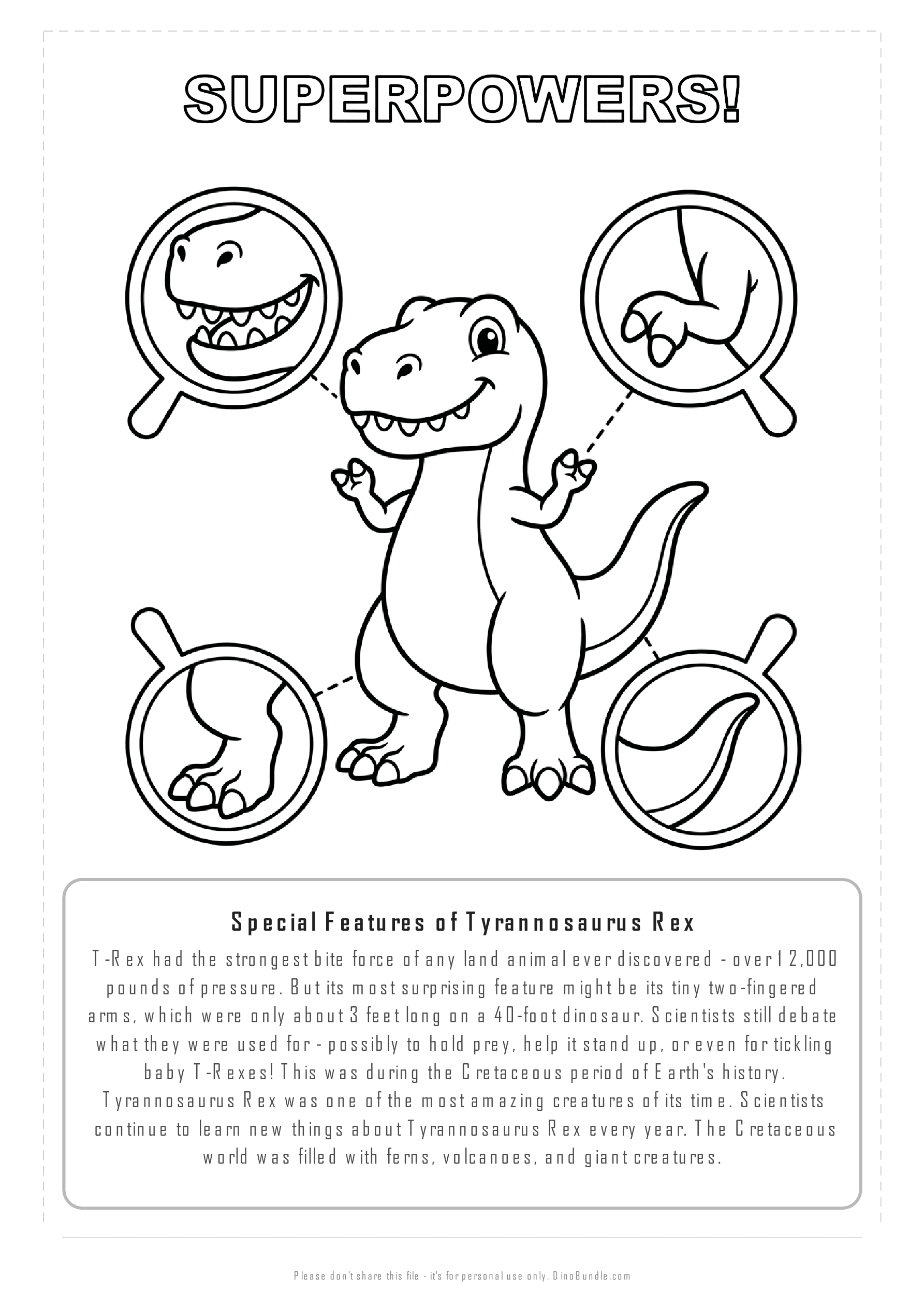
- Fact 4 - Its Superpower: Tenontosaurus shared its world with Deinonychus - pack-hunting raptors with sickle-claws. Multiple fossils have been found with Deinonychus teeth and skeletons nearby, showing they hunted Tenontosaurus regularly. But the "sinew lizard" fought back: its massively powerful tail could whip sideways with incredible force, capable of breaking bones and knocking a raptor off its feet. It was a dinosaur that refused to go down without a fight.
- Fact 5 - Where It Was Found: Tenontosaurus was discovered in 1903 in Montana and named by paleontologist Barnum Brown, the same man who discovered T. rex. Since then, more than 30 skeletons have been found across the western United States, making it one of the best-known Early Cretaceous dinosaurs. Several skeletons have been found surrounded by Deinonychus teeth - fossil evidence of ancient predator-prey battles frozen in stone.
What's Inside This Free Tenontosaurus Printable Pack
This five-page activity pack makes learning about Tenontosaurus hands-on and action-packed with survival adventure.
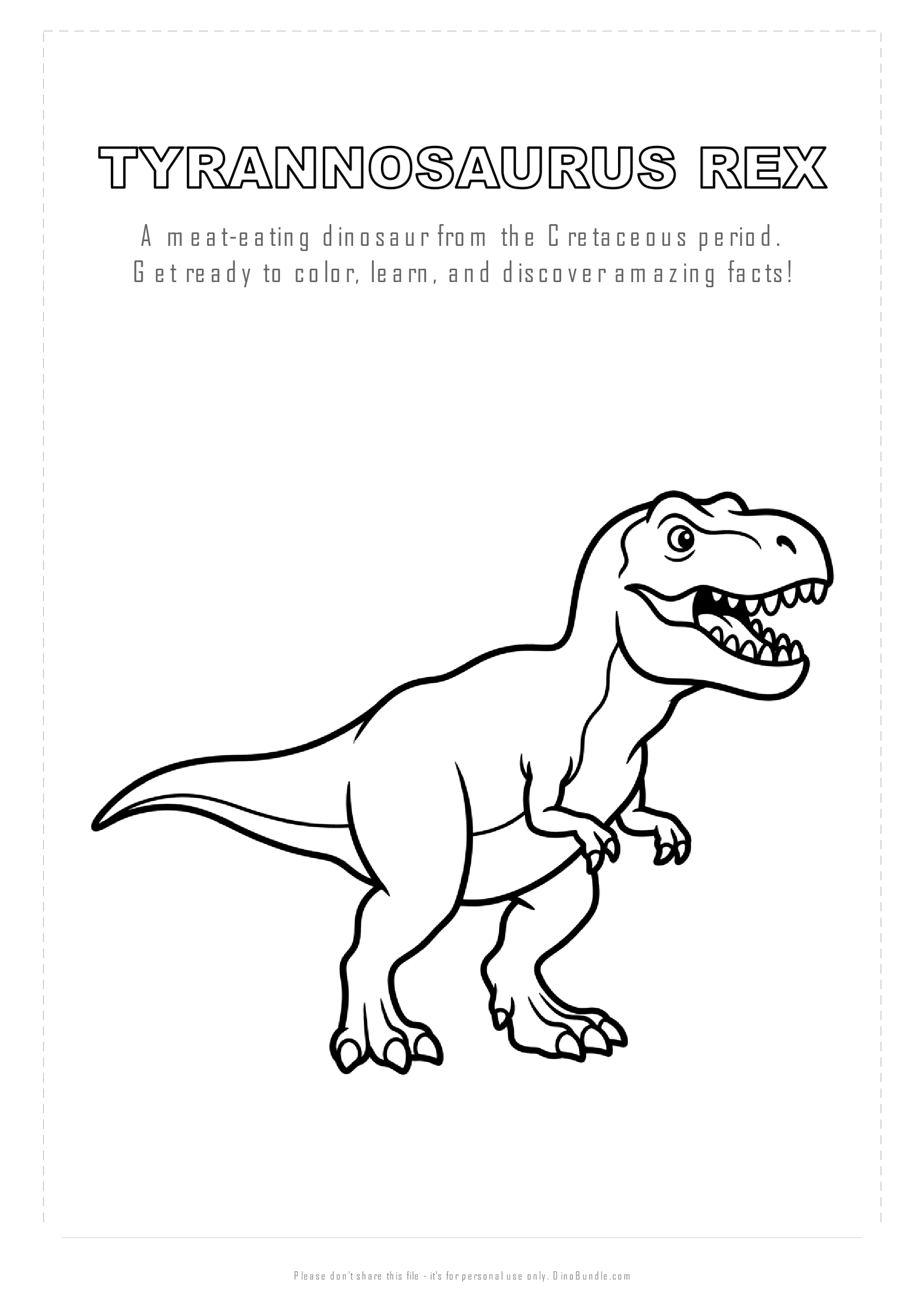
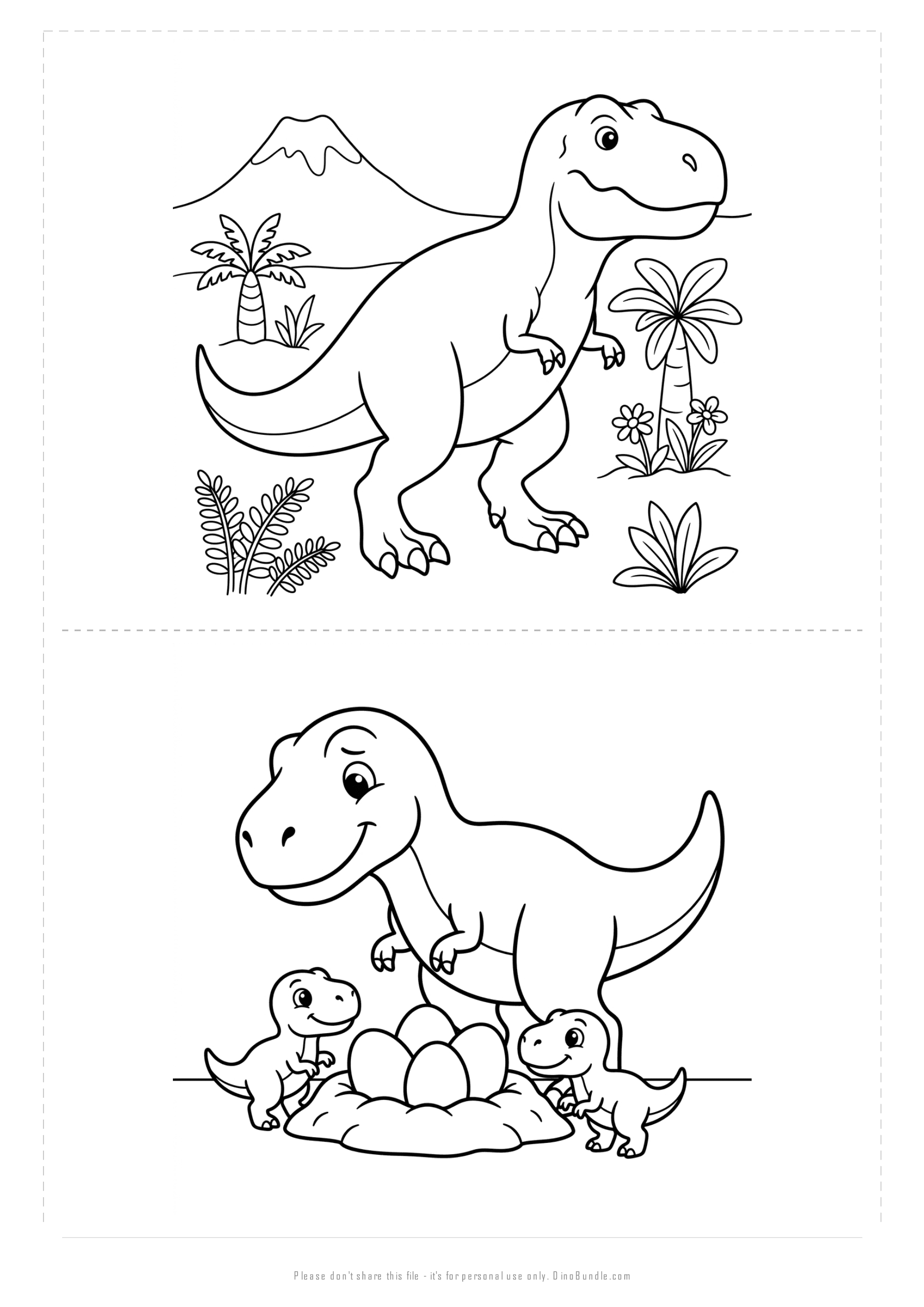
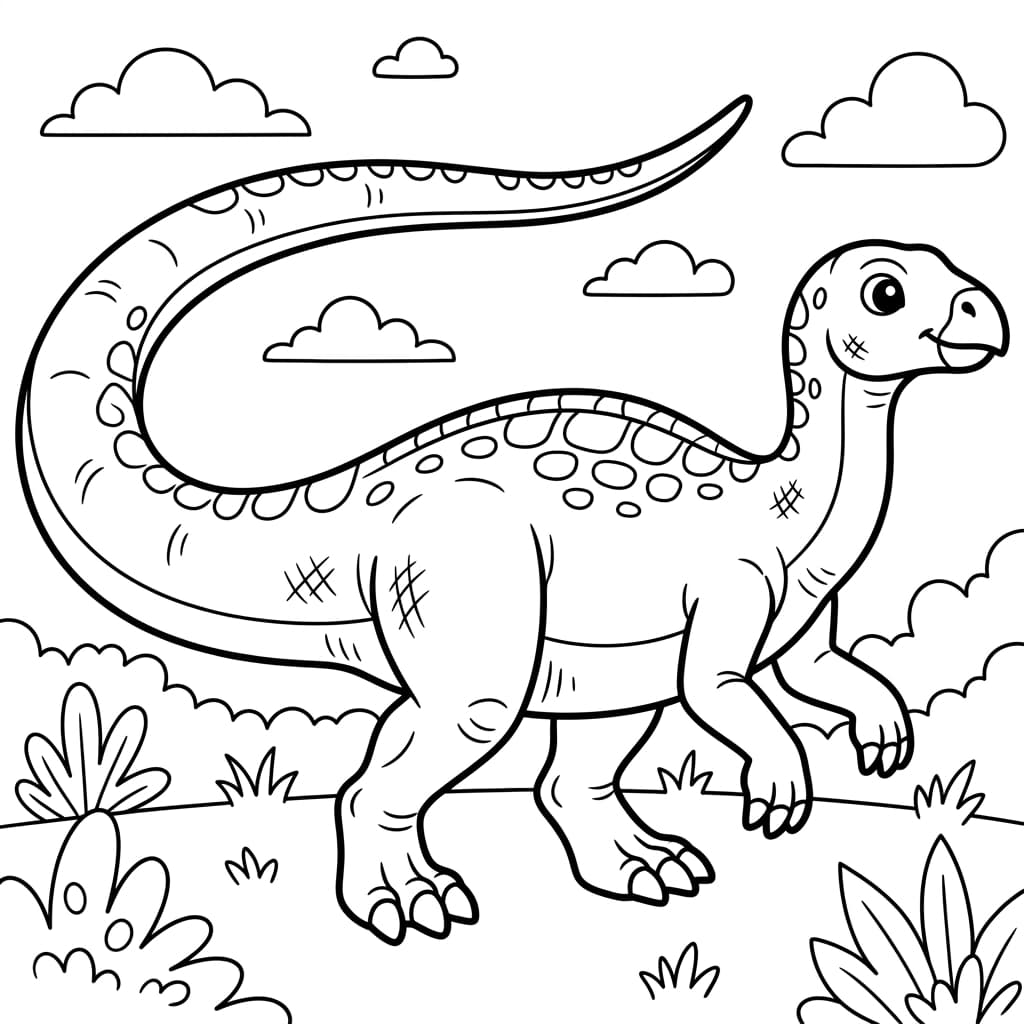
- Page 1 - Meet the Tenontosaurus: A big, beautiful coloring page of this sinew-lizard with its massive, muscular tail. Your child will love bringing this tough plant-eater to life with their favorite colors.
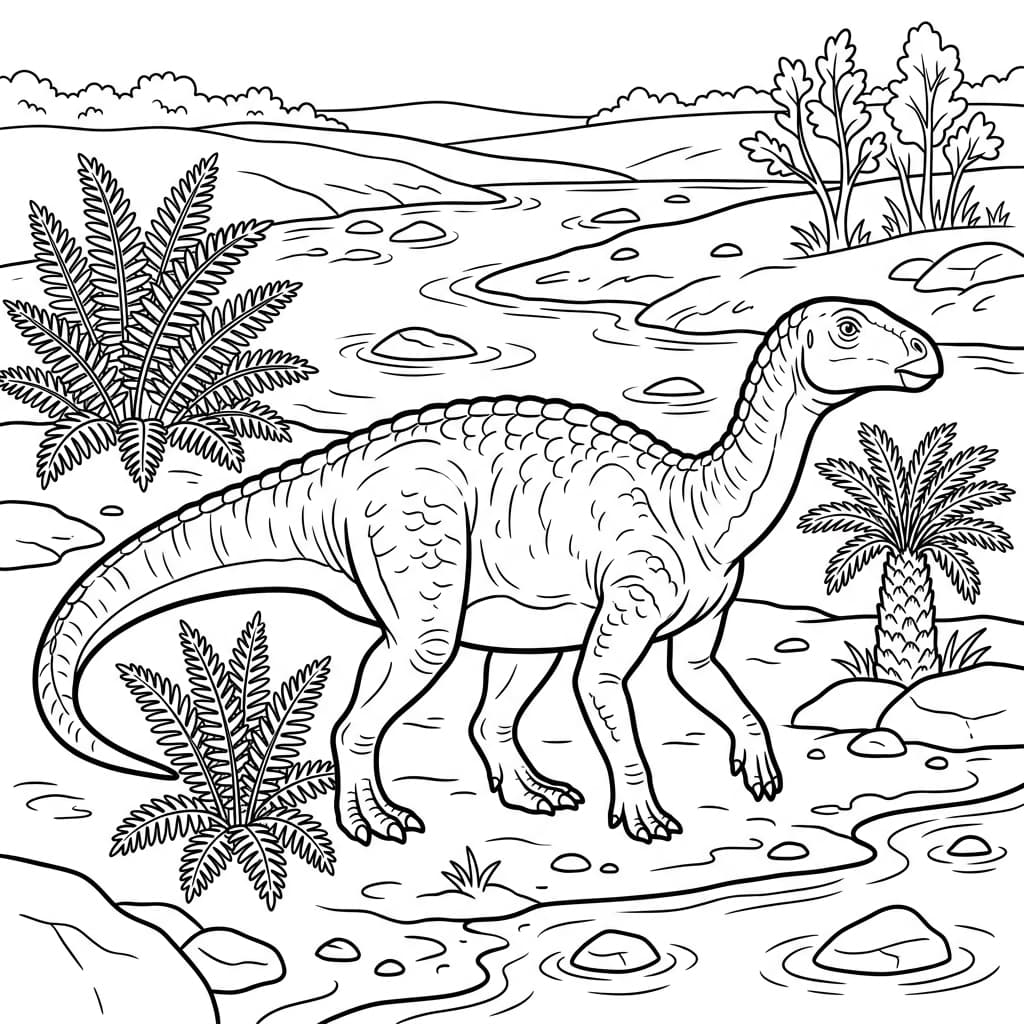
- Page 2 - Tenontosaurus's World: Travel back to Early Cretaceous Montana! This habitat scene shows the sinew lizard browsing among cycads and ferns, always alert for pack hunters.
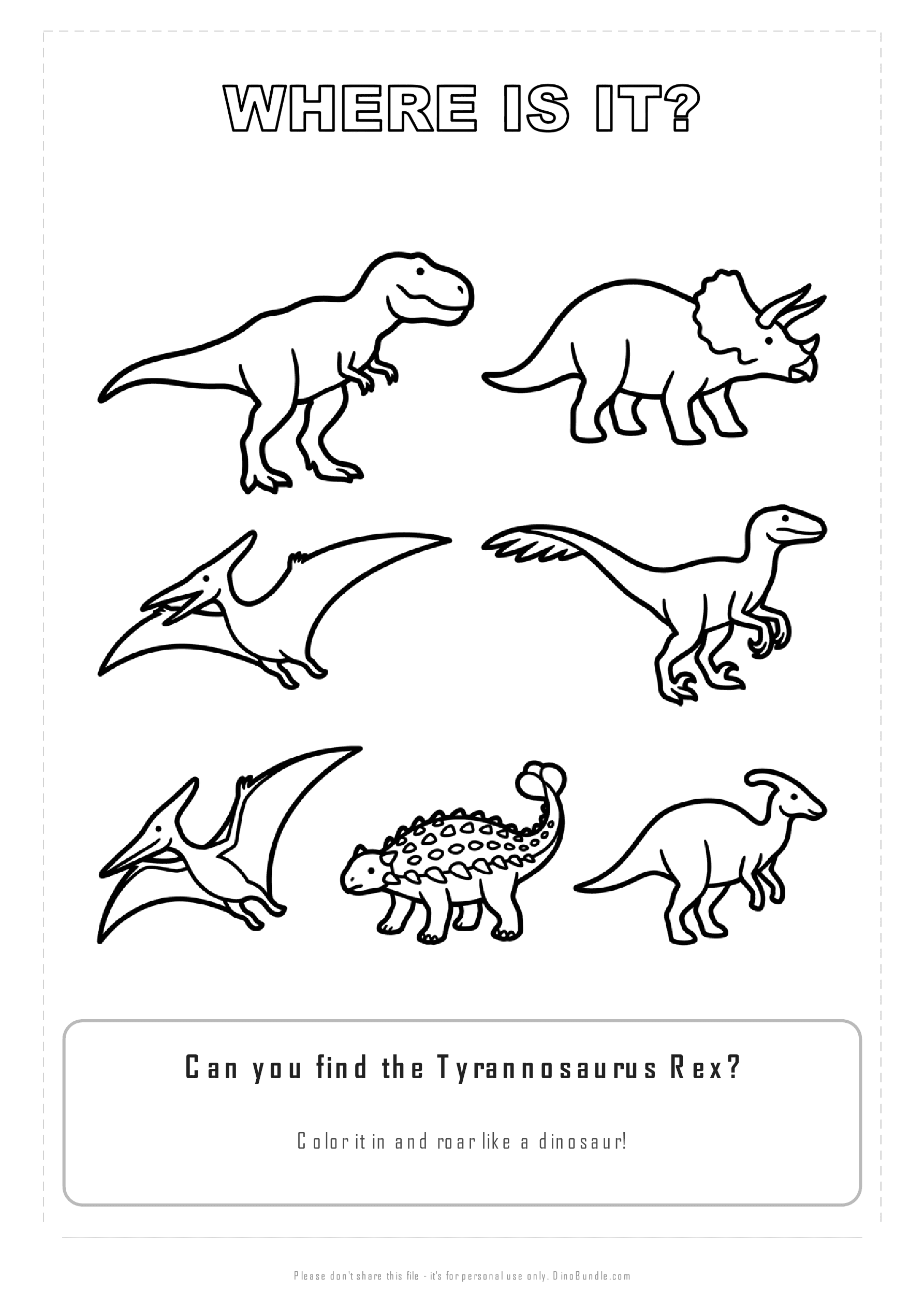
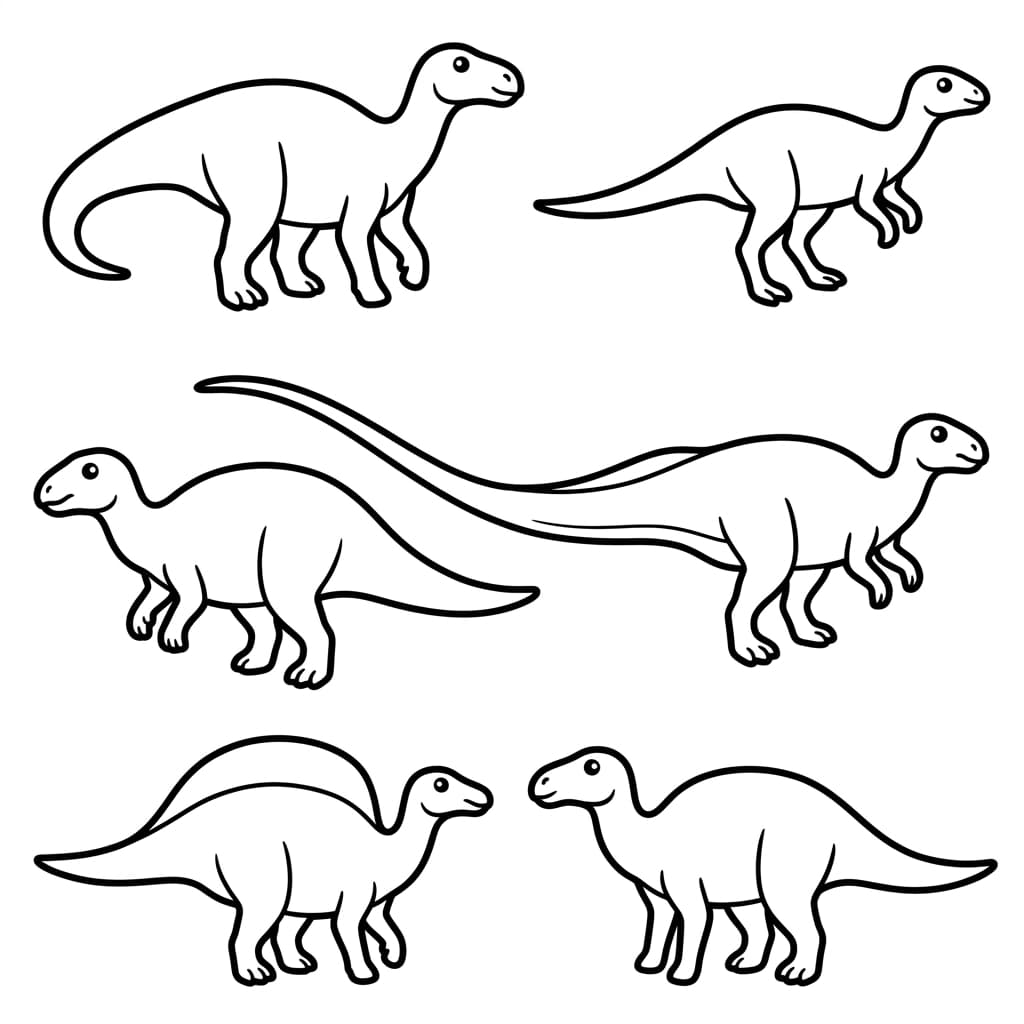
- Page 3 - Find the Tenontosaurus: A fun silhouette challenge! Can your child spot the dinosaur with the extra-long, powerful tail among other ornithopods?
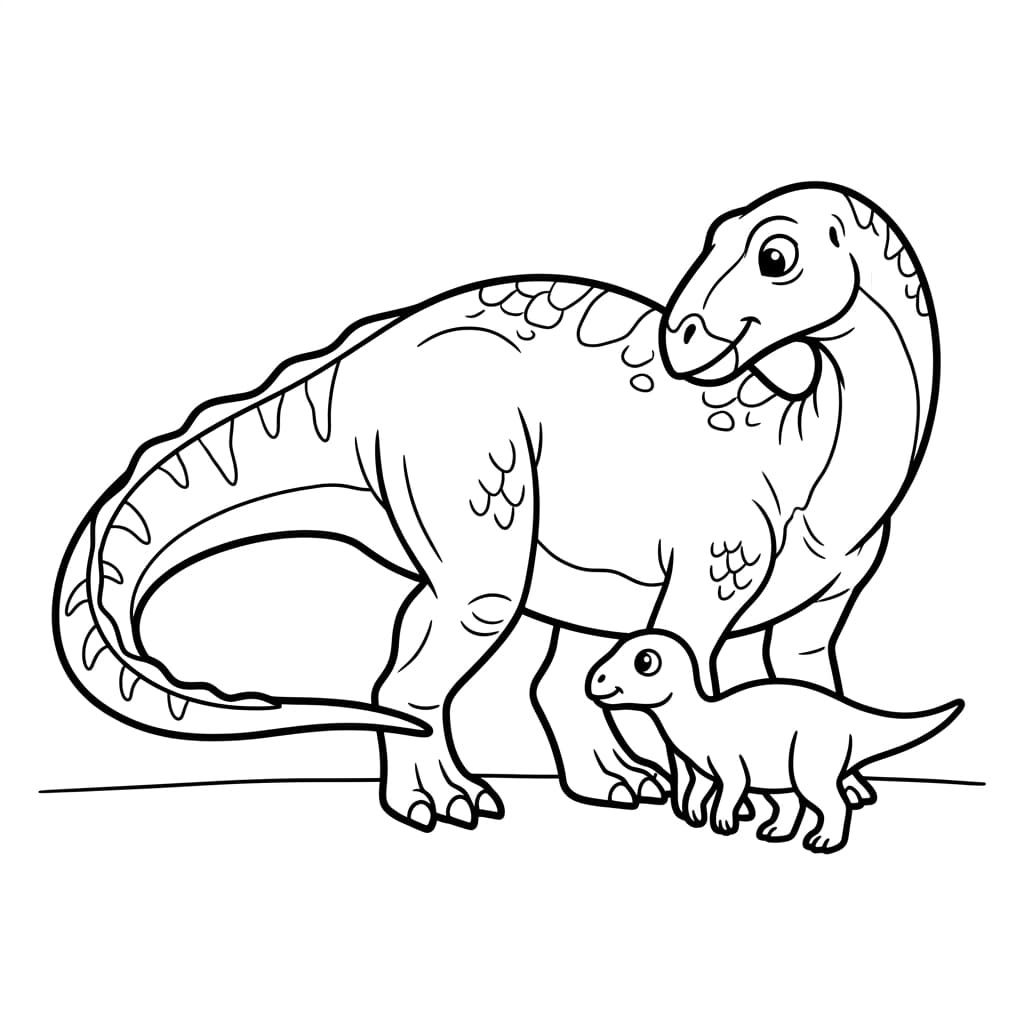
- Page 4 - Dino Family: A warm scene of a Tenontosaurus parent watching over a baby, teaching the little one how to use its growing tail for protection.
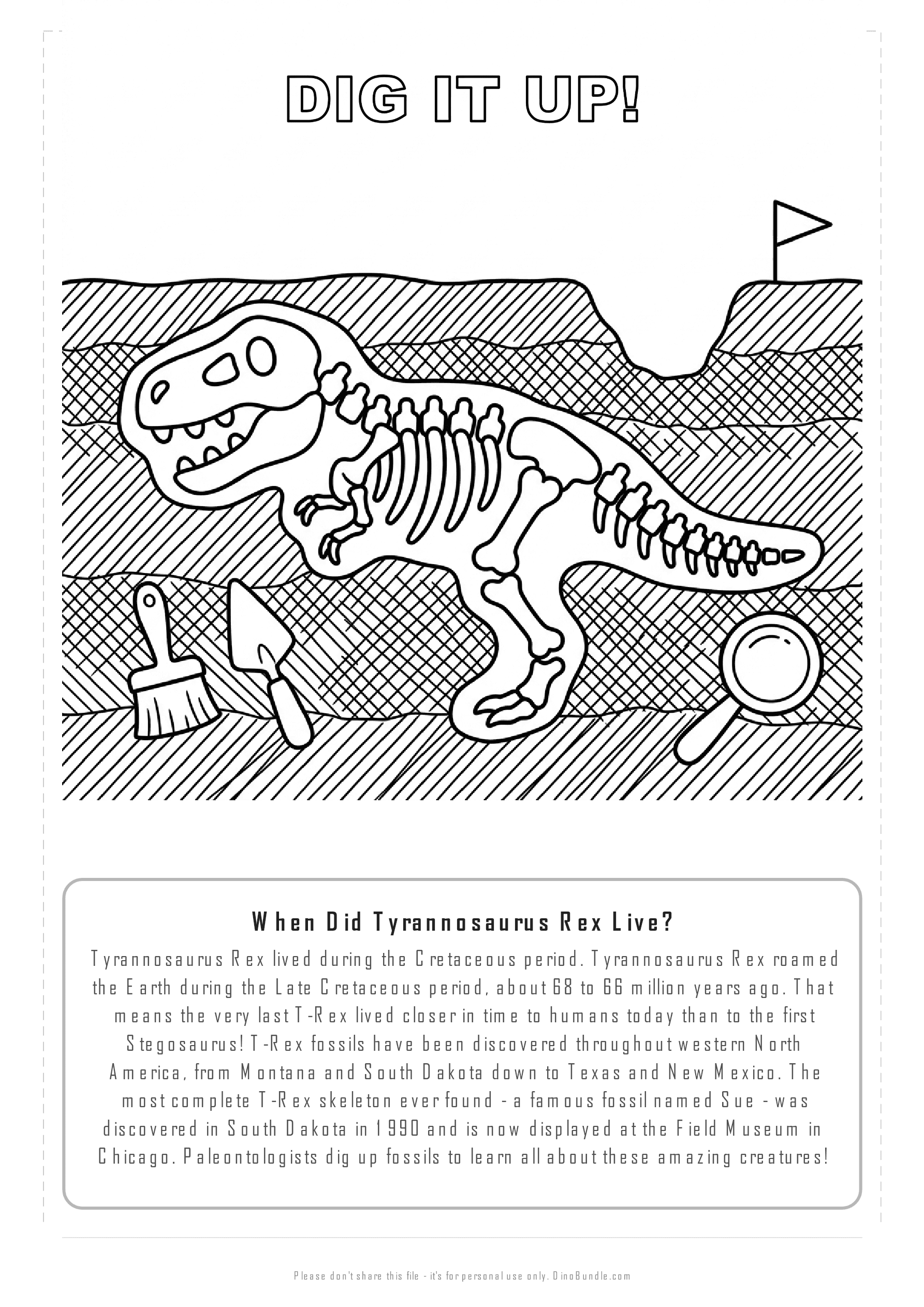
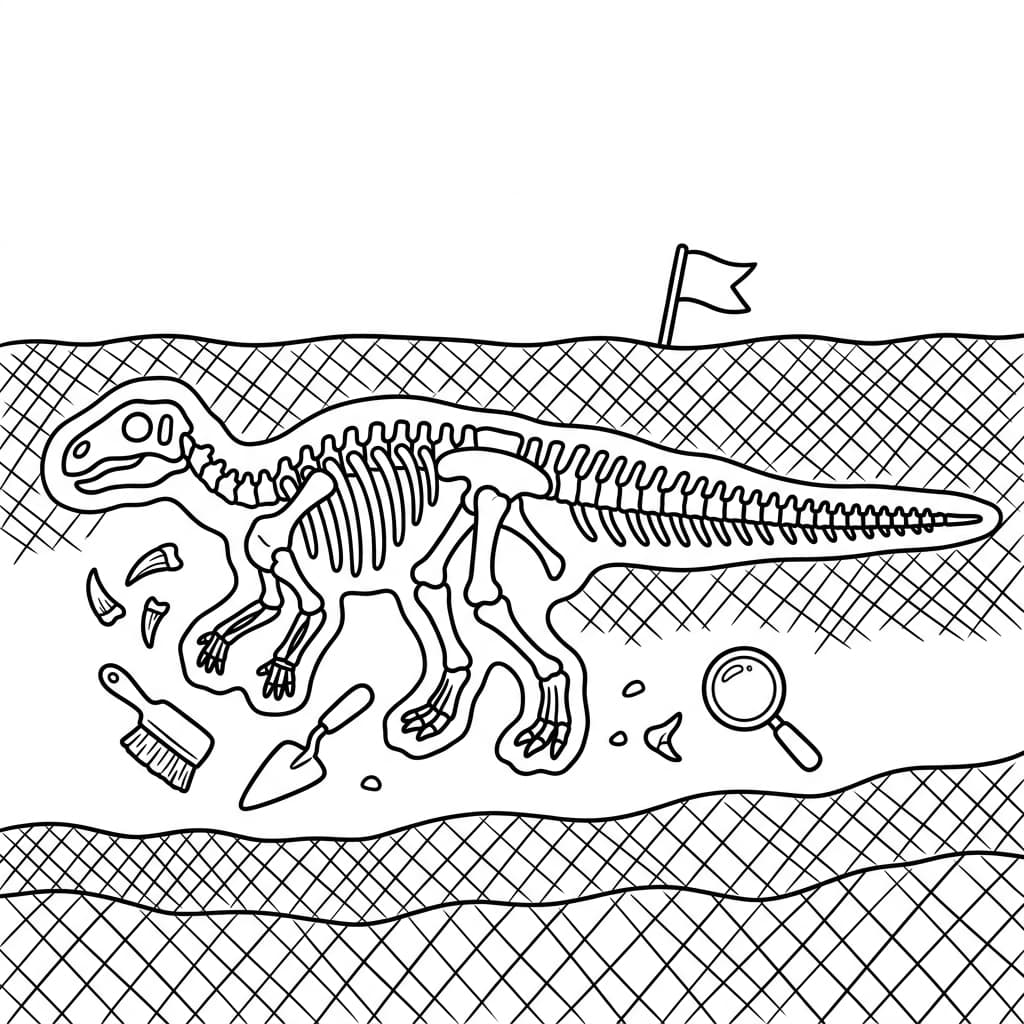
- Page 5 - Dig It Up!: Become a paleontologist! This fossil dig shows a Tenontosaurus skeleton - with its trademark thick sinew tail - being uncovered. Maybe some Deinonychus teeth are nearby too!
How Dinosaur Coloring Pages Build Real STEM Skills
Coloring builds observation, vocabulary ("ornithopod," "tendons," "predator-prey"), and fine motor skills. Tenontosaurus teaches kids about fossil evidence and scientific inference. When paleontologists find Deinonychus teeth with a Tenontosaurus skeleton, they can reconstruct a hunt that happened 110 million years ago. It's a real dinosaur detective story. Kids learn that science isn't just about facts - it's about piecing together clues from the past.
"Research shows that children who engage with science topics through hands-on creative activities - including coloring, drawing, and imaginative play - develop stronger observation skills and are more likely to pursue STEM interests later in life."
5 Ways to Use This Tenontosaurus Printable at Home
- Pair it with a dino documentary - watch a kid-friendly show about raptor hunting behavior, then color Tenontosaurus while talking about how prey animals defend themselves.
- Make a "Dino of the Week" tradition - Tenontosaurus is the tough survivor that fought off the raptors. Kids love a good underdog story!
- Create a dinosaur diorama - after coloring, build a Cretaceous floodplain scene in a shoebox with Tenontosaurus defending itself from a pack of Deinonychus.
- Use it in the classroom - perfect for predator-prey ecosystems, fossil evidence lessons, and quiet-time activities for ages 3-6.
- Take it to a museum - bring the colored pages and look for ornithopod fossils. Many museums display the unique long-tailed skeletons of dinosaurs like Tenontosaurus.
Download Your Free Tenontosaurus Facts and Coloring Pages
Ready to meet the dinosaur with the muscle tail? These tenontosaurus facts and coloring pages for kids are completely free - enter your email for the full 5-page PDF. No spam, just printable dinosaur fun delivered to your inbox. Want all 100+ dinosaurs? The Ultimate Dino Bundle has every pack - coloring pages, facts, and activities for one small price. Your little paleontologist is going to love the plant-eater that stood its ground against raptors!