Free Styracosaurus Facts & Coloring Pages for Kids
Why Kids Love Learning About Styracosaurus
If you're searching for styracosaurus coloring pages and facts for kids, you've found the dinosaur with the most spectacular headgear of all time! Styracosaurus looks like it's wearing a crown of spikes - its frill is ringed with long, pointed horns radiating outward like a prehistoric sunburst, and a huge single horn juts from its nose like a rhinoceros. For a young child, Styracosaurus is Triceratops's cooler, spikier cousin - all the fun of a horned dinosaur but with an even more dramatic look. Its name (say it: sty-RACK-oh-SORE-us) means "spiked lizard," and those spikes make it one of the most exciting dinosaurs to draw and color.
Dinosaurs are the gateway to science. Every coloring page and every fact is a step toward STEM literacy. Styracosaurus teaches that evolution experiments - different ceratopsians evolved wildly different horn and frill arrangements!
Amazing Styracosaurus Facts Every Kid Should Know
This spiked wonder is one of the most visually stunning dinosaurs ever. Here are five facts for your little dino fan.
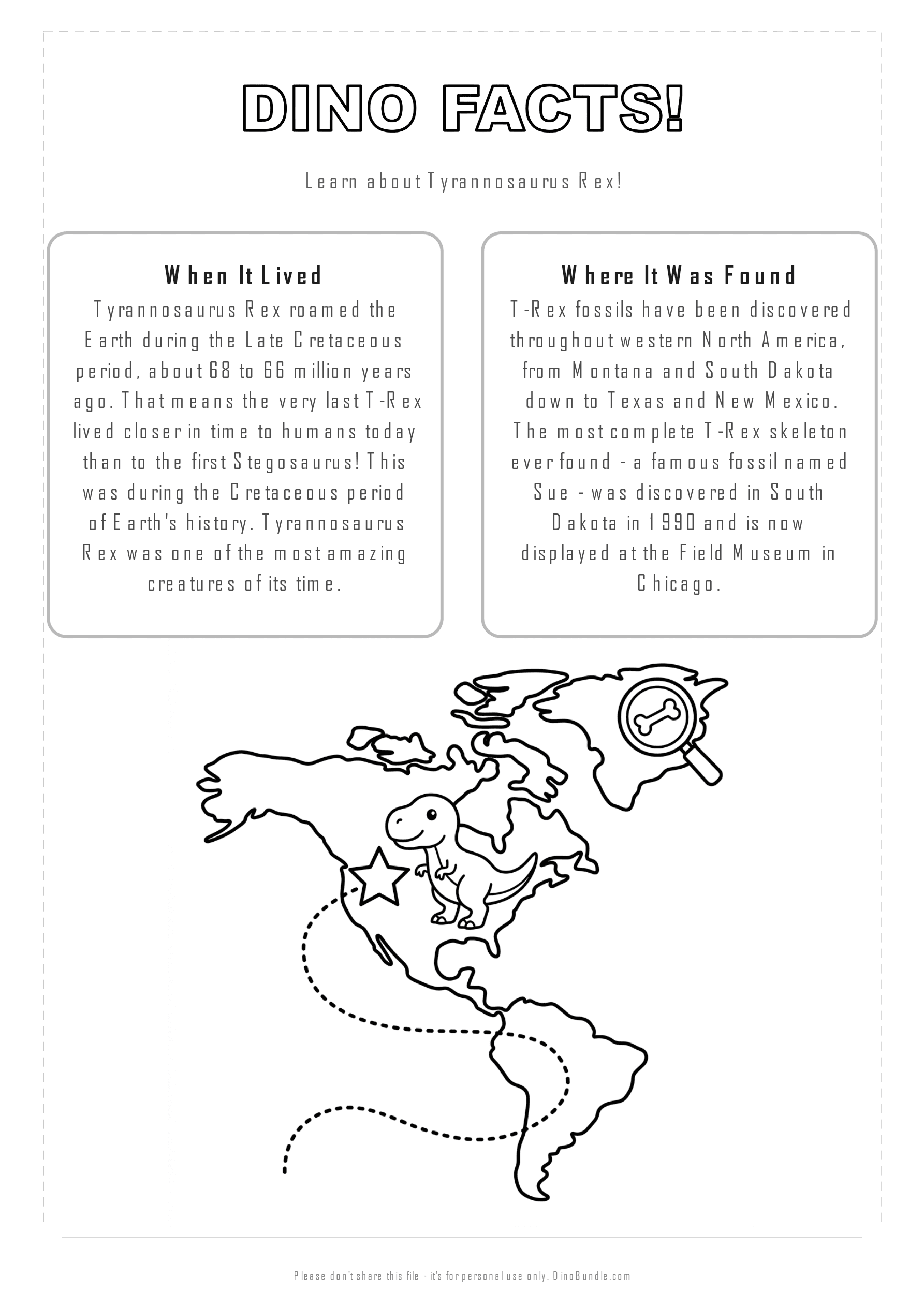
- Fact 1 - When It Lived: Styracosaurus lived during the Late Cretaceous period, about 75 to 74 million years ago. It roamed the ancient floodplains of what is now Alberta, Canada, sharing its world with other horned dinosaurs and giant predators.
- Fact 2 - What It Ate: Styracosaurus was a herbivore that ate low-growing plants like ferns, cycads, and palms. Its parrot-like beak was perfect for snipping tough vegetation, and its rows of cheek teeth could grind up even the toughest plants.
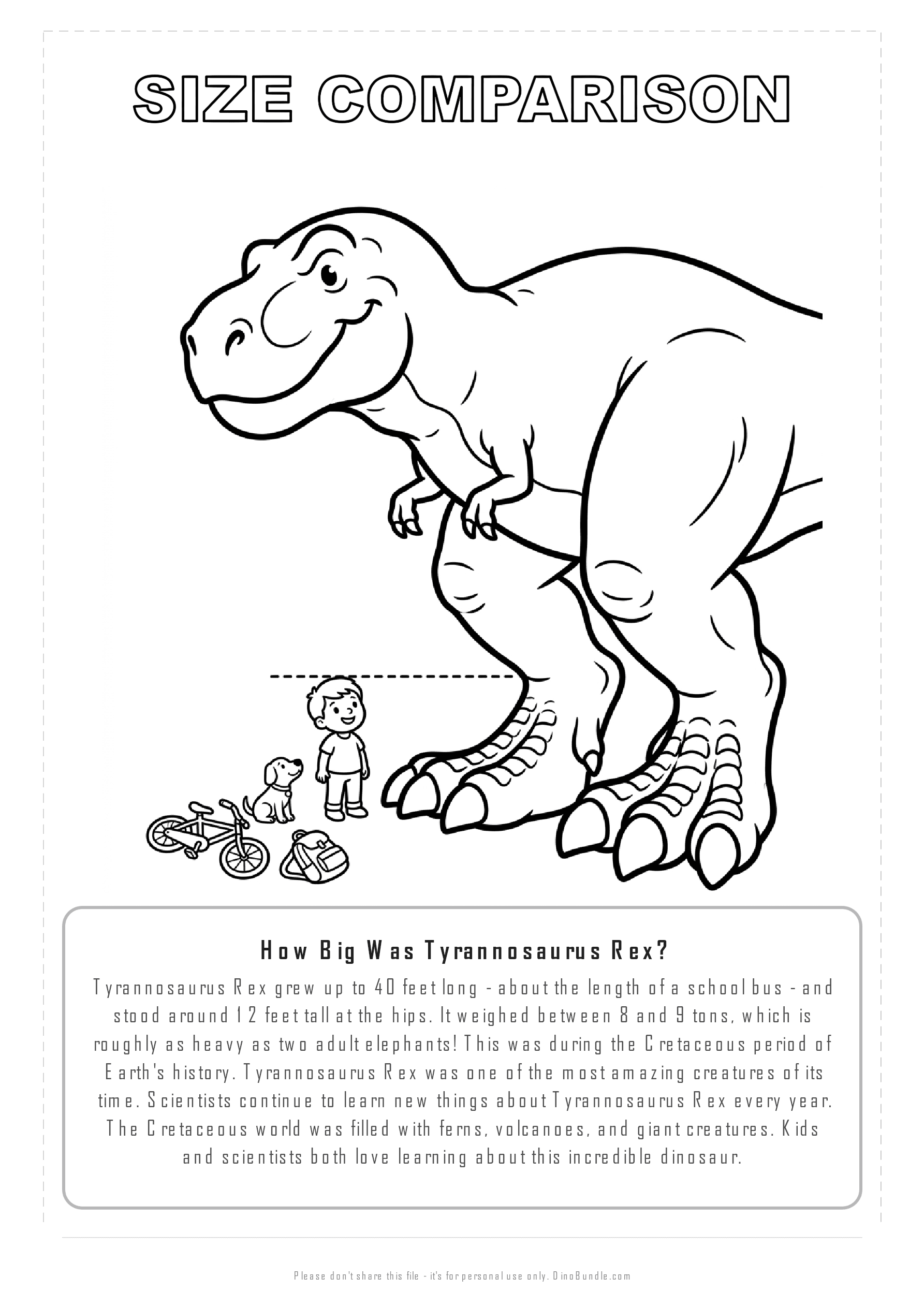
- Fact 3 - How Big It Was: Styracosaurus grew up to 18 feet long and stood about 6 feet tall at the shoulder. It weighed around 3 tons - roughly the weight of a small elephant. Its skull, with the frill and horns, was about 6 feet long - almost as long as a bathtub!
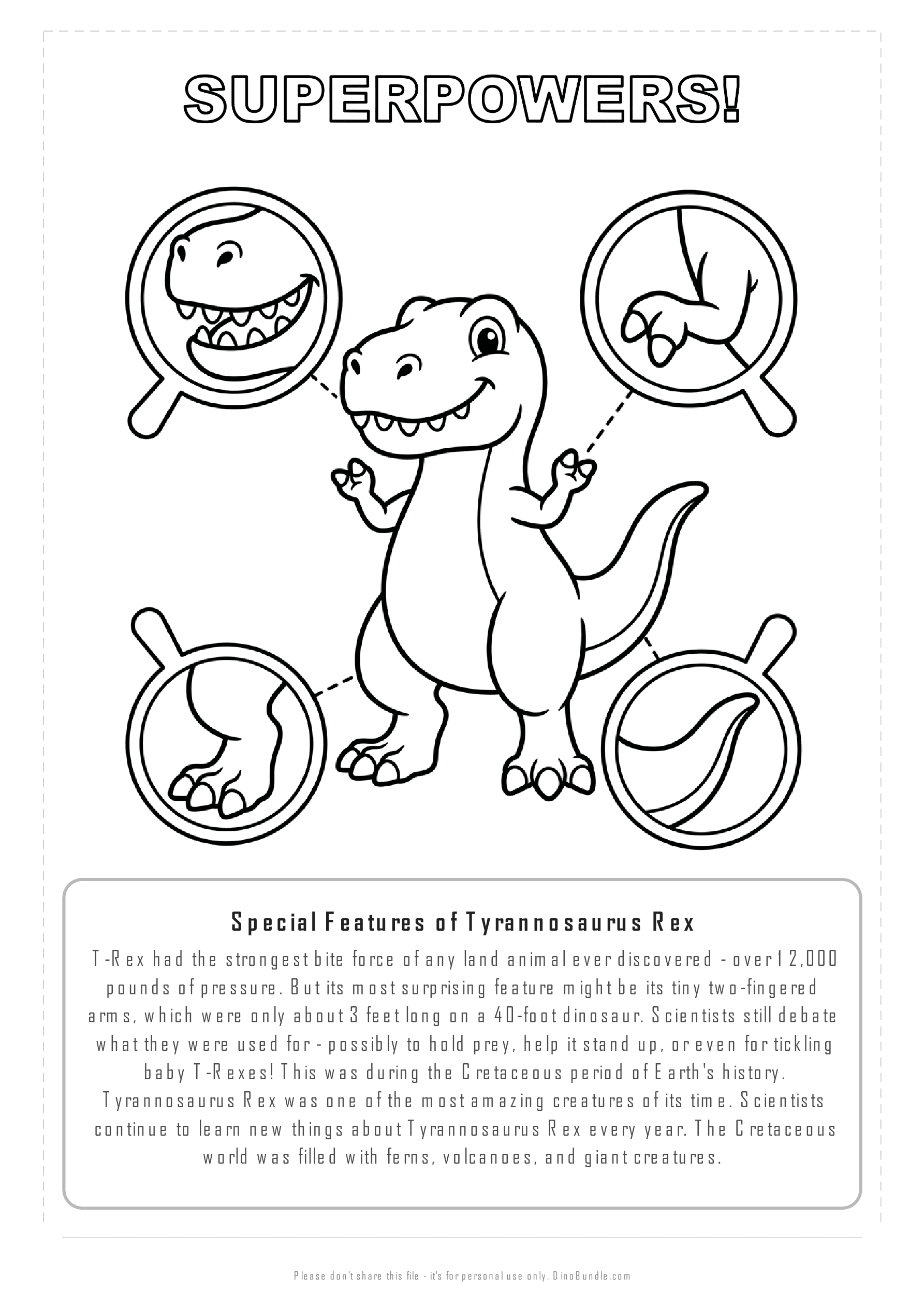
- Fact 4 - Its Superpower: Those frill spikes weren't just for defense. The dramatic arrangement - four to six long spikes radiating from the top of the frill - may have been used for display, like a peacock's tail. Scientists think males may have had larger, more impressive spikes for attracting mates or intimidating rivals. The large nose horn could have been used against predators or in shoving matches with other Styracosaurus.
- Fact 5 - Where It Was Found: Styracosaurus was discovered in 1913 in Alberta, Canada, by paleontologist Lawrence Lambe. The original specimen was a nearly complete skull with that incredible spiked frill - and it was so strange-looking that it confirmed ceratopsians were one of the most diverse and creative groups of dinosaurs ever.
What's Inside This Free Styracosaurus Printable Pack
This five-page activity pack makes learning about Styracosaurus hands-on and spike-tacular. Each page takes your child on a different prehistoric adventure.
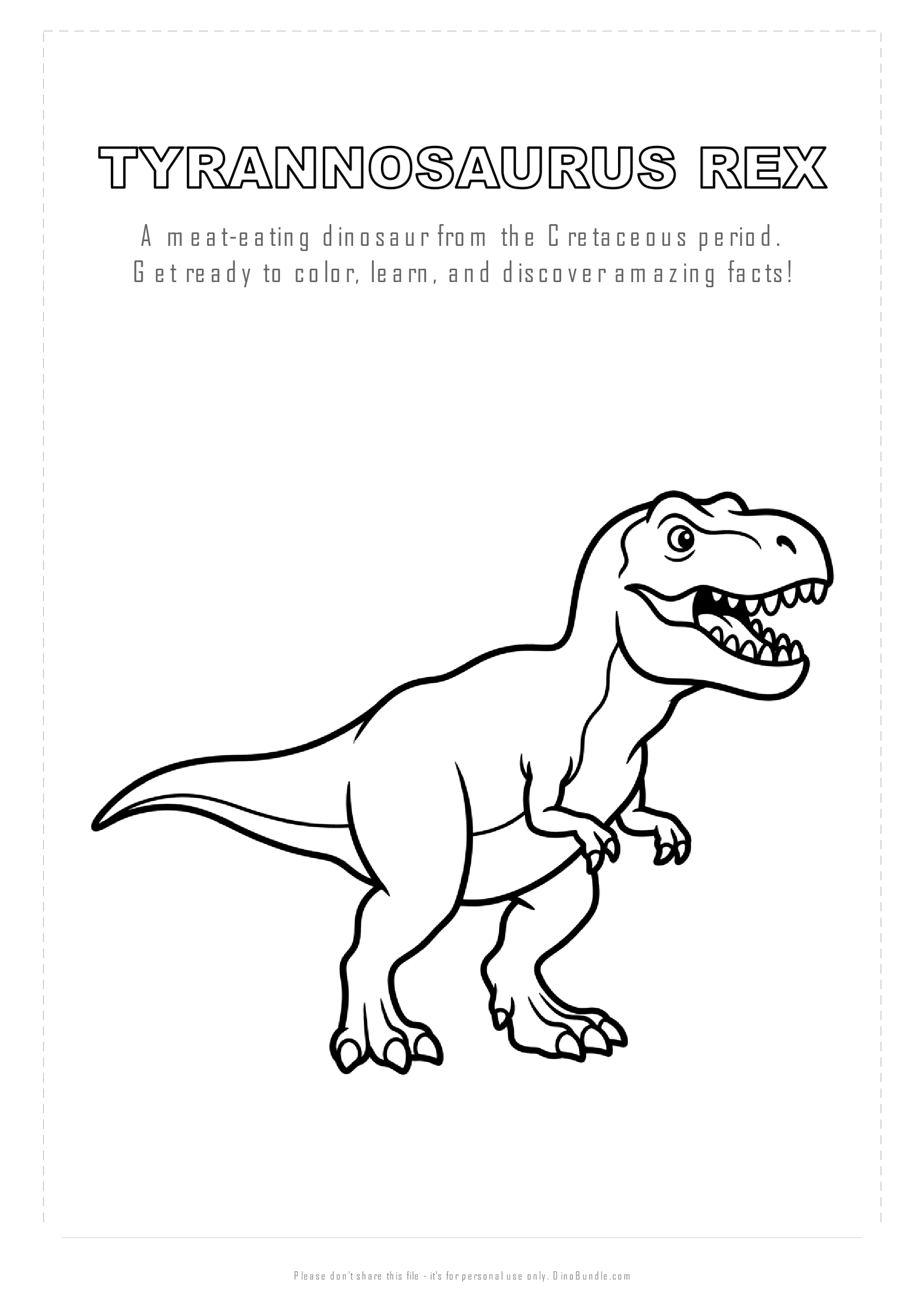
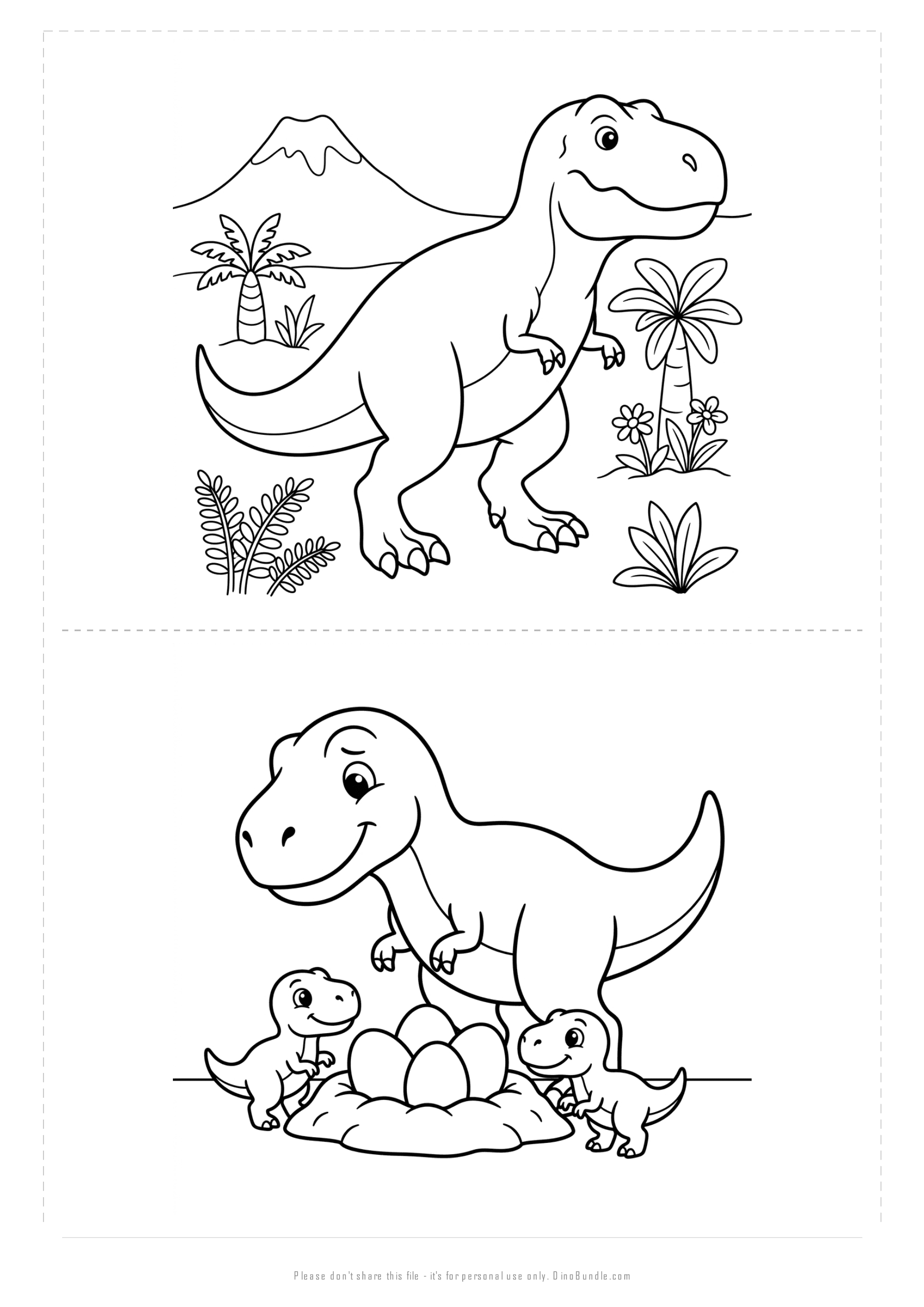
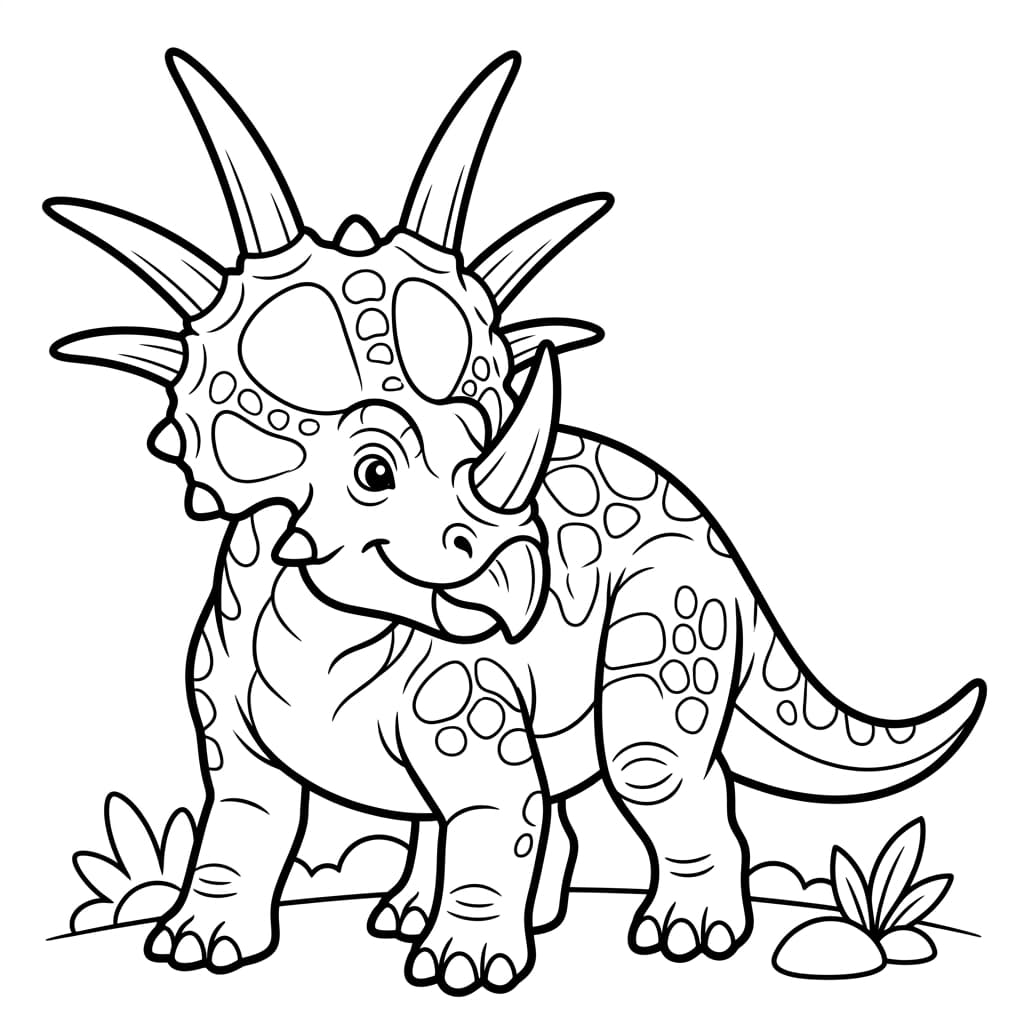
- Page 1 - Meet the Styracosaurus: A big, beautiful coloring page of this spiked dinosaur in all its crowned glory. Your child will love coloring every spike on that magnificent frill.
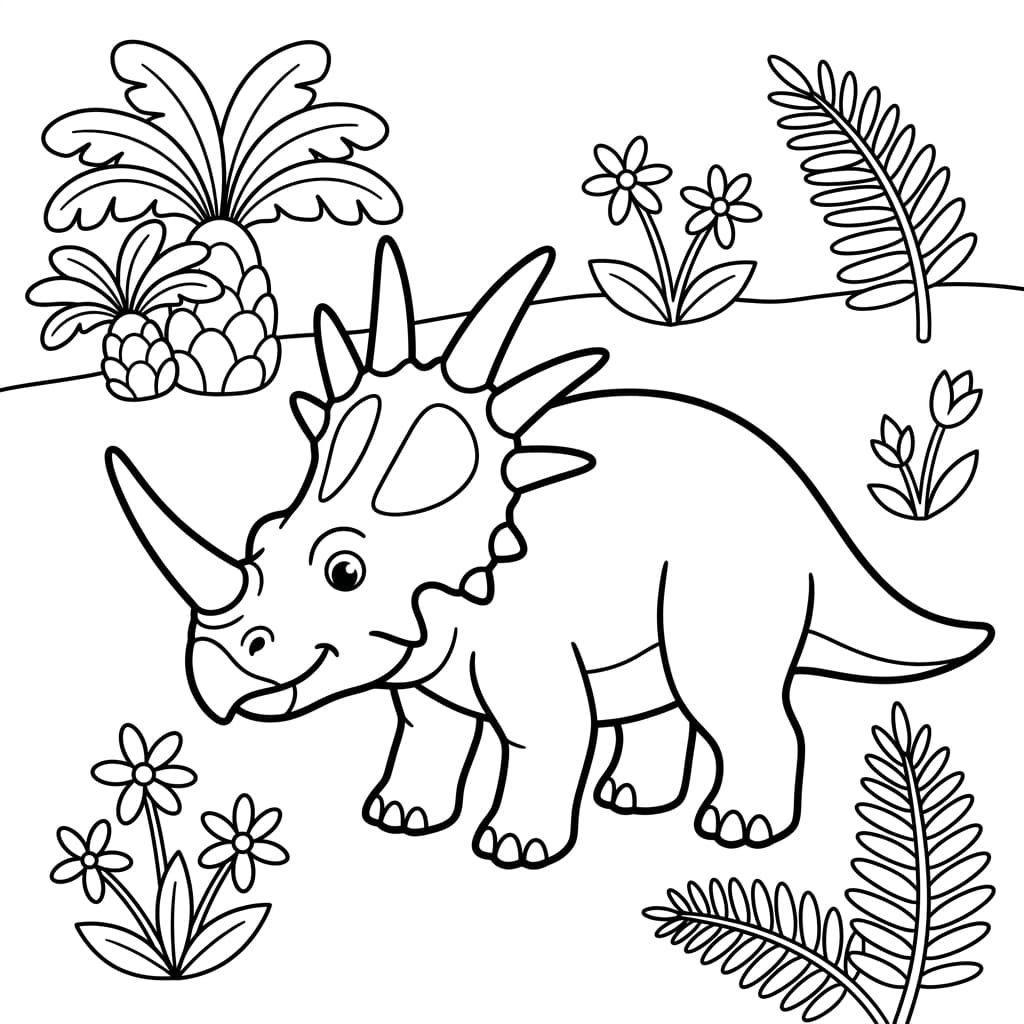
- Page 2 - Styracosaurus's World: Travel back to Cretaceous Canada! This habitat scene shows Styracosaurus in its prehistoric floodplain home.
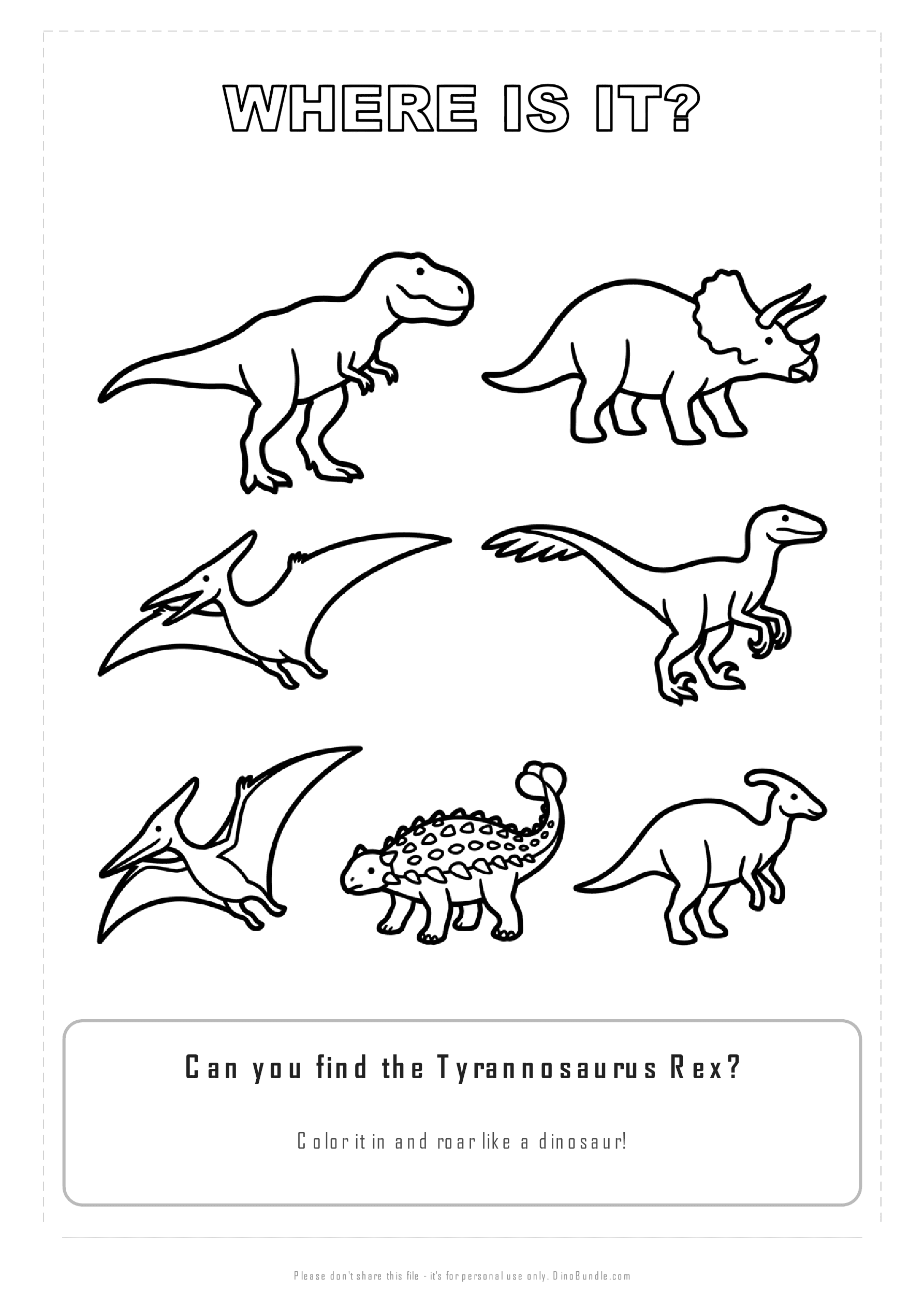
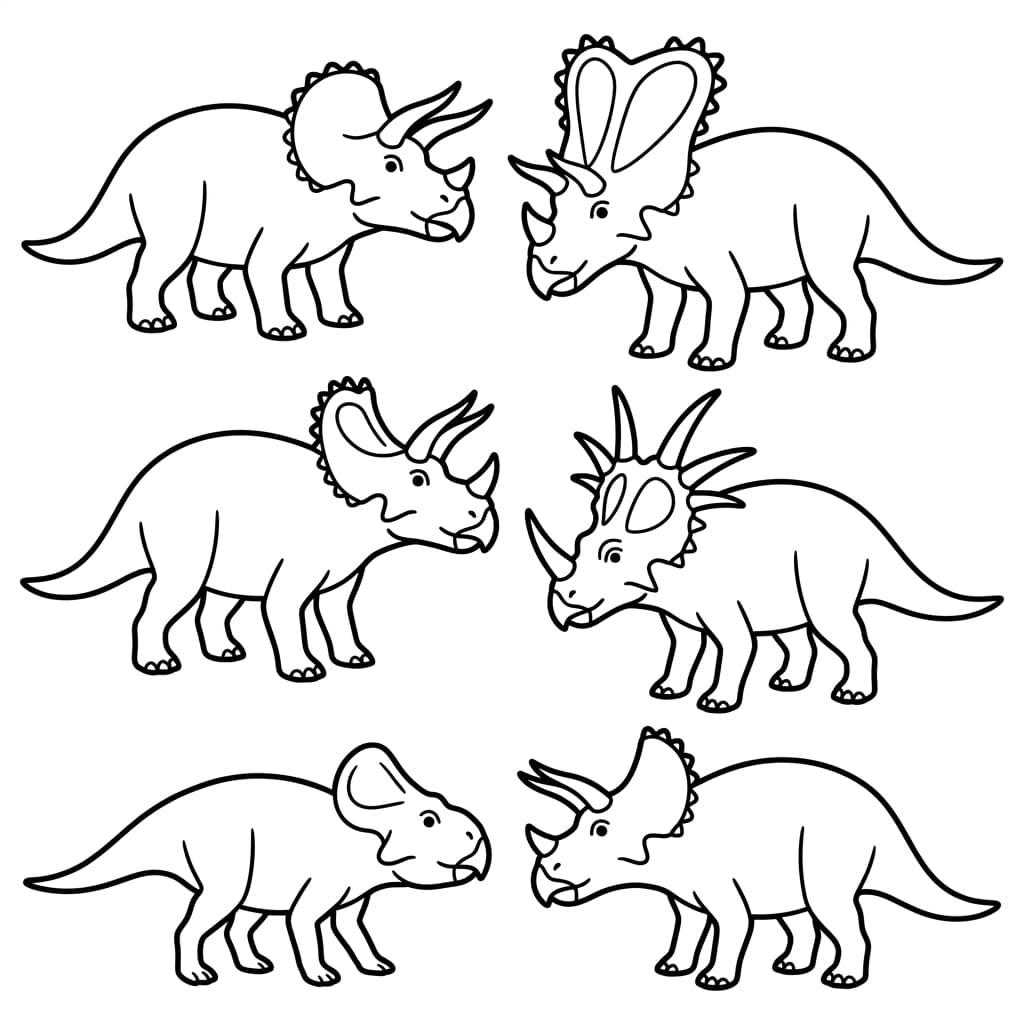
- Page 3 - Find the Styracosaurus: A fun silhouette challenge! Can your child spot Styracosaurus among other ceratopsians? That spiky frill crown is unmistakable!
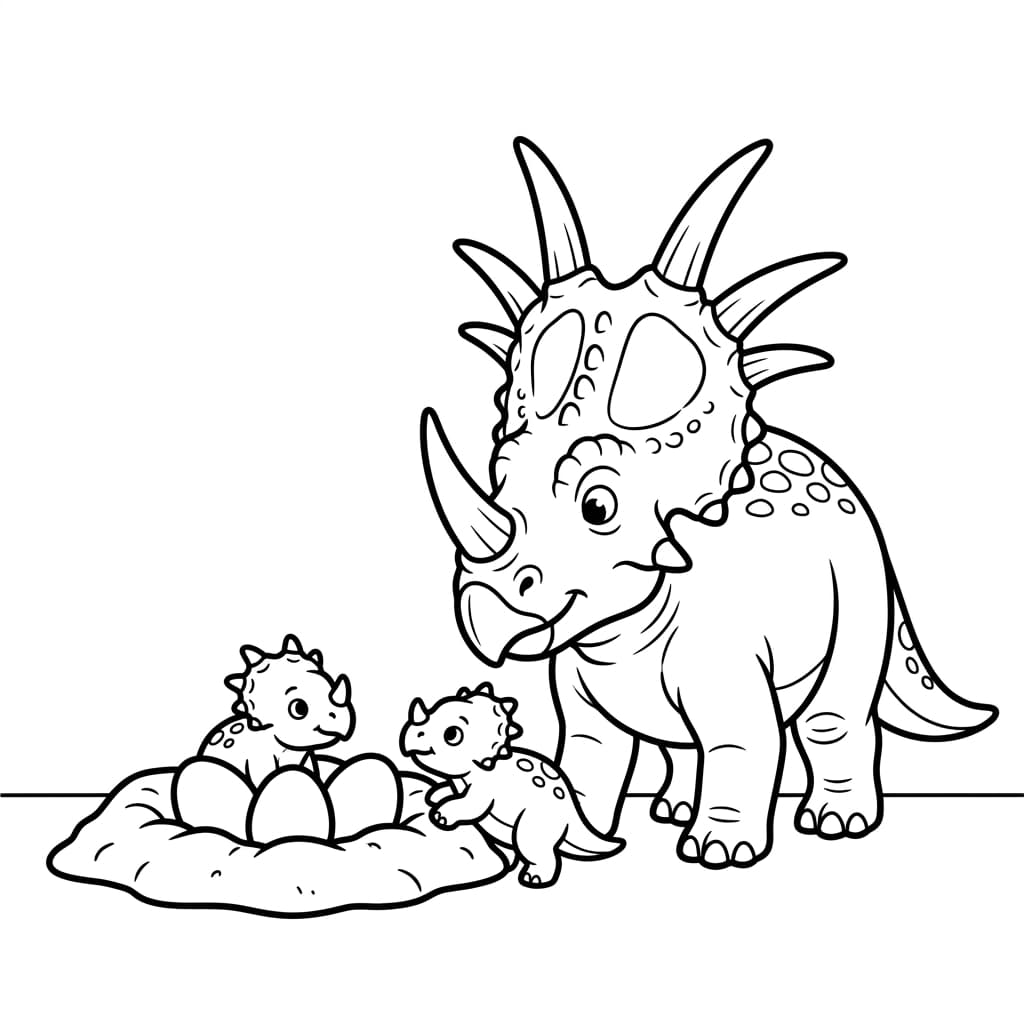
- Page 4 - Dino Family: A heartwarming scene of a Styracosaurus parent with eggs and baby hatchlings.
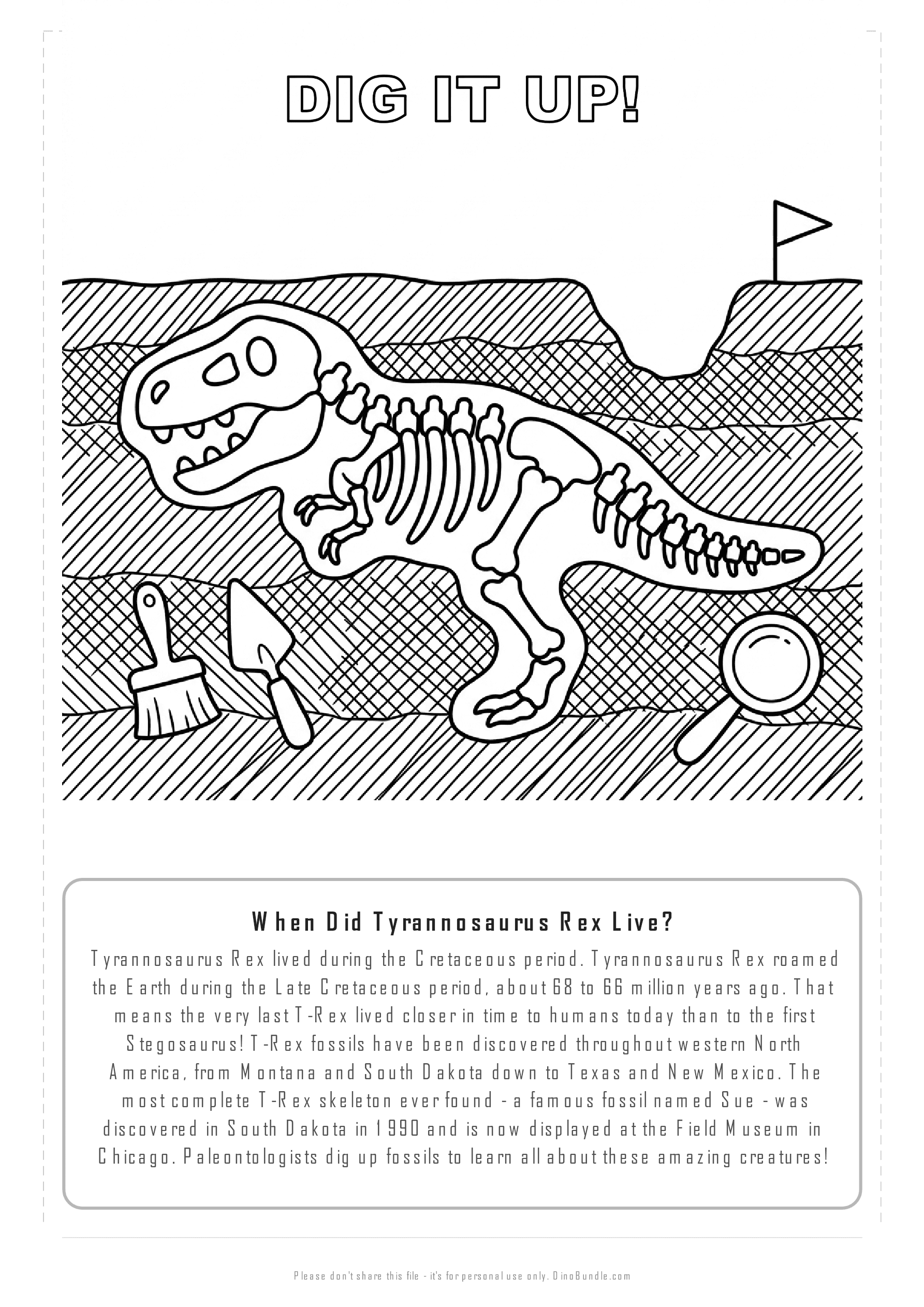
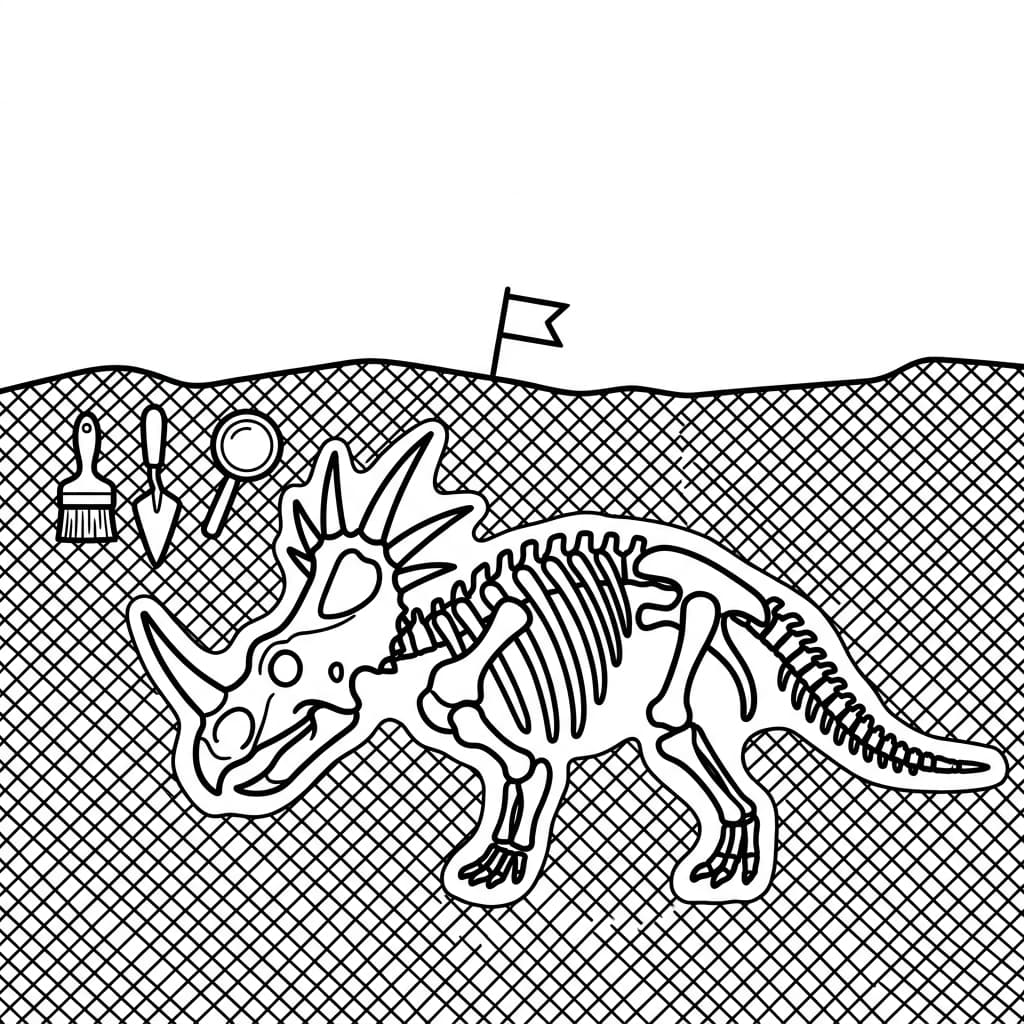
- Page 5 - Dig It Up!: Become a paleontologist! This fossil dig shows the Styracosaurus skeleton with that incredible spiked frill skull.
How Dinosaur Coloring Pages Build Real STEM Skills
Coloring develops observation skills. Vocabulary grows: "ceratopsian," "frill," "Cretaceous," "display" become everyday words. Fine motor control strengthens. Styracosaurus also teaches diversity - different ceratopsians evolved wildly different horn arrangements. Some had three horns (Triceratops), some had one huge horn (Styracosaurus, Centrosaurus), and some had none at all (Protoceratops). Nature experiments!
"Research shows that children who engage with science topics through hands-on creative activities develop stronger observation skills and are more likely to pursue STEM interests later in life."
5 Ways to Use This Styracosaurus Printable at Home
Five practical activities:
- Pair it with a dino documentary - learn about ceratopsians, then color while counting the spikes.
- Make a "Dino of the Week" tradition - Styracosaurus is the perfect spiked wonder!
- Create a dinosaur diorama - build a Cretaceous Canadian scene in a shoebox.
- Use it in the classroom - perfect for dinosaur units (ages 3-6).
- Take it to a museum - look for ceratopsian skulls and compare their horn arrangements!
Download Your Free Styracosaurus Facts and Coloring Pages
Ready to meet the crowned dinosaur? These styracosaurus coloring pages and facts for kids are completely free - enter your email for instant access to the full 5-page PDF. No spam. Part of the Ultimate Dino Bundle - 100+ dinosaurs for one small price. Your little paleontologist is going to love the dinosaur that wore a crown of spikes!